Key Takeaways
- The location, severity, duration, and associated symptoms can help healthcare providers determine the underlying cause.
- Persistent, severe, or recurrent abdominal pain should not be ignored, especially if accompanied by fever, vomiting, unexplained weight loss, or blood in the stool.
- Abdominal pain is a common symptom that may result from various digestive disorders, ranging from mild conditions to serious diseases requiring prompt medical attention.
- Early diagnosis and appropriate treatment can help prevent complications and improve long-term digestive health.
Abdominal pain is one of the most common reasons people seek medical care. It can range from mild discomfort that resolves on its own to severe pain caused by conditions requiring urgent treatment. Because the digestive system includes several organs, identifying the exact source of the pain often requires careful evaluation [1].
Yes, abdominal pain is commonly linked to digestive disorders such as gastroesophageal reflux disease (GERD), gastritis, peptic ulcers, irritable bowel syndrome (IBS), inflammatory bowel disease (IBD), gallstones, diverticular disease, and appendicitis. The duration, location, and accompanying symptoms help determine the underlying cause and whether immediate medical attention is needed.
Understanding the possible digestive conditions associated with abdominal discomfort can help individuals recognize warning signs and seek timely medical care when appropriate.
Why Digestive Disorders Cause Abdominal Pain
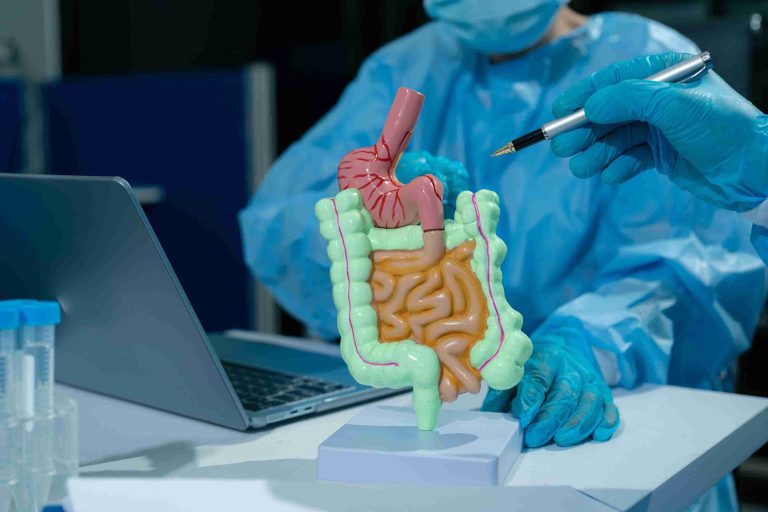
The digestive tract extends from the mouth to the rectum and includes several organs responsible for breaking down food, absorbing nutrients, and eliminating waste. Inflammation, infection, obstruction, excessive stomach acid, or abnormal bowel function can all trigger abdominal ache.
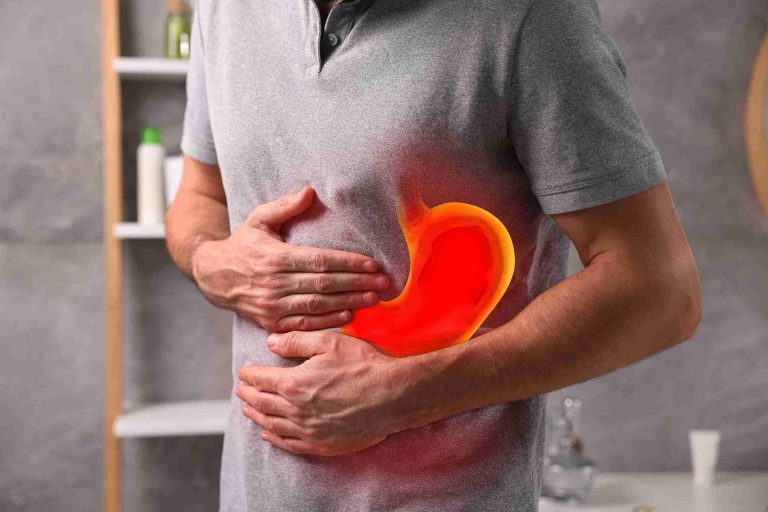
The discomfort may be localized to one area or spread across the abdomen. Some conditions produce sharp, sudden pain, while others cause cramping, bloating, or a dull ache that develops gradually. The nature of the symptoms often provides important clues for diagnosis.
Table: Common Digestive Disorders and Their Typical Symptoms
| Digestive Disorder | Common Symptoms | When to Seek Medical Care |
| GERD | Heartburn, acid regurgitation, chest discomfort | Persistent symptoms despite treatment |
| Gastritis | Upper abdominal discomfort, nausea | Vomiting blood or black stools |
| Peptic ulcer | Burning stomach pain, bloating | Severe pain or gastrointestinal bleeding |
| IBS | Cramping, bloating, altered bowel habits | Symptoms affecting daily life |
| IBD | Diarrhea, fatigue, rectal bleeding | Persistent symptoms or weight loss |
| Gallstones | Right upper abdominal pain after meals | Fever or jaundice |
| Diverticular disease | Lower abdominal pain, fever | Severe pain or heavy bleeding |
| Appendicitis | Pain moving to lower right abdomen | Immediate emergency evaluation |
1. Gastroesophageal Reflux Disease (GERD)
GERD occurs when stomach acid repeatedly flows back into the esophagus, irritating its lining. Although heartburn is the hallmark symptom, some individuals also experience abdominal discomfort, particularly in the upper abdomen [2]. Other symptoms may include:
- Acid reflux
- Sour taste in the mouth
- Difficulty swallowing
- Chronic cough
- Hoarseness
Lifestyle modifications, dietary changes, and acid-suppressing medications often help control symptoms.
2. Gastritis
Gastritis refers to inflammation of the stomach lining. It may develop suddenly or gradually and can be caused by Helicobacter pylori infection, long-term use of nonsteroidal anti-inflammatory drugs (NSAIDs), excessive alcohol intake, or autoimmune conditions [3]. Symptoms commonly include:
- Upper abdominal pain
- Nausea
- Vomiting
- Loss of appetite
- Feeling full after eating small meals
Most cases improve with treatment directed at the underlying cause and measures to reduce stomach irritation.
3. Peptic Ulcers
Peptic ulcers are sores that develop in the stomach or the first part of the small intestine. The pain is often described as burning or gnawing and may worsen when the stomach is empty. Individuals may also experience:
- Bloating
- Nausea
- Indigestion
- Early satiety
- Gastrointestinal bleeding
Untreated ulcers can lead to serious complications, including perforation or significant bleeding, making early diagnosis important.
4. Irritable Bowel Syndrome (IBS)
IBS is a functional gastrointestinal disorder that affects bowel function without causing structural damage to the digestive tract. It is one of the most common causes of chronic abdominal pain [4]. Symptoms often include:
- Cramping
- Bloating
- Constipation
- Diarrhea
- Alternating bowel habits
Stress, certain foods, and hormonal changes may contribute to symptom flare-ups. Although IBS can significantly affect quality of life, it does not increase the risk of colorectal cancer.
5. Inflammatory Bowel Disease (IBD)
IBD includes Crohn’s disease and ulcerative colitis, both of which involve chronic inflammation of the digestive tract. People with IBD often experience:
- Persistent abdominal pain
- Chronic diarrhea
- Blood in the stool
- Fatigue
- Weight loss
Because these conditions are long-term and may progress over time, ongoing medical management is essential to control inflammation and reduce complications.
6. Gallstones
Gallstones are hardened deposits that form within the gallbladder. While some people never develop symptoms, others experience episodes of pain when a stone temporarily blocks the flow of bile.
The discomfort typically occurs in the upper right portion of the abdomen after eating, particularly following fatty meals. The pain may radiate to the right shoulder or back and can last from several minutes to a few hours [5]. Additional symptoms may include:
- Nausea
- Vomiting
- Bloating
- Indigestion
If gallstones lead to infection or blockage, symptoms such as fever, chills, or jaundice require immediate medical evaluation.
7. Diverticular Disease
Diverticular disease develops when small pouches, called diverticula, form in the wall of the colon. These pouches are common with aging and may remain symptom-free. However, when they become inflamed or infected, the condition is known as diverticulitis. Symptoms commonly include:
- Lower abdominal pain, usually on the left side
- Fever
- Constipation or diarrhea
- Nausea
- Abdominal tenderness
Mild cases may respond to dietary changes and medication, while more severe infections may require hospitalization or surgery.
8. Appendicitis
Appendicitis occurs when the appendix becomes inflamed, often due to blockage. It is one of the most common surgical emergencies and should never be ignored. The pain usually begins near the belly button before moving to the lower right abdomen. As inflammation worsens, the discomfort becomes more severe and constant [6]. Other symptoms include:
- Loss of appetite
- Nausea
- Vomiting
- Fever
- Pain that worsens with movement or coughing
Without prompt treatment, the appendix may rupture, leading to serious complications such as abdominal infection.
How Are Digestive Disorders Diagnosed?
Healthcare providers begin by reviewing a person’s symptoms, medical history, medications, and family history. A physical examination helps identify areas of tenderness or other signs that may point to a specific diagnosis. Depending on the suspected condition, additional investigations may include:
- Blood tests
- Stool analysis
- Ultrasound
- CT scan
- MRI
- Upper endoscopy
- Colonoscopy
The choice of test depends on the location of the pain, associated symptoms, and the individual’s overall health.
Conclusion
Abdominal pain is a common symptom with many possible causes, and digestive disorders account for a significant proportion of cases. Conditions such as GERD, gastritis, peptic ulcers, irritable bowel syndrome, inflammatory bowel disease, gallstones, diverticular disease, and appendicitis can all produce varying degrees of discomfort depending on the affected organ and severity of the disease.
Although some digestive conditions are mild and improve with lifestyle changes or medication, others require prompt medical treatment to prevent complications. Paying attention to the location, duration, and associated symptoms can help healthcare providers identify the underlying cause more efficiently.
Persistent or severe abdominal pain, especially when accompanied by fever, vomiting, rectal bleeding, jaundice, or unexplained weight loss, should never be ignored. Early diagnosis and appropriate management not only improve symptom control but also support long-term digestive health and overall well-being.
References
- Mayo Clinic Staff. (2024). Abdominal pain: Causes. Mayo Clinic. https://www.mayoclinic.org/symptoms/abdominal-pain/basics/causes/sym-20050728
- Katz, P. O., Dunbar, K. B., Schnoll-Sussman, F. H., Greer, K. B., Yadlapati, R. H., & Spechler, S. J. (2022). ACG Clinical Guideline for the diagnosis and management of gastroesophageal reflux disease. The American Journal of Gastroenterology, 117(1), 27–56. https://doi.org/10.14309/ajg.0000000000001538
- National Institute of Diabetes and Digestive and Kidney Diseases. (2023). Definition & facts for gastritis & gastropathy. U.S. Department of Health and Human Services. https://www.niddk.nih.gov/health-information/digestive-diseases/gastritis-gastropathy/definition-facts
- Lacy, B. E., Pimentel, M., Brenner, D. M., Chey, W. D., Keefer, L. A., Long, M. D., Moshiree, B., & Lembo, A. J. (2021). ACG Clinical Guideline: Management of irritable bowel syndrome. The American Journal of Gastroenterology, 116(1), 17–44. https://doi.org/10.14309/ajg.0000000000001036
- National Institute of Diabetes and Digestive and Kidney Diseases. (2023). Symptoms & causes of gallstones. U.S. Department of Health and Human Services. https://www.niddk.nih.gov/health-information/digestive-diseases/gallstones/symptoms-causes
- National Institute of Diabetes and Digestive and Kidney Diseases. (2023). Definition & facts for appendicitis. U.S. Department of Health and Human Services. https://www.niddk.nih.gov/health-information/digestive-diseases/appendicitis