Key Takeaways
- Adenomatous polyps are considered pre-cancerous and require careful monitoring or removal.
- Hyperplastic polyps are usually benign but should still be documented during colonoscopy screening.
- Colonoscopy screening can detect various types of polyps, some of which may develop into colorectal cancer if left untreated.
- Early detection of polyps through colonoscopy screening significantly reduces the risk of colorectal cancer and improves long-term outcomes.
Colonoscopies are critical tools for identifying abnormalities in the colon, particularly polyps, which are small growths on the inner lining of the colon or rectum. During a colonoscopy screening, polyps are often discovered, and knowing their type helps guide medical management [1].
While some polyps are harmless, others can become cancerous over time. Recognizing the differences allows physicians to recommend appropriate follow-up, treatment, and preventive strategies.
What Are Colon Polyps?
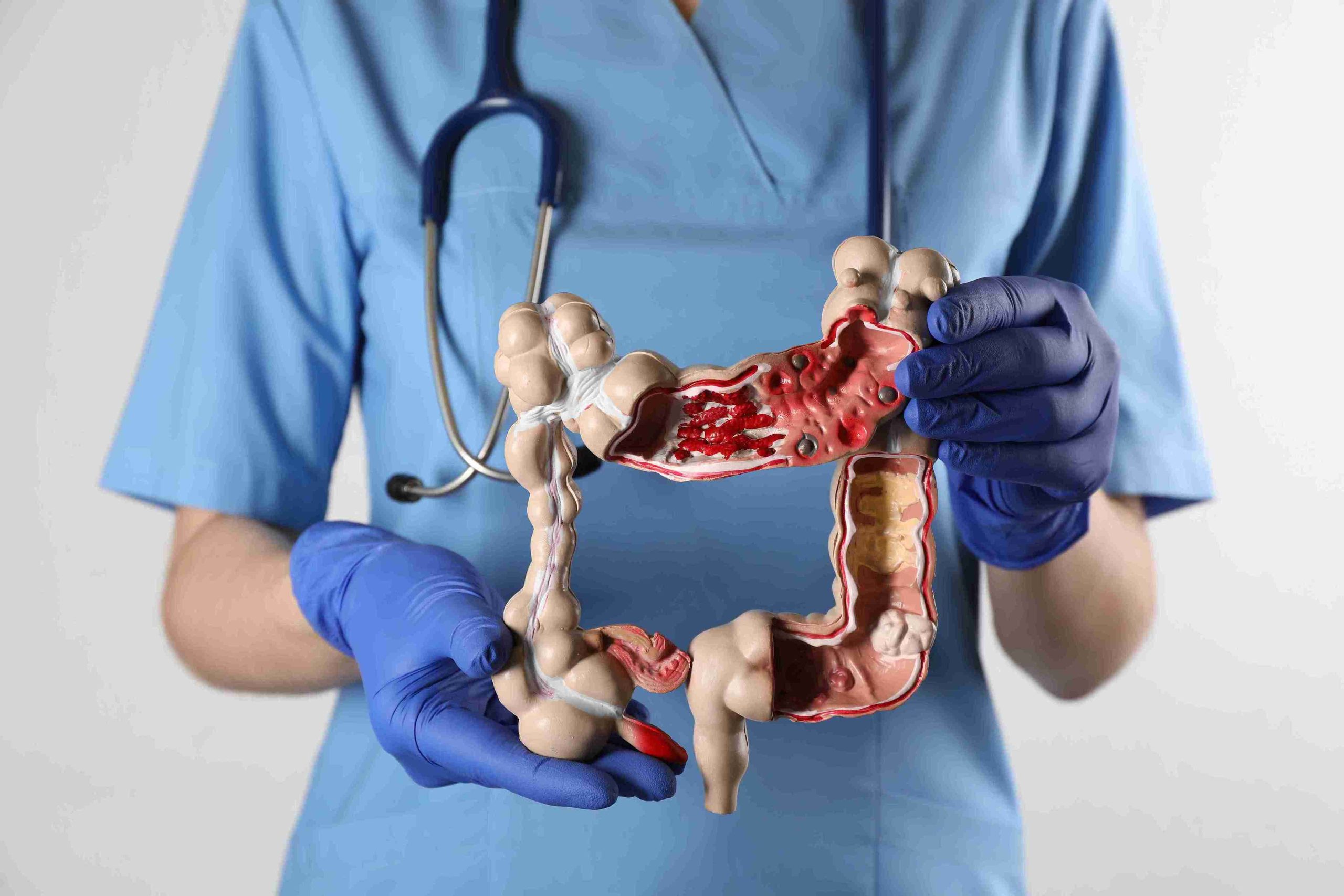
Polyps are protrusions from the inner lining of the colon, varying in size, shape, and potential for malignancy. Most polyps do not cause symptoms, which is why colonoscopy screening is essential, especially for individuals aged 45 and older or those with risk factors like family history of colorectal cancer. Early detection during colonoscopy screening allows polyps to be removed before they develop into cancer [2].
Common Types of Polyps Found During Colonoscopy Screening
Adenomatous Polyps (Adenomas)
Adenomas are the most clinically significant polyps due to their potential to progress to colorectal cancer [3]. They are classified into three main subtypes:
- Tubular adenomas: The most common, usually small and less likely to become cancerous.
- Villous adenomas: Larger, flat, and higher risk for malignancy.
- Tubulovillous adenomas: Exhibit features of both tubular and villous types with intermediate cancer risk.
Adenomas often appear during routine colonoscopy screening and are typically removed during the procedure to reduce future cancer risk.
Hyperplastic Polyps
Hyperplastic polyps are usually small, found in the distal colon, and are generally considered benign. Unlike adenomas, hyperplastic polyps rarely become cancerous. However, colonoscopy screening documentation is important for long-term monitoring, particularly in cases of multiple hyperplastic polyps, which may indicate a rare condition called serrated polyposis syndrome [4].
Sessile Serrated Polyps (SSPs) and Traditional Serrated Adenomas (TSAs)
These polyps are part of the serrated pathway to colorectal cancer. Sessile serrated polyps are flat and can be challenging to detect, making thorough colonoscopy screening crucial. Traditional serrated adenomas are less common but carry a higher malignancy risk than hyperplastic polyps. Both types require removal and regular surveillance [5].
Inflammatory Polyps
Inflammatory polyps, also known as pseudopolyps, often develop in individuals with inflammatory bowel disease (IBD), such as ulcerative colitis or Crohn’s disease. While they are typically benign, their presence indicates chronic inflammation. Colonoscopy screening is necessary to monitor for dysplasia or early cancer in patients with IBD.
Hamartomatous Polyps
Hamartomatous polyps are generally associated with genetic syndromes like Peutz-Jeghers syndrome or juvenile polyposis. They are usually benign but can increase the risk of gastrointestinal cancers in syndromic cases. Colonoscopy screening in these patients is more frequent due to their elevated cancer risk [6].
How Polyps Are Detected During Colonoscopy Screening
During a colonoscopy screening procedure, a flexible tube with a camera is inserted through the rectum to inspect the colon lining. Polyps are visualized, measured, and, in most cases, removed via polypectomy. Removed tissue is sent for histopathology to determine the polyp type and evaluate cancer risk. The combination of visualization and biopsy ensures accurate diagnosis and informs follow-up recommendations.
Table: Common Types of Colon Polyps
| Polyp Type | Appearance | Malignancy Risk | Notes for Colonoscopy Screening |
| Adenomatous (Tubular, Villous, Tubulovillous) | Small to large, may be flat or stalked | Moderate to high | Remove during screening to prevent cancer |
| Hyperplastic | Small, smooth, usually distal colon | Low | Usually benign, monitor for multiple lesions |
| Sessile Serrated | Flat, mucus-covered, usually right colon | Moderate | Requires careful detection and removal |
| Traditional Serrated Adenomas | Flat or slightly raised, right colon | Moderate to high | Remove and monitor due to cancer risk |
| Inflammatory (Pseudopolyps) | Irregular, inflamed, seen in IBD | Low | Indicates chronic inflammation; monitor for dysplasia |
| Hamartomatous | Pedunculated or sessile | Low to moderate | Common in genetic syndromes; requires specialized surveillance |
Importance of Colonoscopy Screening for Polyps
The primary goal of colonoscopy screening is early detection and removal of polyps to prevent colorectal cancer. Many polyps are asymptomatic, meaning patients may not experience abdominal pain, bleeding, or changes in bowel habits. Routine colonoscopy screening test ensures polyps are found and treated before they progress to malignancy.
Frequent colonoscopy screening is particularly important for individuals at higher risk, including those with:
- Family history of colorectal cancer or adenomas
- Personal history of colorectal polyps
- Inflammatory bowel disease
- Genetic syndromes predisposing to gastrointestinal polyps
By adhering to recommended screening intervals, patients can significantly reduce their risk of developing colorectal cancer.
Managing Polyps Found During Colonoscopy Screening
Most polyps detected during colonoscopy screening are removed immediately using snare polypectomy or biopsy forceps. After removal, histological analysis identifies the polyp type and guides follow-up care.
Follow-up colonoscopy schedules depend on:
- Polyp type and number
- Size and histology
- Patient risk factors
For example, a single small hyperplastic polyp may not require immediate repeat colonoscopy, whereas multiple adenomas or serrated lesions necessitate closer surveillance.
Key Takeaways for Patients
- Colonoscopy screening is essential for detecting polyps that could develop into colorectal cancer.
- Adenomatous and serrated polyps carry higher cancer risk and require removal and regular monitoring.
- Even benign polyps, such as hyperplastic and inflammatory polyps, provide important information about colon health.
- Early detection through colonoscopy screening enables effective intervention, reducing the risk of complications and improving long-term outcomes.
Conclusion
Understanding the different types of polyps found during colonoscopy screening is vital for preventing colorectal cancer and maintaining colon health. Polyps vary in appearance, malignancy potential, and management strategies, making accurate detection and removal during colonoscopy screening essential.
Routine colonoscopy screening is recommended for all adults beginning at age 45, or earlier for high-risk individuals. By identifying and removing polyps early, patients significantly reduce their risk of colorectal cancer, ensuring better long-term gastrointestinal health.
For individuals with polyps detected during colonoscopy screening, follow-up recommendations should be personalized based on polyp type, size, and patient risk factors. Adhering to these guidelines ensures the most effective prevention and treatment outcomes.
References
- Rex, D. K., Boland, C. R., Dominitz, J. A., Giardiello, F. M., Johnson, D. A., Kaltenbach, T., … Robertson, D. J. (2017). Colorectal cancer screening: Recommendations for physicians and patients from the U.S. Multi-Society Task Force on Colorectal Cancer. Gastroenterology, 153(1), 307–323. https://doi.org/10.1053/j.gastro.2017.05.013
- U.S. Preventive Services Task Force. (2021). Screening for colorectal cancer: US Preventive Services Task Force recommendation statement. JAMA, 325(19), 1965–1977. https://doi.org/10.1001/jama.2021.6238
- Lieberman, D. A., Rex, D. K., Winawer, S. J., Giardiello, F. M., Johnson, D. A., & Levin, T. R. (2012). Guidelines for colonoscopy surveillance after screening and polypectomy: A consensus update by the U.S. Multi-Society Task Force on colorectal cancer. Gastroenterology, 143(3), 844–857. https://doi.org/10.1053/j.gastro.2012.06.001
- Crockett, S. D., & Nagtegaal, I. D. (2019). Terminology, molecular features, epidemiology, and management of serrated colorectal neoplasia. Gastroenterology, 157(4), 949–966. https://doi.org/10.1053/j.gastro.2019.06.046
- IJspeert, J. E. G., Bevan, R., Senore, C., et al. (2017). Detection rate of serrated polyps and serrated polyposis syndrome in colorectal cancer screening cohorts: A systematic review and meta-analysis. Gut, 66(7), 1225–1232. https://doi.org/10.1136/gutjnl-2016-312010
- Latchford, A. R., Neale, K., Phillips, R. K., & Clark, S. K. (2011). Peutz-Jeghers syndrome: Intrinsic cancer risk and the role of surveillance. Gastrointestinal Endoscopy Clinics of North America, 21(3), 567–580. https://doi.org/10.1016/j.giec.2011.03.010