Key Takeaways
- Reduced patient movement and gag reflex under sedation improves visualization and lowers the risk of missed lesions.
- Sedated colonoscopy facilitates longer, more complex procedures such as polyp removal or biopsy, increasing diagnostic yield.
- Sedation lowers procedural anxiety and discomfort, supporting patient cooperation and adherence to colonoscopy schedules.
- Sedation during colonoscopy enhances patient comfort, allowing for thorough examination of the colon and accurate detection of abnormalities.
Colonoscopy is a gold-standard procedure for screening and diagnosing colorectal diseases, including polyps, inflammatory bowel disease, and colorectal cancer. Many patients and clinicians wonder whether sedation truly impacts the accuracy of colonoscopy.
Clinical evidence shows that sedation significantly improves colonoscopy accuracy by allowing for a more thorough and focused examination, reducing patient movement, and facilitating complex interventions such as biopsies or polyp removal [1].
Understanding why sedation improves colonoscopy performance can help patients make informed decisions about their procedure and increase confidence in the outcomes.
What Is Sedation in Colonoscopy?
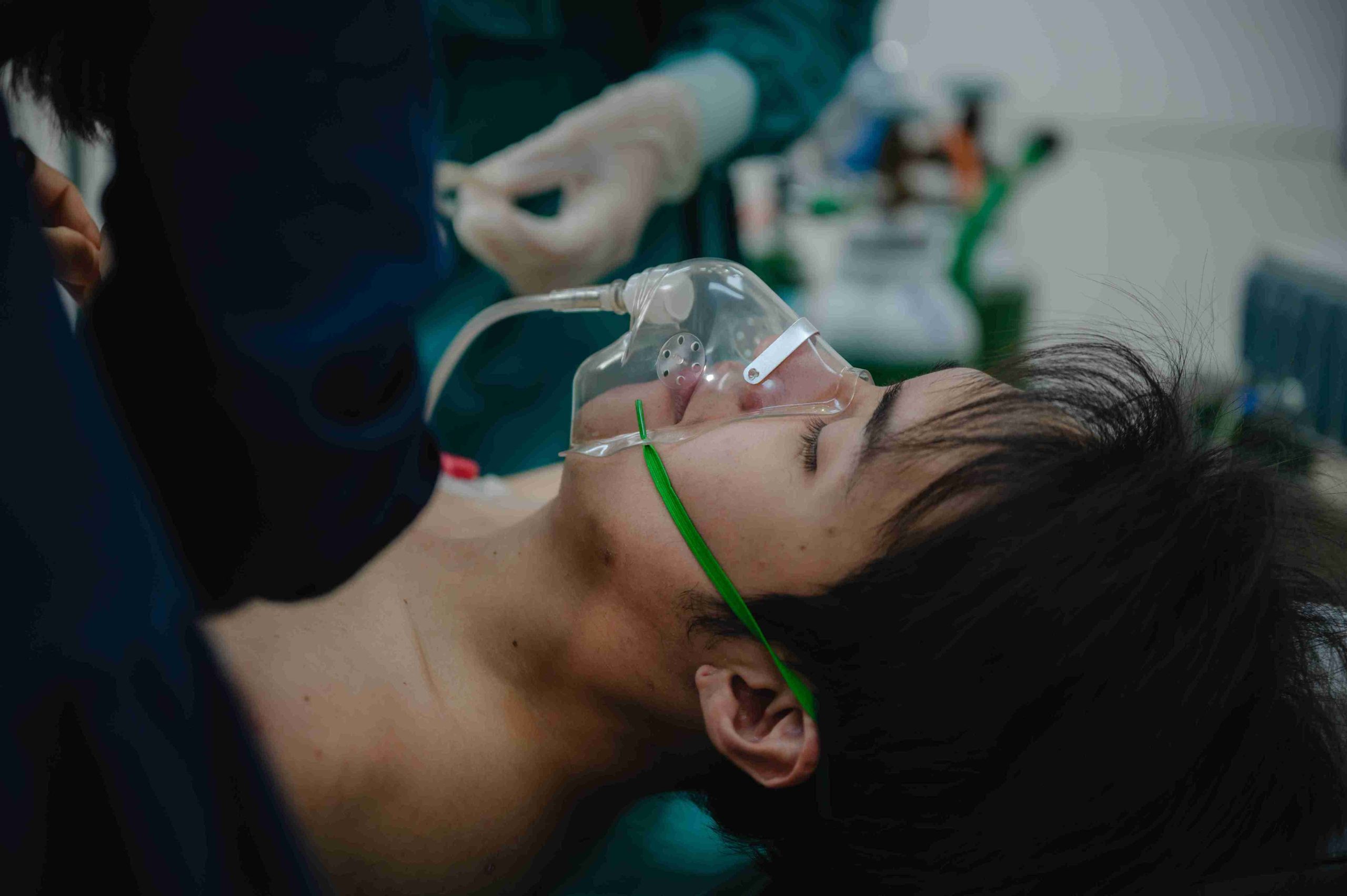
Sedation involves administering medication to relax or induce a light sleep state in patients undergoing a colonoscopy procedure. Depending on patient needs and clinical guidelines, sedation can range from mild conscious sedation to deeper sedation under anaesthetist supervision [2].
Key Benefits of Sedation:
- Reduces discomfort and anxiety during the procedure.
- Minimizes patient movement, gag reflex, and abdominal tensing.
- Allows gastroenterologists to perform a meticulous inspection of the colon lining.
Sedation improves patient tolerance, enabling physicians to examine the colon more thoroughly and accurately.
1. Sedation Reduces Patient Movement
Patient movement during colonoscopy can interfere with visualization and make it challenging for the endoscopist to detect small lesions or polyps. Even minor movement can obscure the camera view and result in missed abnormalities [3].
Why It Matters:
- Sedated patients remain relaxed and still, providing a steady field of vision.
- Reduced movement allows for a consistent inspection of all colon segments, including the right colon, where lesions are commonly missed.
- Improved visualization translates to higher detection rates of adenomas and early cancers.
2. Sedation Minimizes Gag and Reflex Responses
The insertion and manipulation of the colonoscope can trigger gag, abdominal tensing, or discomfort reflexes in awake patients [4]. These reflexes can:
- Obstruct the colonoscope’s pathway
- Reduce the ability to maneuver the scope into difficult segments
- Increase procedure time and compromise thoroughness
Sedation blunts these reflex responses, enabling smoother colonoscope advancement and a more complete examination, thereby improving colonoscopy accuracy.
3. Sedation Supports Complex Procedures
Some colonoscopies are purely diagnostic, but many involve therapeutic interventions such as [5]:
- Polyp removal
- Biopsy collection
- Hemostasis of bleeding lesions
These interventions require precision and patient stillness. Sedation provides the comfort and immobility needed to safely and accurately perform these tasks, directly impacting the quality of colonoscopy outcomes.
4. Sedation Enhances Patient Cooperation and Comfort
Anxiety and discomfort are major barriers to completing a full colonoscopy. Sedation alleviates these concerns, allowing:
- Patients to tolerate longer procedures necessary for thorough inspection
- Endoscopists to follow proper protocols without rushing
- Higher completion rates, including cecal intubation, which is crucial for colonoscopy accuracy
By reducing stress and discomfort, sedation ensures both patient safety and the quality of the examination.
5. Sedation Reduces Procedure-Related Errors
Procedure-related errors such as incomplete visualization or missing subtle lesions are more common in unsedated colonoscopy due to patient discomfort and movement [6]. Sedation reduces these errors by:
- Allowing careful inspection of all colon folds and turns
- Enabling adequate time for cleaning residual stool or fluid
- Facilitating repeated passes over suspicious areas for confirmation
This leads to a higher adenoma detection rate, which is strongly correlated with reduced colorectal cancer risk.
Clinical Evidence Supporting Sedation
Studies comparing sedated and unsedated colonoscopies indicate:
| Parameter | Sedated Colonoscopy | Unsedated Colonoscopy |
| Adenoma detection rate | Higher | Lower |
| Completion rate (cecal intubation) | >95% | 85–90% |
| Patient comfort | High | Moderate to low |
| Procedure duration | Slightly longer, controlled | Often shorter, rushed |
| Complications | Rare | Slightly higher due to movement |
This table shows that sedation enhances diagnostic accuracy, completion rates, and patient experience without significantly increasing complication risk when performed by trained staff.
Additional Benefits of Sedated Colonoscopy
- Reduced need for repeat procedures: Sedation ensures thorough examination, decreasing the likelihood of missed lesions that require repeat colonoscopy.
- Better visualization of difficult areas: Deep colonic folds and the right colon are more thoroughly inspected under sedation.
- Improved adherence to screening programs: Patients who undergo comfortable, sedated colonoscopy are more likely to return for follow-up screenings, supporting long-term colorectal cancer prevention.
Considerations for Sedation
While sedation offers many advantages, some considerations include:
- Medical assessment: Sedation may not be suitable for patients with certain cardiac or respiratory conditions without anaesthetist supervision.
- Cost: Sedated colonoscopy generally increases overall procedure cost due to anaesthetist fees and monitoring requirements.
- Recovery: Patients may require observation post-procedure until sedation effects wear off and should arrange for a responsible adult to accompany them home.
Despite these factors, the benefits of sedation—particularly for improving colonoscopy accuracy—generally outweigh potential drawbacks for most patients.
Tips to Maximize Colonoscopy Accuracy
- Choose sedation if appropriate: Discuss sedation options with your gastroenterologist based on health status and anxiety level.
- Follow bowel preparation instructions: Proper bowel prep ensures a clear view and enhances lesion detection.
- Disclose medications and health conditions: This allows safe sedation administration and minimizes risks.
- Schedule procedures at accredited facilities: Experienced endoscopists and trained staff improve both safety and accuracy.
- Attend regular screenings: Consistent colonoscopy schedules enhance early detection and prevent missed lesions.
Conclusion
Sedation improves colonoscopy accuracy by reducing patient movement, minimizing reflex responses, supporting complex interventions, enhancing comfort, and lowering procedure-related errors.
By enabling a more thorough and precise examination, sedated colonoscopy improves lesion detection, completion rates, and overall patient experience. Patients should discuss sedation options with their gastroenterologist to determine the safest and most effective approach for their needs.
Ultimately, sedation supports high-quality colonoscopy outcomes while reducing the risk of missed lesions, ensuring effective colorectal disease prevention and diagnosis.
References
- Xu, C., Tang, D., Xie, Y., Ni, M., Chen, M., Shen, Y., Dou, X., Zhou, L., & Wang, L. (2023). Sedation is associated with higher polyp and adenoma detection rates during colonoscopy: A retrospective cohort study. Gastroenterology Research and Practice, 2023, Article 1172478. https://doi.org/10.1155/2023/1172478
- Sui, Y., et al. (2023). Comparison of missed adenomas in deep‑sedated and unsedated colonoscopy: A multicenter retrospective study. European Journal of Internal Medicine, 110, 48–53. https://doi.org/10.1016/j.ejim.2023.01.019
- Naganuma, M., & Hisabe, T. (2023). Unsedated colonoscopy associated with lower quality indicators compared to sedated procedures (ADR & CIR). The Awake Patient versus Sedated Colonoscopies — American Journal of Gastroenterology (abstract). Retrieved from https://journals.lww.com/ajg/fulltext/2020/10001/s0202_unsedated_colonoscopy__impact_on_quality.202.aspx
- Siau, K., et al. (2022). Impact of sedation type on adenoma detection rate by colonoscopy. Clinical Research in Hepatology and Gastroenterology, 46(7), 101981. https://doi.org/10.1016/j.clinre.2022.101981
- Lee, T. J. W., & Kaltenbach, T. (2018). Colonoscopy, quality metrics, and the role of sedation and bowel preparation. Clinical Endoscopy, 51(6), 549–555. https://doi.org/10.5946/ce.2018.137
- Lee, T. J. W., & Kaltenbach, T. (2018). Sedation in GI endoscopy: Association with completeness and quality indicators. World Journal of Gastrointestinal Endoscopy, 10(6), 177–182. https://www.wjgnet.com/1948-5190/abstract/v10/i6/177.htm