Key Takeaways
- The gut microbiome plays a critical role in digestive health and can influence the development of colon cancer symptoms.
- Dysbiosis, or an imbalance in gut bacteria, can lead to inflammation, abnormal cell growth, and worsening of colon cancer symptoms.
- Diet, lifestyle, and gut health interventions can help reduce the severity of colon cancer symptoms.
- Early detection, routine screening, and microbiome-friendly practices can improve long-term colon health and outcomes.
Understanding the Gut Microbiome
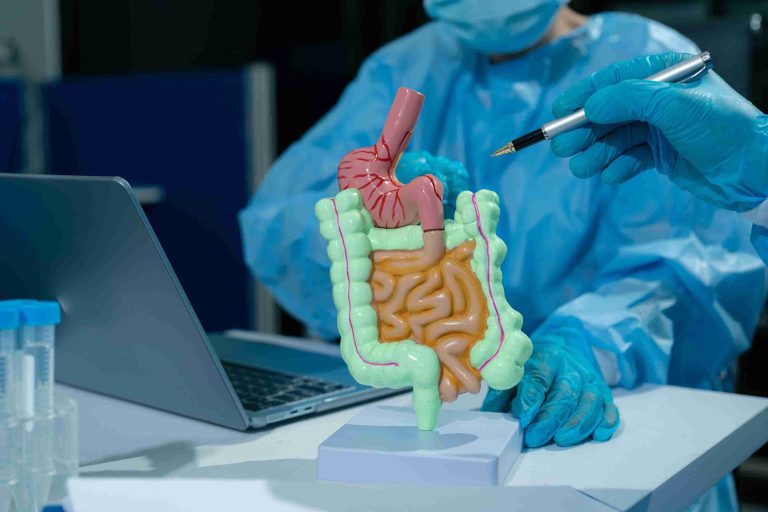
The gut microbiome is a complex ecosystem of trillions of microorganisms, including bacteria, viruses, fungi, and archaea, residing primarily in the large intestine. These microorganisms play essential roles in:
- Breaking down and fermenting dietary fiber
- Synthesizing vitamins such as B12 and K
- Supporting the immune system
- Regulating inflammation
- Protecting against harmful pathogens
A balanced microbiome promotes digestive efficiency and overall colon health. However, an imbalanced microbiome, known as dysbiosis, can contribute to the development of gastrointestinal disorders, including colorectal cancer, and can influence the severity of colon cancer symptoms.
How Gut Dysbiosis Impacts Colon Cancer
Research increasingly demonstrates a connection between gut microbiota and colorectal cancer development. Dysbiosis may affect the colon through several mechanisms:
1. Chronic Inflammation
Certain pathogenic bacteria can trigger persistent inflammation in the colon lining.Chronic inflammation encourages abnormal cell proliferation, increasing the risk of polyp formation and colorectal cancer. Inflammatory processes can worsen colon cancer symptoms, including abdominal pain, bloating, and irregular bowel movements.
2. Toxin Production
Some gut bacteria produce harmful toxins such as colibactin, which can damage DNA and promote cancerous changes. These toxins can accelerate symptom progression, including rectal bleeding, fatigue, and discomfort.
3. Immune System Dysregulation
A healthy microbiome trains the immune system to detect and eliminate abnormal cells. Dysbiosis can impair immune surveillance, allowing malignant cells to grow unchecked and worsening colon cancer signs.
4. Metabolic Disruptions
Gut bacteria produce metabolites that either support colon health or contribute to disease. Imbalanced microbial metabolites can compromise mucosal integrity and exacerbate colon cancer symptoms like abdominal cramping and bloating.
Recognizing Colon Cancer Symptoms
Early recognition of colon cancer symptoms is crucial for timely intervention. Symptoms often develop gradually and may include:
- Persistent changes in bowel habits, including diarrhea or constipation
- Blood in stool or rectal bleeding
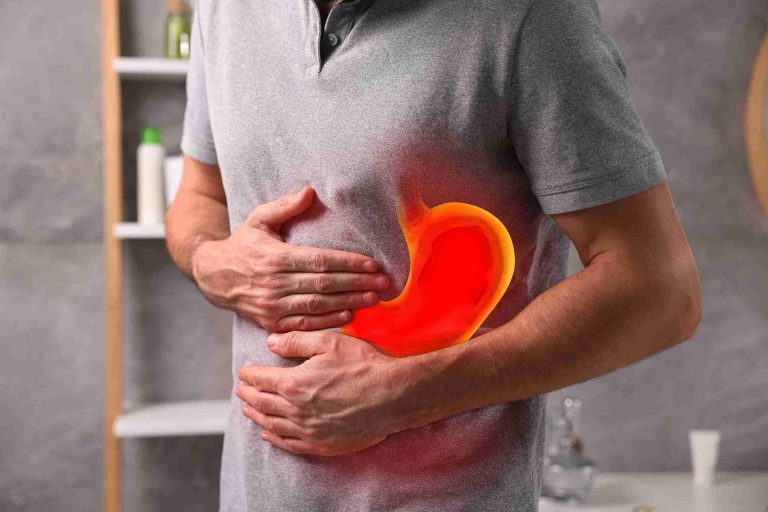
- Abdominal discomfort or cramping
- Unexplained weight loss
- Fatigue and generalized weakness
- Feeling of incomplete bowel emptying
It is important to note that many of these symptoms are nonspecific and may overlap with other gastrointestinal conditions. Persistent or severe symptoms should prompt medical evaluation.
The Role of Diet in Gut Health and Symptoms
Diet is one of the most influential factors in shaping the gut microbiome and influencing colon cancer symptoms.
High-Fiber Foods
Fiber-rich foods such as vegetables, fruits, legumes, and whole grains promote the growth of beneficial bacteria. Adequate fiber intake improves bowel regularity, reduces inflammation, and may alleviate some colon cancer symptoms.
Red and Processed Meats
High consumption of red and processed meats is linked to harmful microbial changes and higher colorectal cancer risk. Reducing intake can help decrease inflammation and support microbiome balance.
Probiotics and Fermented Foods
Fermented foods like yogurt, kefir, and kimchi introduce beneficial bacteria into the gut. These probiotics can enhance microbial diversity, potentially improving colon cancer symptoms and supporting overall colon health.
Sugars and Processed Foods
Excessive sugar and highly processed foods favor pathogenic bacteria growth. Limiting these foods can reduce inflammation and prevent worsening of colon cancer symptoms.
Lifestyle Factors That Affect Gut Health
Beyond diet, lifestyle choices influence gut microbiota composition and the risk of developing or worsening colon cancer symptoms:
- Exercise: Regular physical activity improves bowel motility, reduces inflammation, and enhances gut microbial diversity.
- Stress Management: Chronic stress can alter gut bacteria and worsen symptoms, including abdominal discomfort and irregular bowel movements.
- Sleep: Adequate sleep supports immune function and gut barrier integrity, reducing the severity of colon cancer symptoms.
- Avoiding Smoking and Excessive Alcohol: Both behaviors can damage gut mucosa and alter microbial balance, increasing colorectal cancer risk.
Screening and Early Intervention
Routine colonoscopy and other screening methods are essential for early detection of colorectal changes. Screening can:
- Identify precancerous polyps before they develop into malignancy
- Monitor high-risk patients for early intervention
- Provide insight into symptom causes, helping differentiate colon cancer symptoms from benign gastrointestinal issues
Emerging research suggests that microbiome profiling may one day help predict patients at risk of severe colon cancer symptoms, allowing for targeted preventive strategies.
Preventive Strategies for Gut Health
To reduce the impact of microbiome imbalances on colon cancer symptoms, patients should consider:
- Consuming a high-fiber, plant-based diet
- Limiting red and processed meats and refined sugars
- Including probiotics and fermented foods
- Engaging in regular exercise
- Managing stress and ensuring adequate sleep
- Following recommended colorectal cancer screening schedules
These strategies not only support gut microbiome health but may also mitigate the severity and frequency of colon cancer symptoms.
When to Seek Medical Attention
Persistent or severe colon cancer symptoms should prompt consultation with a healthcare provider. Immediate evaluation is necessary if symptoms include:
- Significant rectal bleeding
- Persistent abdominal pain
- Unexplained weight loss
- Changes in bowel habits lasting more than a few weeks
Early intervention increases the likelihood of successful treatment and improves long-term outcomes.
Conclusion
The gut microbiome plays a central role in digestive health and the development of colon cancer symptoms. Dysbiosis can drive inflammation, toxin production, immune dysfunction, and metabolic disturbances, all of which contribute to symptom onset and severity.
By maintaining a microbiome-friendly diet, adopting a healthy lifestyle, and adhering to regular screenings, individuals can support gut health, reduce symptom severity, and enhance overall colon wellness. Recognizing the link between gut microbiota and colon cancer symptoms empowers patients to take proactive steps toward early detection, prevention, and long-term gastrointestinal health.