When a doctor recommends a gastroscopy, many patients feel anxious or uncertain about what the procedure involves and what it might reveal. A gastroscopy, also known as an upper endoscopy, is a diagnostic test that allows doctors to view the inside of the upper digestive tract. It helps identify causes of symptoms like persistent heartburn, abdominal pain, nausea, or difficulty swallowing. Understanding what your doctor looks for during a gastroscopy can help demystify the process and make the results easier to understand.
What Is a Gastroscopy?
Gastroscopy is a minimally invasive procedure. It uses an endoscope equipped with a light and camera. The endoscope is gently inserted through the mouth and guided down the esophagus, giving doctors a clear view of the lining of the upper gastrointestinal tract.
The procedure is usually performed under light sedation to ensure comfort. It typically lasts about 15 to 30 minutes and may also include taking small tissue samples (biopsies) for further testing. Beyond diagnosis, gastroscopy can also be used for certain treatments, such as removing small growths, sealing bleeding ulcers, or widening narrowed areas.
Why Doctors Recommend Gastroscopy
Doctors may recommend a gastroscopy when symptoms persist despite medication or when initial tests, such as blood work or imaging scans, do not provide clear answers. Some of the most common reasons include:
- Chronic indigestion or acid reflux
- Unexplained weight loss or loss of appetite
- Difficulty swallowing (dysphagia)
- Persistent vomiting or nausea
- Suspected stomach ulcers
- Gastrointestinal bleeding (vomiting blood or black stools)
Gastroscopy plays a crucial role in diagnosing these issues early and helping prevent complications like ulcers or even stomach cancer.
Decoding What Doctors See During Gastroscopy
During a gastroscopy test, doctors carefully examine the color, texture, and condition of the digestive tract lining. Any abnormalities are noted, photographed, and, if needed, biopsied. Understanding these findings helps patients make sense of the medical terminology that appears in their reports.
1. The Esophagus
The esophagus connects the throat to the stomach and is a common site of irritation and inflammation. During gastroscopy exam, doctors check for signs of esophagitis, which is inflammation often caused by acid reflux or infection. If the lining appears red, swollen, or ulcerated, it suggests irritation from stomach acid, a hallmark of gastroesophageal reflux disease (GERD).
They also look for structural changes, such as Barrett’s esophagus, a condition where long-term acid damage alters the esophageal lining. Barrett’s esophagus requires careful monitoring since it increases the risk of developing esophageal cancer. Narrowing (strictures) or growths may also be detected and treated during the same procedure.
2. The Stomach
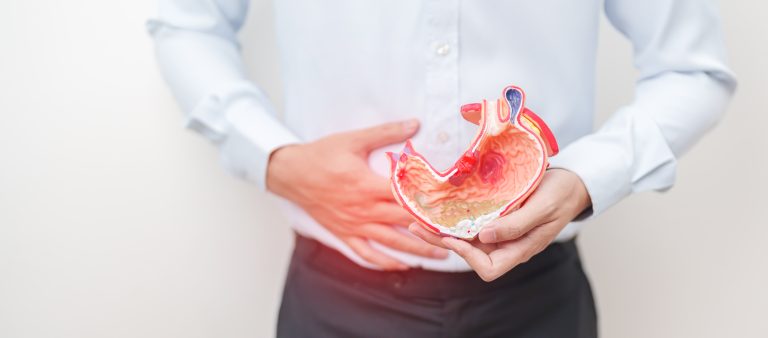
In the stomach, gastroscopy findings often reveal the health of the gastric lining. A healthy stomach appears smooth and pink, but doctors may spot redness, swelling, or lesions. These can indicate gastritis (inflammation), which may result from infections like Helicobacter pylori (H. pylori), chronic use of pain relievers such as NSAIDs, or excessive alcohol consumption.
Another common finding is peptic ulcers, which are open sores that form when the stomach’s protective lining is damaged. Ulcers may bleed or cause severe pain if untreated. During gastroscopy, a doctor can pinpoint the ulcer’s location, take a biopsy to rule out infection or malignancy, and even stop active bleeding using special tools through the endoscope.
In some cases, gastroscopy may reveal benign growths such as polyps or, more rarely, stomach tumors. Polyps are usually harmless but may need removal or further testing to ensure they’re not precancerous.
3. The Duodenum
The duodenum, the first part of the small intestine, is another area carefully examined during gastroscopy. This section often reveals signs of duodenal ulcers, which are similar to stomach ulcers but tend to cause pain that improves after eating. Doctors also look for inflammation or structural abnormalities that could suggest conditions like celiac disease.
Celiac disease, an autoimmune disorder triggered by gluten, causes damage to the small intestinal lining. A gastroscopy with biopsy can confirm the diagnosis by showing villous atrophy (flattening of the intestinal surface), a classic sign of the condition.
Biopsy: A Closer Look Beyond the Surface
Even if everything appears normal during gastroscopy, doctors may still take small tissue samples (biopsies) from various parts of the digestive tract. These samples help detect microscopic inflammation, infections like H. pylori, or early cellular changes that aren’t visible to the naked eye.
A biopsy can confirm conditions such as gastritis, celiac disease, or precancerous lesions. It’s a painless part of the procedure, and most patients are unaware that samples were taken. Results usually return within a few days and provide valuable insight into the underlying cause of symptoms.
Common Findings Explained
While gastroscopy results vary from patient to patient, some of the most frequently reported findings include:
- Reflux esophagitis: Irritation caused by stomach acid backing up into the esophagus.
- Hiatal hernia: A bulge where part of the stomach pushes through the diaphragm into the chest, often linked to acid reflux.
- Gastric ulcers or erosions: Damaged areas of the stomach lining that may bleed or cause discomfort.
- Gastric polyps: Small growths that are usually benign but require monitoring.
- Duodenitis: Inflammation in the duodenum often associated with H. pylori or medication use.
- H. pylori infection: A common bacterial infection that can cause ulcers and, over time, increase the risk of stomach cancer.
Understanding these findings helps patients engage in meaningful discussions with their doctors about treatment options and next steps.
What Happens After Gastroscopy
After gastroscopy, patients rest for a short time while the sedative wears off. Mild throat discomfort or bloating is common but temporary. The doctor usually provides preliminary findings immediately after the procedure, though biopsy results may take a few days.
If inflammation or infection is found, treatment may include antibiotics, acid-suppressing medications, or dietary changes. For ulcers, doctors often prescribe proton pump inhibitors (PPIs) to reduce acid and promote healing. When polyps or abnormal growths are removed, follow-up gastroscopy may be recommended to ensure complete healing.
When Gastroscopy Findings Require Urgent Action
Some gastroscopy findings indicate the need for more immediate treatment. For instance, active bleeding ulcers or suspicious lesions may require biopsy and close follow-up to rule out malignancy. Early detection is crucial since conditions like gastric cancer often present with subtle or no symptoms in their early stages.
If cancerous or precancerous changes are detected, the care team will discuss further diagnostic tests or treatment options, which may include surgery, chemotherapy, or targeted therapy.
How to Prepare for a Gastroscopy
Preparation for a gastroscopy is straightforward but important for accuracy. Patients are asked to fast for at least six hours before the procedure to ensure the stomach is empty. Certain medications, such as blood thinners or diabetes medications, may need adjustment beforehand.
Patients should inform their doctor about any allergies, medical conditions, or previous surgeries. Doing so helps the medical team plan appropriately and ensure a safe, smooth procedure.
Interpreting Results: Working With Your Doctor
Understanding your gastroscopy report can feel overwhelming, as it may include medical terms like “erosive gastritis” or “hyperplastic polyp.” Patients should always review results with their doctor to clarify what each finding means and what steps are necessary.
In most cases, gastroscopy reveals conditions that are treatable with medication and lifestyle adjustments. Only a small percentage of findings point to serious disease, and even then, early detection through gastroscopy dramatically improves outcomes.
The Value of Regular Monitoring
For individuals with chronic conditions such as GERD, ulcers, or Barrett’s esophagus, regular gastroscopy can be part of long-term care. These follow-up examinations allow doctors to monitor progress, assess treatment effectiveness, and detect new changes early.
Patients with risk factors such as a family history of stomach cancer, persistent reflux, or H. pylori infection may benefit from periodic evaluations. This proactive approach helps prevent complications and ensures lasting digestive health.
Conclusion
Gastroscopy is more than just a diagnostic test—it’s a window into the health of the upper digestive system. The findings provide critical clues that guide diagnosis, treatment, and prevention of many gastrointestinal diseases. By understanding what doctors look for and what gastroscopy results mean, patients can feel more confident and informed about their health. Whether it reveals something as simple as mild inflammation or something that requires further care, gastroscopy remains a powerful tool in maintaining a healthy digestive system and ensuring early intervention when needed.