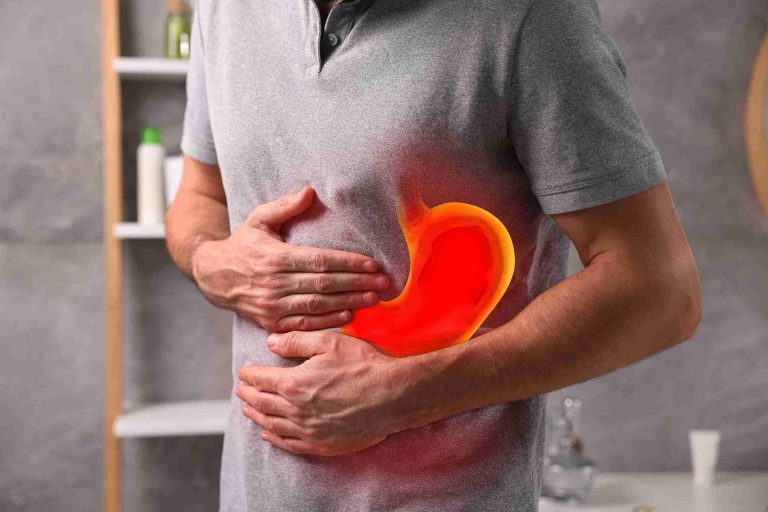
Abdominal pain is one of the most common reasons people seek medical attention. It can range from a mild, temporary discomfort to a severe and life-threatening emergency. While most cases are harmless and resolve on their own, certain symptoms serve as warning signs that something more serious may be happening inside the body. Knowing when to worry about abdominal pain can make a significant difference in getting timely medical care and preventing complications.
Understanding Abdominal Pain
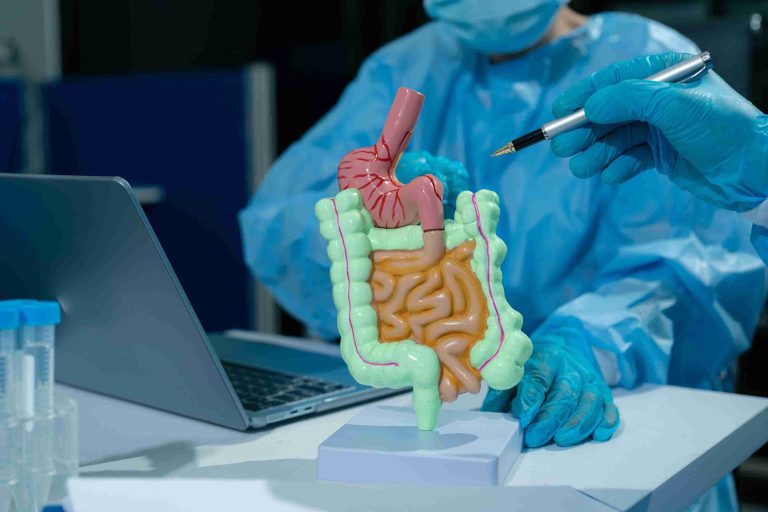
The abdomen houses many vital organs, including the stomach, liver, pancreas, gallbladder, intestines, kidneys, and reproductive organs. Because of this complexity, abdominal pain can originate from a wide variety of causes—from digestive issues like indigestion and constipation to infections, inflammation, or even organ damage.
The pain can be localized or widespread, dull or sharp, constant or intermittent. Its character and location often provide clues about the underlying cause. For example, upper right-sided pain may point to gallbladder problems, while lower left-sided pain could indicate diverticulitis.
However, the key to distinguishing harmless pain from serious illness lies in identifying “alarm signs”—symptoms that suggest something beyond a simple digestive upset.
Common but Harmless Causes
Before exploring the warning signs, it’s important to recognize that not all abdominal pain is alarming. Many causes are mild and self-limiting.
Indigestion, for instance, often causes temporary discomfort after eating too quickly or consuming greasy foods. Gas buildup can lead to bloating and cramping that resolve with rest or over-the-counter remedies. Mild viral gastroenteritis, sometimes called the “stomach flu,” can cause cramps and diarrhea but typically improves within a few days.
Menstrual cramps, constipation, and even stress-related stomach tension can also lead to mild pain that subsides with home care. However, when pain persists, intensifies, or is accompanied by other symptoms, it becomes essential to seek medical evaluation.
Alarm Sign #1: Persistent or Severe Pain
One of the most important red flags in abdominal pain is persistence or severity. Pain that lasts more than a few hours, or becomes progressively worse, should not be ignored.
Sharp, intense pain in the lower right side may indicate appendicitis—a medical emergency requiring prompt surgery. Severe upper abdominal pain that radiates to the back can signal pancreatitis, while cramping pain that comes in waves might suggest an intestinal obstruction.
If the pain prevents you from standing, walking, or performing daily activities, it warrants immediate attention. The longer severe pain persists, the higher the chance that an underlying organ is inflamed or damaged.
Alarm Sign #2: Pain with Fever
When abdominal discomfort occurs alongside a fever, infection or inflammation is likely involved. This combination could point to conditions such as appendicitis, diverticulitis, cholecystitis (gallbladder inflammation), or pelvic inflammatory disease.
A fever means the body is fighting an infection, and when paired with pain, it suggests the infection is localized within an organ or cavity. Ignoring this sign could allow the infection to spread, potentially leading to sepsis, a life-threatening condition.
Medical evaluation—including blood tests, imaging, and sometimes hospital observation—is necessary to determine the cause and start appropriate treatment.
Alarm Sign #3: Blood in Stool or Vomit
The presence of blood—whether in vomit or stool—is a serious warning sign. Bloody or black, tarry stools may indicate bleeding in the gastrointestinal tract. Bright red blood can come from hemorrhoids or rectal bleeding, but darker stool often points to bleeding higher up, such as from a stomach ulcer.
Similarly, vomiting blood, which may look like coffee grounds, could indicate an ulcer, gastritis, or even a tear in the esophagus. These conditions can cause significant blood loss, leading to anemia or shock if untreated.
Any sign of bleeding associated with abdominal distress requires urgent medical evaluation, as it may signal a gastrointestinal emergency.
Alarm Sign #4: Pain with Jaundice
Yellowing of the skin and eyes, known as jaundice, combined with stomach pain, can point to liver or gallbladder problems. Conditions like hepatitis, gallstones blocking bile ducts, or pancreatic tumors can interfere with bile flow, leading to jaundice.
Patients may also experience dark urine, pale stools, and itching. Because these symptoms can indicate serious liver or biliary diseases, prompt blood tests and imaging studies are necessary to identify the cause and begin treatment before permanent damage occurs.
Alarm Sign #5: Pain with Vomiting or Inability to Keep Food Down
Occasional nausea is common, but continuous vomiting or an inability to keep food or fluids down should raise concern. Persistent vomiting may lead to dehydration and electrolyte imbalance, especially in children and the elderly.
When accompanied by abdominal pain, it can suggest an intestinal obstruction, gastritis, or even appendicitis. Vomiting that follows intense pain after eating fatty foods could also be linked to gallbladder disease.
If vomiting lasts longer than a day, or if it contains blood or looks like coffee grounds, medical attention is required immediately.
Alarm Sign #6: Pain with Unexplained Weight Loss or Fatigue
Gradual, unexplained weight loss combined with pain in the abdomen can be a sign of a chronic or serious condition. Possible causes include cancers of the digestive tract, inflammatory bowel disease (IBD), or peptic ulcer disease.
Fatigue often accompanies these illnesses due to malnutrition, chronic blood loss, or systemic inflammation. Patients noticing reduced appetite, early satiety, or persistent bloating should consult a doctor for further evaluation.
A thorough assessment—including imaging, endoscopy, or blood tests—can identify or rule out underlying diseases that need early treatment.
Alarm Sign #7: Pain with Abdominal Swelling or Tenderness
Visible swelling or bloating that does not improve, especially if accompanied by tenderness or firmness, can indicate fluid buildup (ascites), an enlarged organ, or even a tumor. Painful swelling may occur in cases of intestinal obstruction or liver disease. If the abdomen feels hard to the touch, or if pressure worsens the pain, it’s a clear indication that medical evaluation is needed.
Alarm Sign #8: Pain with Urinary or Reproductive Symptoms
In some cases, abdominal pain may be linked to urinary tract or reproductive organ issues. Painful urination, frequent urination, or blood in the urine may indicate a urinary tract infection or kidney stones.
For women, lower abdominal pain with abnormal vaginal bleeding or discharge may suggest gynecologic conditions such as ovarian cysts, ectopic pregnancy, or endometriosis. Men experiencing lower abdominal discomfort with urinary changes should also consider prostate or bladder problems.
When pain overlaps between systems, diagnostic tests like ultrasound or CT scans help determine whether the issue is gastrointestinal, urinary, or reproductive.
When to Seek Emergency Help
Certain symptoms should prompt immediate medical attention, regardless of cause. Go to the emergency room or call for help if you experience:
- Sudden, severe, or stabbing abdominal pain
- Pain after injury to the abdomen
- Persistent vomiting, especially with blood
- Fainting, dizziness, or signs of shock
- Inability to pass gas or stool for more than two days with swelling
Early intervention can prevent serious complications, especially in cases like appendicitis, bowel obstruction, or perforated ulcers.
Diagnosing the Cause of Abdominal Pain
When alarm signs are present, doctors use a combination of history-taking, physical exams, laboratory tests, and imaging to find the cause. Blood work can detect infection or organ dysfunction, while imaging—such as ultrasound, CT scan, or MRI—reveals structural problems.
Endoscopy or colonoscopy may also be recommended if gastrointestinal bleeding or inflammation is suspected. Early diagnosis ensures that treatment, whether medical or surgical, can begin before complications develop.
Conclusion
Abdominal pain is often harmless, but knowing when to take it seriously is crucial for health and safety. Persistent pain, bleeding, fever, jaundice, or weight loss should never be ignored. Recognizing these alarm signs can help you seek timely medical attention and potentially prevent life-threatening complications.
While mild digestive discomfort is common and usually temporary, severe or persistent abdominal pain deserves proper evaluation. Paying attention to your body and acting quickly when warning symptoms appear is the best way to protect your digestive health and overall well-being.