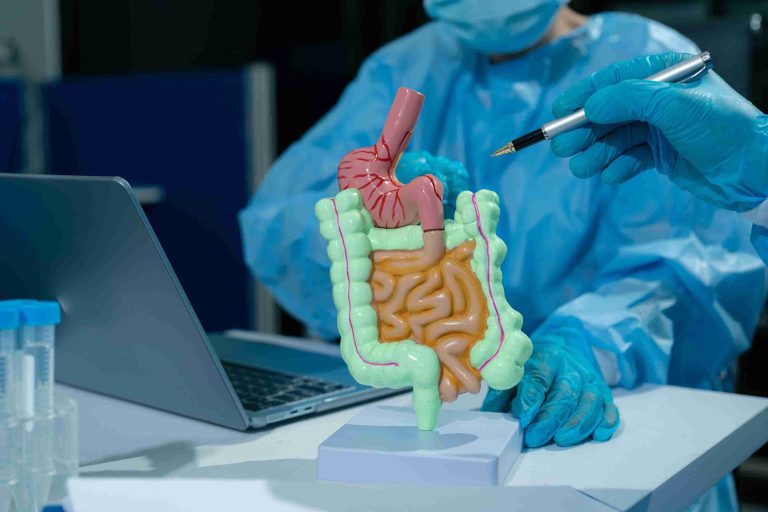
In modern medicine, visualization inside the human body has become much less invasive thanks to endoscopy. This procedure uses a flexible tube equipped with a camera and light to examine internal organs, helping doctors detect, diagnose, and sometimes treat medical conditions without the need for open surgery. There are several types of endoscopy, each designed to focus on specific parts of the body. Understanding these procedures can help patients feel more confident and informed when their doctor recommends one.
What Is Endoscopy and How It Works
Endoscopy allows doctors to view the body’s internal structures in real time. The device, called an endoscope, is a long, thin, flexible tube with a light source and camera at its tip. The images captured by the camera are transmitted to a monitor, giving physicians a clear view of the area being examined.
In some cases, tiny surgical instruments can also be passed through the endoscope, allowing doctors to remove tissue samples, take biopsies, or even perform minor surgical treatments. Because of this, endoscopy serves both diagnostic and therapeutic purposes, reducing the need for traditional surgery and speeding up recovery time.
Upper Endoscopy (Esophagogastroduodenoscopy)
One of the most common types of endoscopy is the upper endoscopy, also known as an esophagogastroduodenoscopy or EGD. This procedure examines the upper part of the digestive tract, including the esophagus, stomach, and the beginning of the small intestine (duodenum).
Doctors usually recommend an upper endoscopy when a patient experiences persistent heartburn, difficulty swallowing, unexplained vomiting, or stomach pain. It is also useful for diagnosing ulcers, inflammation, bleeding, and tumors in the digestive system. During the procedure, patients are often sedated for comfort, and the flexible scope is gently inserted through the mouth and guided down the esophagus.
An upper endoscopy can detect early signs of gastrointestinal diseases and even allow doctors to perform interventions such as removing small growths or sealing bleeding vessels. The procedure usually takes less than 30 minutes, and most patients recover quickly with minimal discomfort.
Lower Endoscopy (Colonoscopy and Sigmoidoscopy)
The lower endoscopy focuses on the lower part of the digestive system, primarily the colon and rectum. There are two main types—colonoscopy and sigmoidoscopy.
A colonoscopy examines the entire colon and rectum, making it the most comprehensive tool for detecting colon cancer, polyps, and inflammation. During the procedure, the patient is given mild sedation, and a flexible endoscope is inserted through the rectum. The camera transmits real-time images of the intestinal lining, allowing doctors to spot abnormalities or remove small polyps before they become cancerous.
A sigmoidoscopy, on the other hand, only examines the sigmoid colon—the lower section of the large intestine. It’s a shorter procedure, often used for follow-up evaluations or when symptoms are limited to the lower digestive tract. Both procedures are vital tools in preventive care and early detection of colorectal diseases, which are among the most common yet treatable forms of cancer when caught early.
Capsule Endoscopy
Capsule endoscopy represents a major advancement in gastrointestinal imaging. Instead of inserting a traditional scope, the patient swallows a small, pill-sized capsule that contains a miniature camera, light, and transmitter. As it travels through the digestive system, it captures thousands of images, which are sent wirelessly to a recording device worn by the patient.
This type of endoscopy is especially helpful for visualizing areas that are difficult to reach using conventional methods, such as the middle portion of the small intestine. Capsule endoscopy is often used to detect sources of unexplained bleeding, Crohn’s disease, tumors, or ulcers.
The capsule passes naturally through the digestive system within a day, and patients can continue normal activities during the process. While capsule endoscopy is primarily diagnostic and cannot perform treatments like biopsies, it provides valuable insight when other types of endoscopy fail to reveal the cause of symptoms.
Bronchoscopy: Examining the Airways and Lungs
Not all types of endoscopy focus on the digestive tract. Bronchoscopy is a specialized form that examines the airways and lungs. It is performed using a bronchoscope—a thin tube inserted through the nose or mouth into the lungs.
Doctors use bronchoscopy to investigate chronic coughs, infections, blockages, or tumors in the respiratory system. It also allows for the collection of tissue or mucus samples for laboratory testing. In some cases, bronchoscopy can be therapeutic, helping to remove foreign bodies or clear airway obstructions.
The procedure typically requires local anesthesia and mild sedation, ensuring patient comfort. Recovery is usually quick, although a sore throat or hoarseness may occur briefly afterward.
Cystoscopy: Viewing the Bladder and Urinary Tract
Cystoscopy is a type of endoscopy that focuses on the urinary system, particularly the bladder and urethra. During this procedure, a thin tube with a camera is inserted through the urethra to help diagnose urinary tract problems such as frequent infections, bladder stones, or blood in the urine.
In men, cystoscopy may also help evaluate prostate issues. The procedure can be performed using either a flexible or rigid scope, depending on the purpose. Flexible scopes are typically used for diagnostic purposes, while rigid scopes may be used for minor surgical treatments.
Cystoscopy provides detailed visualization that ultrasound or X-rays cannot always achieve. It is a valuable diagnostic tool that enables doctors to identify the exact cause of urinary symptoms and develop targeted treatment plans.
Laparoscopy: Exploring the Abdomen and Pelvis
Laparoscopy is a surgical form of endoscopy used to examine organs inside the abdomen and pelvis, including the liver, gallbladder, and reproductive organs. A small incision is made in the abdomen through which a laparoscope—a thin, lighted tube—is inserted.
This procedure allows surgeons to diagnose and treat various conditions such as endometriosis, ovarian cysts, gallstones, and appendicitis. Because laparoscopy uses small incisions, recovery is faster, pain is reduced, and the risk of infection is lower compared to traditional open surgery.
In addition to diagnostics, laparoscopy is also used for minimally invasive surgical procedures like removing the appendix, repairing hernias, or performing tubal ligation. Its ability to provide real-time visualization and treatment makes it a cornerstone of modern surgical practice.
Arthroscopy: Looking Inside the Joints
Arthroscopy is a specialized type of endoscopy that targets the joints, particularly the knees, shoulders, and wrists. It helps diagnose and treat joint problems such as torn ligaments, cartilage damage, or inflammation.
A small incision is made near the joint, and an arthroscope is inserted to project images onto a monitor. Surgeons can then perform procedures such as repairing tissues, removing debris, or draining fluid. Arthroscopy typically involves less pain and a quicker recovery time compared to open joint surgery, making it a preferred method for many orthopedic conditions.
The Growing Importance of Endoscopy in Modern Healthcare
Endoscopy has revolutionized the way doctors diagnose and treat internal conditions. Its minimally invasive nature means faster healing, fewer complications, and greater accuracy in detecting diseases early. With the development of advanced imaging technologies, 3D visualization, and capsule cameras, endoscopy continues to evolve, offering safer and more effective options for patients.
From detecting early signs of gastrointestinal disease to performing complex surgical interventions, the scope of endoscopy extends far beyond simple observation. It plays a critical role in preventive care, ensuring that conditions are discovered and managed before they become severe.
As technology continues to advance, patients can expect even more precise, comfortable, and effective procedures in the years to come. Whether it’s an upper, lower, capsule, or specialized type, endoscopy remains one of the most valuable diagnostic tools in modern medicine—providing a clear window into the body with minimal discomfort and maximum insight.