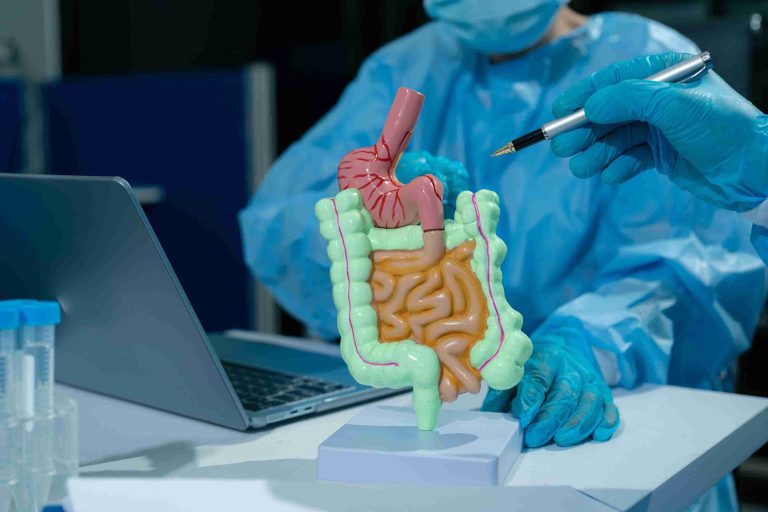
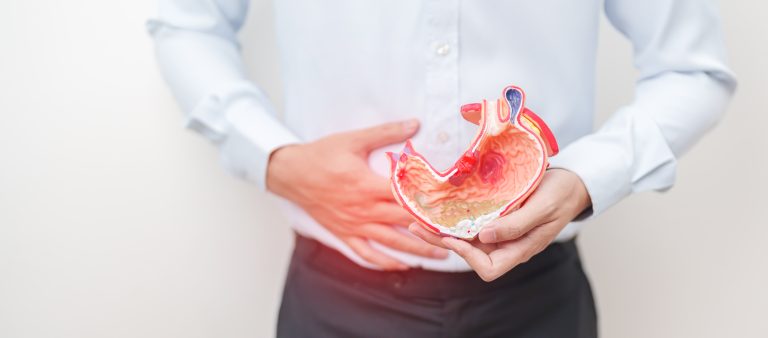
An endoscopy is one of the most valuable diagnostic procedures in modern medicine, allowing doctors to visualize the inside of the digestive tract and detect abnormalities that might otherwise go unnoticed. Whether you’re experiencing unexplained symptoms like abdominal pain, difficulty swallowing, or chronic acid reflux, or you have a history of gastrointestinal conditions, knowing how often to get an endoscopy can be crucial for early detection and treatment. However, the frequency of this procedure depends on your health condition, risk factors, and previous test results.
Understanding Endoscopy
An endoscopy is a medical procedure that uses a thin, flexible tube equipped with a light and camera—called an endoscope—to view the interior lining of your digestive tract. There are several types, each targeting specific areas:
- Upper endoscopy (esophagogastroduodenoscopy or EGD): Examines the esophagus, stomach, and upper part of the small intestine.
- Colonoscopy: Focuses on the large intestine (colon) and rectum.
- Sigmoidoscopy: Looks at the lower part of the colon.
- Capsule endoscopy: Involves swallowing a small capsule with a camera to capture images of the small intestine.
The main goal of an endoscopy is to detect, diagnose, and sometimes treat conditions like ulcers, inflammation, polyps, tumors, and bleeding in the gastrointestinal (GI) tract.
Why Doctors Recommend Endoscopy
Doctors recommend endoscopy for a variety of reasons. It can help identify the cause of persistent symptoms such as:
- Chronic heartburn or acid reflux
- Difficulty swallowing (dysphagia)
- Unexplained weight loss
- Persistent vomiting or nausea
- Gastrointestinal bleeding (black or bloody stools)
- Abdominal pain that doesn’t go away
Aside from diagnosis, an endoscopy can also be used to treat certain issues directly—such as removing polyps, controlling bleeding, or taking tissue samples for biopsy.
Routine vs. Diagnostic Endoscopy
It’s important to distinguish between a routine and a diagnostic endoscopy. A diagnostic endoscopy is performed when you have symptoms that need investigation. For instance, a person with long-term acid reflux might undergo an upper endoscopy to check for Barrett’s esophagus, a condition that increases the risk of esophageal cancer.
On the other hand, a routine surveillance endoscopy is done for individuals with known gastrointestinal conditions or those at high risk for developing them. The goal is to monitor changes and prevent complications through early detection.
How Often Should You Get an Endoscopy?
There is no universal schedule for endoscopy because the frequency depends heavily on your medical history, risk level, and specific digestive condition. Below are general recommendations for different scenarios:
1. For Healthy Individuals
If you are generally healthy and have no symptoms or family history of gastrointestinal disease, you typically don’t need a routine endoscopy. Preventive colonoscopies, however, are recommended for colorectal cancer screening—starting at age 45 and repeated every 10 years if no abnormalities are found. Upper endoscopy is not needed unless symptoms arise.
2. For GERD (Gastroesophageal Reflux Disease)
For individuals with chronic GERD, an upper endoscopy may be done to check for esophagitis (inflammation) or Barrett’s esophagus. If Barrett’s esophagus is not detected, and there are no alarm symptoms, most doctors recommend repeating the procedure every 3 to 5 years only if symptoms persist or worsen.
If Barrett’s esophagus is diagnosed, surveillance endoscopy is done more frequently—usually every 3 years for non-dysplastic Barrett’s and every 6 to 12 months if dysplasia (precancerous changes) is found.
3. For Peptic Ulcers
In patients with peptic ulcers, an endoscopy is performed initially to confirm diagnosis and assess severity. After treatment with medication (such as antibiotics for H. pylori infection and acid suppressants), a follow-up endoscopy is typically recommended after 6 to 8 weeks to ensure the ulcer has healed completely and to rule out malignancy, particularly in older adults.
4. For Gastric Polyps
When gastric polyps are detected, doctors often remove them during the first endoscopy. Depending on the type and number of polyps, follow-up endoscopies are done every 1 to 3 years to monitor recurrence or detect potential malignant transformation.
5. For Celiac Disease
For those diagnosed with celiac disease, an endoscopy with biopsy is used to confirm the diagnosis. Once on a strict gluten-free diet, a follow-up endoscopy may be performed after 12 to 24 months to ensure intestinal healing. After that, further procedures are generally not needed unless symptoms return.
6. For Stomach or Esophageal Cancer Surveillance
Patients with a history of stomach or esophageal cancer or precancerous conditions (like intestinal metaplasia or dysplasia) usually undergo endoscopy every 6 months to 1 year. This close surveillance helps detect recurrence or new cancerous changes at an early stage.
7. For Inflammatory Bowel Disease (IBD)
Individuals with Crohn’s disease or ulcerative colitis involving the colon may need colonoscopy surveillance every 1 to 2 years after 8 years of disease duration. This helps detect early colorectal cancer or precancerous lesions.
Factors That Influence Frequency
Several factors determine how often endoscopy should be repeated. These include:
- Age: Older adults are at higher risk for gastrointestinal cancers and may need more frequent monitoring.
- Family History: A family history of GI cancers increases the need for earlier and more frequent endoscopy.
- Lifestyle: Smoking, heavy alcohol use, and poor diet increase gastrointestinal disease risk.
- Previous Findings: If polyps, ulcers, or inflammation were found in past procedures, follow-up intervals are shorter.
- Symptoms: Recurring or worsening symptoms like pain, vomiting, or bleeding warrant an earlier check.
Ultimately, your doctor determines the ideal schedule based on clinical guidelines and your personal risk profile.
Is It Safe to Get Endoscopy Frequently?
Endoscopy is generally considered safe, even for repeated procedures. It’s minimally invasive, performed under sedation, and has a low risk of complications. The most common minor side effects include temporary throat discomfort (for upper endoscopy) or bloating. Serious complications such as bleeding or perforation are rare, occurring in less than 1% of cases.
However, frequent endoscopies should be done only when medically necessary, as unnecessary procedures can lead to added costs, anxiety, and exposure to sedation risks. That’s why adhering to evidence-based intervals is important.
What to Expect During an Endoscopy
During an upper endoscopy, you’ll be sedated for comfort while the doctor gently inserts the endoscope through your mouth to examine your esophagus, stomach, and small intestine. The procedure usually lasts 15 to 30 minutes. If abnormalities are found, the doctor may take a small tissue sample (biopsy) for testing.
After the procedure, you’ll recover from sedation for about an hour before going home. It’s normal to feel bloated or have a mild sore throat afterward, but these symptoms fade within a day.
For colonoscopy, preparation involves fasting and taking a bowel-cleansing solution the day before to ensure a clear view of the colon. Both procedures provide invaluable information about digestive health.
When to See a Doctor Sooner
Even if you’re not due for another endoscopy, new or worsening symptoms should never be ignored. See your doctor immediately if you experience:
- Blood in stool or black, tarry stools
- Unexplained weight loss
- Persistent abdominal pain or bloating
- Difficulty swallowing
- Chronic vomiting or nausea
- Family history of gastrointestinal cancer
These may signal a condition that needs immediate evaluation through endoscopy or other imaging tests.
Conclusion
So, how often should you get an endoscopy? The answer depends entirely on your health status, history, and symptoms. For healthy individuals, endoscopy is usually performed only when necessary. For those with chronic digestive diseases or higher cancer risk, regular monitoring through periodic endoscopy can be life-saving.
The key is personalized care—working with your doctor to determine the right interval for your situation. By following medical advice and keeping up with recommended screenings, you can catch potential problems early and protect your digestive health for years to come.