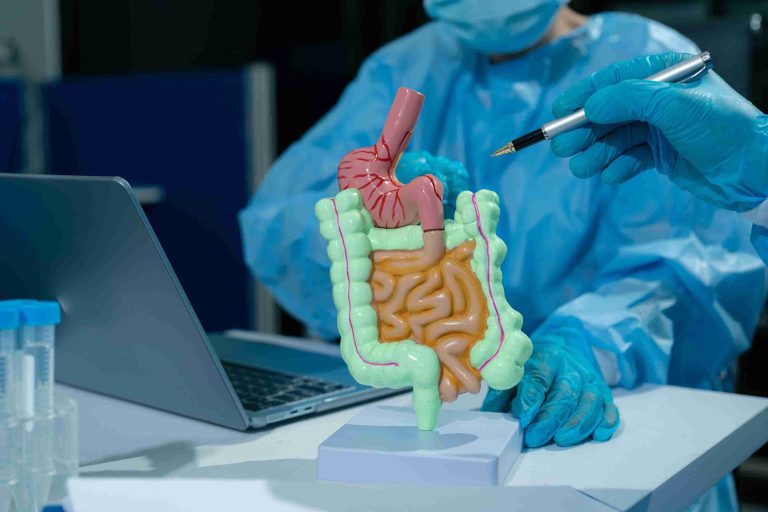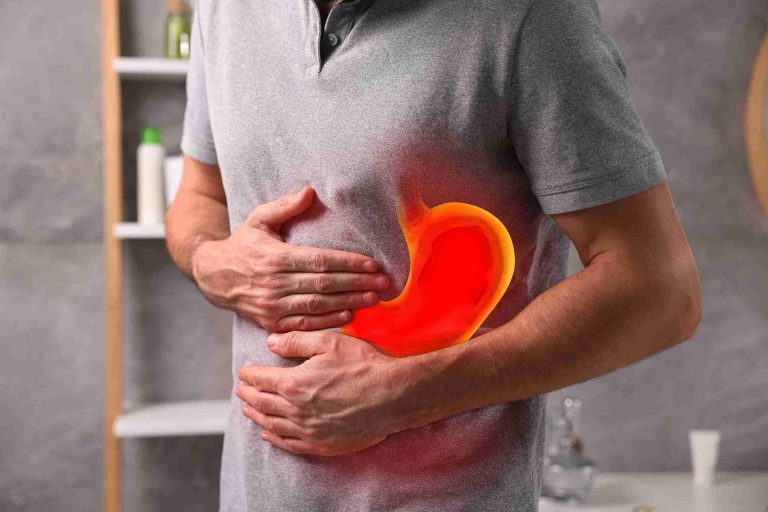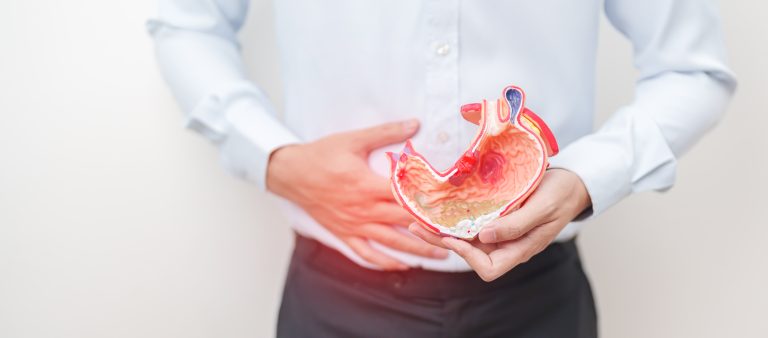
Gastroscopy is a common medical procedure used to examine the upper digestive tract, including the esophagus, stomach, and the beginning of the small intestine. While it is an essential tool for diagnosing various conditions, many people feel anxious or fearful about the discomfort associated with the procedure.
The good news is that gastroscopy can be pain-free and much more comfortable with the right preparation and approach. This article will provide useful tips to help patients experience a pain-free gastroscopy and ease the anxiety surrounding the procedure.
Understanding What Gastroscopy Involves
Gastroscopy is a procedure where a thin, flexible tube called an endoscope is passed through the mouth and down the throat to allow a doctor to view the lining of the upper digestive tract. It helps identify problems like ulcers, inflammation, tumors, and sources of bleeding.
Many patients worry about pain or gagging during the exam, but modern gastroscopy techniques are designed to minimize discomfort. The procedure is usually quick, lasting only 5 to 10 minutes, and sedation options are available to make the experience more tolerable.
Knowing what to expect can significantly reduce anxiety and help patients cooperate better during the exam.
The Importance of Proper Preparation
One of the most important steps toward a pain-free gastroscopy is following the preparation instructions given by your healthcare provider.
Typically, you will be asked to fast for 6 to 8 hours before the procedure to ensure your stomach is empty. An empty stomach reduces the risk of vomiting and aspiration, which can cause discomfort and complications.
Avoiding food and drink during this time also helps improve visibility during the examination, allowing the doctor to perform a thorough check. Taking the time to prepare correctly can prevent complications and ensure the procedure goes smoothly and comfortably.
Choosing the Right Sedation Option
Sedation is a key factor in ensuring a pain-free gastroscopy. There are several sedation options available depending on your health, anxiety levels, and preferences.
Local anesthetic sprays or gels are commonly used to numb the throat, reducing the gag reflex and making it easier to insert the endoscope. This method is effective for many patients and allows them to stay awake and alert.
For those who experience high anxiety or prefer to be more relaxed, conscious sedation with medications such as midazolam can be administered. This helps patients feel drowsy and less aware of the procedure while maintaining their ability to respond to instructions.
In some cases, deeper sedation or general anesthesia may be used, particularly if other medical conditions are present or the procedure is expected to be more complex. Discussing sedation options with your doctor beforehand allows you to choose the best approach for a pain-free experience.
Relaxation Techniques Before and During the Procedure
Managing anxiety and stress is critical to reducing discomfort during a gastroscopy procedure. Practicing relaxation techniques before the procedure can help calm your mind and body. Deep breathing exercises, progressive muscle relaxation, or visualization can lower stress levels and decrease sensitivity to discomfort.
Listening to calming music or guided meditation before and after the procedure may also help reduce anxiety. During the exam, focusing on slow, steady breathing can prevent gagging and make swallowing the endoscope easier.
If you feel tense, alert your medical team, who are experienced in helping patients stay calm and comfortable.
Communicating Openly with Your Medical Team
Open communication with your healthcare providers before and during gastroscopy is vital to ensure a pain-free experience. Tell your doctor or nurse about any fears, past experiences, or medical conditions that could affect the procedure. This information helps them tailor sedation and monitoring to your needs.
If you experience discomfort or difficulty during the exam, let the team know immediately. They can pause, adjust sedation, or try different techniques to ease your discomfort. Trust in your medical team’s experience and willingness to make the procedure as comfortable as possible.
The Role of Distraction and Comfort Measures
Distraction techniques can also play a role in reducing discomfort during a gastroscopy exam. Some clinics offer virtual reality headsets or allow patients to watch videos or listen to music during the procedure. These distractions help shift focus away from the sensation of the endoscope.
Comfort measures such as warming blankets or adjusting the examination room’s lighting and temperature can make the environment less stressful. Using small throat lozenges before the procedure, if approved by your doctor, may soothe the throat and reduce sensitivity. Combining these strategies can create a more pleasant experience overall.
Post-Procedure Tips for Comfort and Recovery
After the gastroscopy, it’s normal to experience a mild sore throat or bloating, but these symptoms usually resolve quickly. Drinking warm water or herbal tea can soothe throat irritation. Avoiding alcohol, caffeine, and spicy foods for a day or two may also help.
Follow any dietary recommendations provided by your healthcare provider to ensure proper recovery. If sedation was used, arrange for someone to drive you home and avoid operating machinery or making important decisions for the rest of the day.
Contact your doctor if you experience severe pain, difficulty swallowing, persistent vomiting, or signs of infection such as fever.
Preparing Mentally for a Pain-Free Gastroscopy
Mental preparation is just as important as physical preparation. A positive mindset can significantly influence how you perceive pain and discomfort. Educate yourself about the procedure and its benefits. Understanding why the gastroscopy is necessary can increase motivation and reduce fear.
Visualize the procedure going smoothly and focus on the fact that discomfort is temporary and manageable. Talking to others who have had a gastroscopy can provide reassurance and practical tips. Remember that gastroscopy is a valuable diagnostic tool that can lead to better health outcomes.
When to Consider Alternative Procedures
In some rare cases, patients may find gastroscopy extremely uncomfortable despite all efforts to make it pain-free.
If this happens, talk to your healthcare provider about alternative diagnostic methods such as capsule endoscopy or imaging tests. While these options may not replace gastroscopy entirely, they can sometimes provide helpful information.
Choosing the right procedure for your needs and comfort level is important. Never hesitate to express your concerns and seek solutions that work for you.
Conclusion
Gastroscopy is a vital procedure for diagnosing conditions of the upper digestive tract, and it can be performed in a way that minimizes discomfort and pain. Proper preparation, including fasting and choosing the right sedation, plays a major role in ensuring a smooth experience.
Relaxation techniques and open communication with your medical team help reduce anxiety and manage discomfort during the exam. Using distraction methods and comfort measures can make the environment more pleasant and less intimidating.
Post-procedure care is important for quick recovery, and mental preparation can improve your overall experience. If you or your loved ones are facing gastroscopy, following these tips can make the procedure pain-free and help you focus on the benefits of early diagnosis and effective treatment.
With the right support and preparation, gastroscopy does not have to be a painful or frightening experience. It can be a manageable, even routine, step in maintaining digestive health.