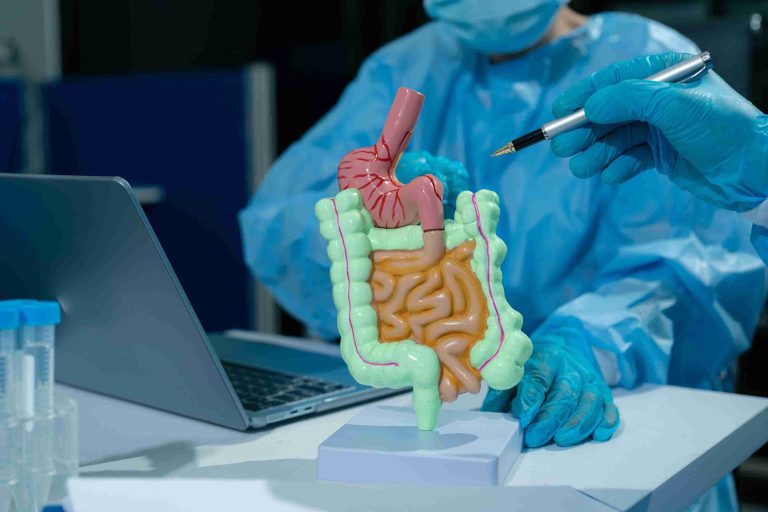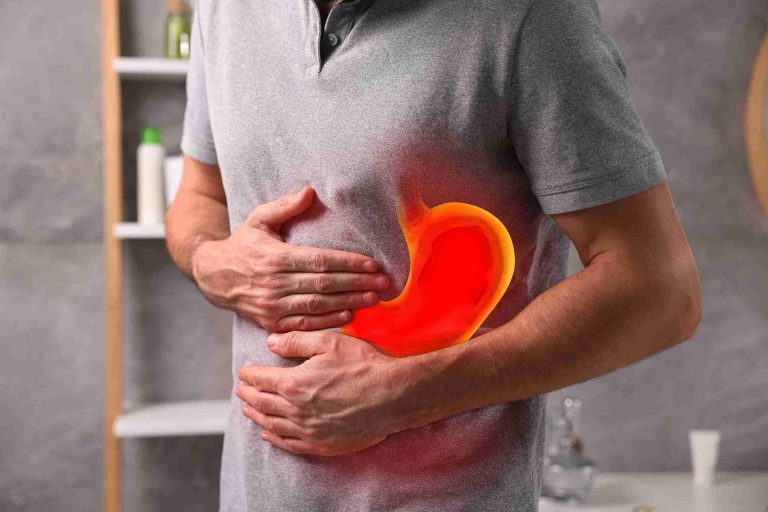
Abdominal pain is a common complaint that affects people of all ages. It can range from mild discomfort to severe, debilitating pain. Most cases of abdominal pain resolve with appropriate treatment, whether it’s medication, lifestyle changes, or minor interventions.
However, sometimes the pain persists despite treatment, leaving patients frustrated and concerned about what might be causing the ongoing discomfort.
This article explores the reasons why abdominal pain might continue despite treatment, what steps you should take if your pain does not improve, and how to work with your healthcare provider to identify the underlying cause and find effective relief.
Understanding Persistent Abdominal Pain
Abdominal pain can be caused by a wide variety of conditions. It may originate from the digestive system, urinary tract, reproductive organs, or even musculoskeletal structures. In some cases, abdominal pain is acute and self-limiting, while in others, it may become chronic or recurrent.
When abdominal pain persists despite treatment, it often indicates that the underlying cause has not been fully addressed or correctly diagnosed. Treatment failure can happen for many reasons, such as incorrect initial diagnosis, incomplete treatment, or a more complex health condition that requires specialized care.
Common Causes of Persistent Abdominal Pain
If you continue to experience abdominal pain even after following your doctor’s recommendations, it is important to consider several potential causes.
- Gastrointestinal Disorders: Conditions such as irritable bowel syndrome (IBS), inflammatory bowel disease (IBD), gastritis, or peptic ulcers can cause ongoing pain. Sometimes the symptoms overlap or change over time, making diagnosis challenging.
- Functional Abdominal Pain: In some cases, no structural or biochemical abnormality is found, but patients still experience real pain. This is called functional abdominal pain, often related to nerve sensitivity or muscle spasms.
- Infections: Persistent infections like Helicobacter pylori or parasitic infections may not resolve with initial treatment, leading to ongoing symptoms.
- Gallbladder or Pancreatic Issues: Problems like gallstones or chronic pancreatitis can cause recurring abdominal pain that may not respond well to standard treatments without further intervention.
- Gynecological Conditions: For women, conditions such as endometriosis, ovarian cysts, or pelvic inflammatory disease can cause persistent lower abdominal pain.
- Medication Side Effects: Sometimes the medications used to treat abdominal pain or other conditions can cause gastrointestinal side effects that worsen or prolong symptoms.
When to Reassess Your Diagnosis
If abdominal discomfort does not improve within the expected timeframe, it is crucial to revisit your diagnosis with your healthcare provider. Persistent pain means the initial diagnosis may need to be reconsidered or additional tests might be necessary.
Diagnostic tests such as blood work, ultrasound, CT scans, endoscopy, or colonoscopy can help uncover hidden causes of pain. In some cases, referral to a specialist like a gastroenterologist, gynecologist, or pain management expert is needed for further evaluation.
Don’t hesitate to share detailed information about your pain, including when it occurs, its severity, duration, and any triggers or relieving factors. This information can help your doctor tailor investigations and treatments more effectively.
Managing Persistent Abdominal Pain: Treatment Options
Once the cause of persistent abdominal pain is identified, treatment can be adjusted accordingly. The approach may include medications, lifestyle modifications, physical therapy, or sometimes surgical intervention.
For example, if IBS is diagnosed, treatment may focus on diet changes, stress management, and medications to regulate bowel function. If infections are identified, targeted antibiotics or antiparasitic drugs might be prescribed.
Pain management is also essential, especially if the pain is chronic. Your healthcare provider may recommend medications such as antispasmodics, analgesics, or low-dose antidepressants that can help reduce pain signals. Non-pharmacological therapies like acupuncture, cognitive-behavioral therapy, or relaxation techniques might also play a role.
When to Seek Urgent Medical Attention
Although persistent abdominal pain is often related to chronic conditions, certain symptoms require immediate medical evaluation. If your abdominal pain is accompanied by any of the following signs, you should seek emergency care:
- Severe, sudden onset of pain
- Abdominal swelling or bloating that worsens quickly
- Vomiting blood or passing blood in stools
- High fever with chills
- Persistent vomiting leading to dehydration
- Difficulty breathing or chest pain
These symptoms could indicate serious complications such as bowel obstruction, perforation, infection, or internal bleeding.
Lifestyle and Self-Care Strategies to Support Healing
While working with your healthcare team is essential, there are also self-care measures you can take to help manage persistent abdominal pain. Maintaining a balanced diet that avoids known irritants like spicy or fatty foods can reduce gastrointestinal distress. Staying hydrated and eating smaller, more frequent meals may also help.
Regular exercise can improve digestion and reduce stress, which is often a contributing factor to abdominal pain. However, avoid heavy exercise if it worsens your symptoms. Stress management techniques such as meditation, yoga, or deep breathing exercises can be beneficial, especially for those whose pain is linked to functional or stress-related causes.
Keeping a pain diary to track your symptoms, triggers, and responses to treatments can provide valuable insights for both you and your doctor.
Communicating Effectively With Your Healthcare Provider
Open and honest communication with your healthcare provider is critical when abdominal pain persists. Make sure to report all symptoms, even those you think might be unrelated. Ask questions about the possible causes of your pain and what additional tests or treatments might be needed. Discuss any concerns about medications or side effects you are experiencing. If you feel your pain is not being adequately addressed, consider seeking a second opinion or asking for a referral to a specialist.
Understanding the Psychological Impact of Persistent Abdominal Pain
Living with ongoing abdominal pain can take a toll on your mental health. Chronic pain often leads to anxiety, depression, and a decreased quality of life. Recognizing this connection is important. Your healthcare provider may suggest counseling or therapy to help you cope with the emotional effects of chronic pain.
Support groups or pain management programs can also provide encouragement and practical advice for dealing with persistent symptoms.
The Importance of Patience and Persistence
Treating persistent abdominal pain can be a complex and sometimes lengthy process. It may take time to identify the underlying cause and find the most effective treatment.
Patience and persistence are essential during this journey. Following your treatment plan, attending follow-up appointments, and maintaining open communication with your healthcare team will improve your chances of success.
Remember that abdominal pain is a symptom, not a disease itself. Focusing on uncovering and managing the root cause is the key to lasting relief.
Conclusion
When abdominal pain continues despite treatment, it is a signal that further evaluation and possibly a change in management are needed. Persistent abdominal pain can arise from various causes, and addressing it requires a comprehensive approach involving careful diagnosis, appropriate treatment, lifestyle adjustments, and emotional support.
If you experience ongoing abdominal pain, do not ignore it or suffer in silence. Reach out to your healthcare provider, advocate for yourself, and work together to find answers and relief. Persistent pain is challenging, but with the right care and support, you can improve your quality of life and regain control over your health.