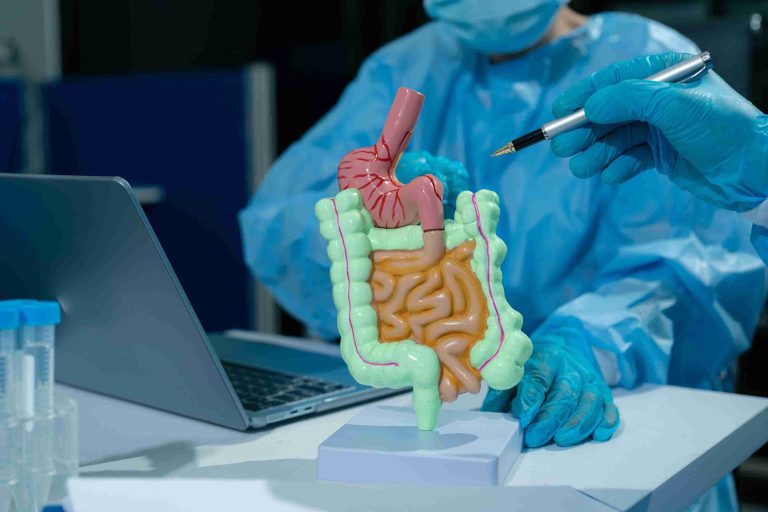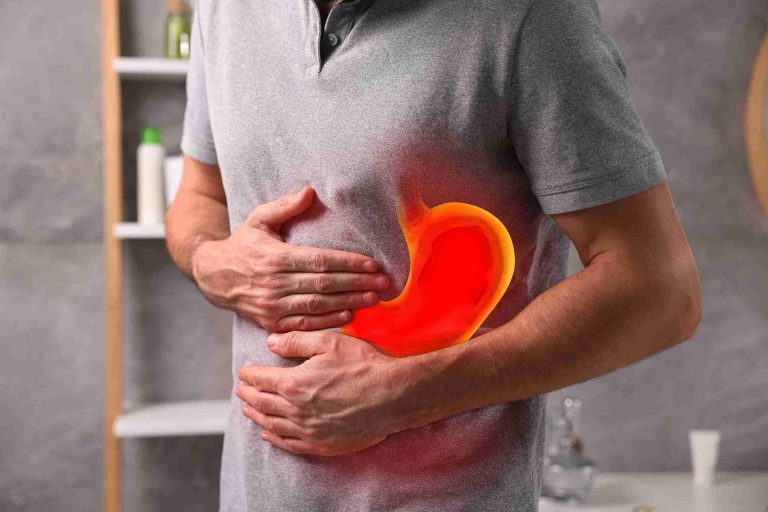
When it comes to identifying and treating precancerous growths in the digestive tract, early intervention can be a life-saving step. One minimally invasive procedure that plays a vital role in this process is Endoscopic Mucosal Resection (EMR). It allows doctors to remove abnormal tissue, such as polyps or early-stage cancer, from the lining of the gastrointestinal tract without the need for traditional surgery.
Used primarily during an endoscopy, EMR is an effective and safe method that offers both diagnostic and therapeutic benefits. This article will help you understand what EMR is, when it is needed, how it works, and what to expect before, during, and after the procedure.
What Is Endoscopic Mucosal Resection?
Endoscopic Mucosal Resection is a procedure performed during an endoscopy that allows doctors to remove larger or suspicious polyps from the inner lining of the digestive tract. These polyps can be found in the esophagus, stomach, colon, or rectum and may develop into cancer if not removed.
The technique involves lifting the polyp or lesion away from the deeper layers of the gastrointestinal wall using a fluid injection, then snaring and removing it with a specialized tool. The removed tissue is then sent to a lab for analysis.
EMR is considered a safe and less invasive alternative to surgery, especially when dealing with early-stage abnormalities that haven’t spread beyond the mucosal layer.
Why Is EMR Used?
Doctors often recommend EMR when they find larger or flat polyps during a routine endoscopy or colonoscopy that cannot be removed safely with standard polyp removal techniques. These types of growths may be more challenging because of their size, location, or irregular shape.
EMR is used both to treat and to diagnose. If a lesion looks suspicious, EMR allows for complete removal and microscopic examination, helping determine if cancer is present or if additional treatment is necessary.
In cases of early-stage gastrointestinal cancers, EMR may be curative. By removing the affected tissue before the cancer has a chance to spread deeper or to other areas, the need for more aggressive treatments like surgery or chemotherapy can sometimes be avoided.
How Is EMR Performed?
EMR is typically done as an outpatient procedure and is carried out during a diagnostic endoscopy or colonoscopy. The process usually follows these steps:
First, the patient is given sedation to keep them comfortable and relaxed. A thin, flexible tube called an endoscope is inserted through the mouth (for upper GI polyps) or rectum (for lower GI polyps). The endoscope has a light and a camera, allowing the doctor to see the inside of the digestive tract in real time.
Once the target lesion is identified, a fluid is injected beneath it to lift it away from the deeper muscle layers. This creates a cushion and helps reduce the risk of damage to surrounding tissue.
Then, a wire loop or snare is used to grasp and remove the polyp. In some cases, the polyp may be removed in small sections if it is too large to extract all at once. The tissue is collected and sent to pathology for further examination.
The procedure usually takes 30 to 60 minutes, depending on the size and number of polyps being removed.
What Are the Benefits of EMR?
There are several benefits to using EMR as part of an endoscopy-based treatment plan. First and foremost, it is less invasive than traditional surgery. Patients often go home the same day and experience faster recovery times with fewer complications.
Because EMR allows for complete removal of suspicious tissue, it offers a more accurate diagnosis and lowers the risk of recurrence. It is especially helpful for polyps that are larger than 2 centimeters, which may otherwise require surgery.
Another benefit is that EMR preserves the structure and function of the digestive tract. Unlike surgery, which may involve removing part of the colon or stomach, EMR targets only the abnormal tissue, leaving the rest of the organ intact.
Finally, EMR has a high success rate when performed by skilled specialists, and most patients tolerate the procedure well with minimal discomfort.
Are There Any Risks?
As with any medical procedure, there are risks involved with EMR, but they are generally low. The most common risks include bleeding, perforation of the gastrointestinal wall, and infection.
Bleeding can occur during or after the procedure but is usually managed quickly by the medical team. If bleeding occurs after the patient has gone home, they should contact their doctor immediately.
Perforation, or a small tear in the wall of the digestive tract, is rare but may require additional treatment, including surgery in some cases. Infection is uncommon, especially when the procedure is performed under sterile conditions. Patients may be given antibiotics if there is any concern about infection risk.
Most side effects are mild and resolve within a few days. These can include abdominal discomfort, bloating, or a temporary change in bowel habits.
What to Expect Before the Procedure
Preparation for EMR depends on the location of the polyp. For colon polyps, patients will need to undergo bowel preparation similar to what is required before a colonoscopy. This involves drinking a special solution to clear the colon of stool so that the doctor can see clearly during the endoscopy procedure.
For upper gastrointestinal polyps, fasting for several hours before the procedure is usually necessary. The doctor will provide detailed instructions ahead of time to ensure proper preparation.
Patients should inform their doctor about all medications they are taking, especially blood thinners, as these may need to be paused to reduce the risk of bleeding. A thorough discussion of any allergies, past surgeries, or medical conditions is also important to ensure a safe experience.
Recovery After EMR
Most patients recover quickly after EMR. Because the procedure is done under sedation, someone else will need to drive the patient home afterward.
Mild side effects such as bloating, gas, or cramping may be experienced, but these usually resolve within a day. Patients are often advised to avoid heavy lifting, strenuous activities, and certain foods for a short period while healing.
Follow-up appointments are important to monitor healing and ensure no additional treatment is needed. The results of the pathology report will help determine if the entire polyp was removed and whether further surveillance is necessary.
In some cases, a repeat endoscopy may be scheduled to check the area and confirm complete removal of abnormal tissue.
Who Should Perform EMR?
Because EMR is a specialized procedure, it should be performed by a gastroenterologist or endoscopist with experience in advanced endoscopic techniques. The success of the procedure and the risk of complications are closely linked to the skill and experience of the doctor.
Patients should feel comfortable asking about the doctor’s experience with EMR and the number of procedures they have performed. Being treated at a center that offers advanced endoscopy services can also provide access to the latest technology and post-procedure support.
Conclusion
Endoscopic Mucosal Resection is a valuable tool for safely removing polyps and other abnormal tissue from the gastrointestinal tract. It combines the diagnostic power of endoscopy with a minimally invasive approach to treatment, helping prevent the development of more serious conditions such as cancer.
By understanding the process, benefits, and potential risks, patients can make informed decisions about their care. For those diagnosed with larger or complex polyps, EMR offers a safe and effective alternative to surgery with the added benefit of a quicker recovery and preserved digestive function.
If you are scheduled for an endoscopy or your doctor has recommended EMR, don’t hesitate to ask questions and learn more about how this procedure can protect your health. Early detection and treatment are key to preventing complications and ensuring a better outcome.