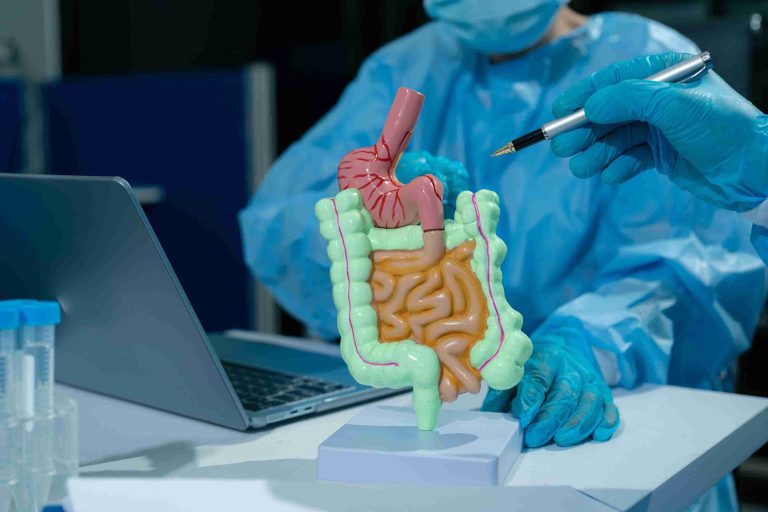
Many digestive problems start silently, showing little or no symptoms until they progress to a more advanced stage. Early detection is often the key to effective treatment, especially for conditions like gastritis, ulcers, or even stomach cancer. One valuable tool for identifying these problems is a gastroscopy, a procedure that allows doctors to directly examine the lining of the esophagus, stomach, and upper small intestine. Understanding the benefits of early gastroscopy screening can help you make informed decisions about your digestive health and overall well-being.
What Is a Gastroscopy?
A gastroscopy, also known as an upper endoscopy, involves inserting a thin, flexible tube with a small camera into the mouth and down the esophagus to view the stomach and upper part of the small intestine. It is a safe and widely used diagnostic procedure that provides a clear and detailed view of the digestive tract.
Unlike imaging tests like X-rays or ultrasounds, a gastroscopy allows direct visualization of the inner lining of these organs, making it possible to detect even subtle abnormalities. During the procedure, doctors can also take tissue samples (biopsies) or perform minor treatments, such as removing small growths or stopping bleeding.
Gastroscopy is typically performed under mild sedation, so patients remain comfortable and often have little memory of the procedure. It is an outpatient procedure, meaning you can go home the same day and return to normal activities shortly after.
Detecting Problems Before Symptoms Appear
One of the biggest benefits of early gastroscopy screening is the ability to detect digestive problems before they cause noticeable symptoms. Conditions such as gastritis, Barrett’s esophagus, and early-stage stomach cancer may not produce clear warning signs initially. By the time symptoms like pain, bloating, or weight loss appear, the condition may already be more advanced and harder to treat.
Early screening can identify inflammation, erosion, or abnormal tissue changes at a stage when treatment is simpler and more effective. For example, detecting and removing precancerous lesions early can prevent them from developing into malignant tumors. Similarly, diagnosing infections like Helicobacter pylori can lead to timely treatment with antibiotics, reducing the risk of ulcers and stomach cancer later on.
This proactive approach provides peace of mind, especially for individuals with risk factors such as a family history of gastric cancer, persistent acid reflux, or chronic use of medications that irritate the stomach lining.
Reducing the Risk of Serious Complications
Ignoring persistent digestive issues can lead to serious complications over time. Untreated ulcers may cause bleeding or perforation, while chronic acid reflux can lead to precancerous changes in the esophagus. By undergoing a gastroscopy procedure early, these conditions can be diagnosed and managed before they progress to more dangerous stages.
For example, if a patient has ongoing acid reflux, a gastroscopy test can detect whether the esophagus has developed Barrett’s esophagus, a condition that increases the risk of esophageal cancer. Identifying this condition early allows for regular monitoring and treatment to reduce the likelihood of cancer development.
Similarly, individuals who experience unexplained anemia may benefit from an early gastroscopy exam to check for hidden bleeding in the stomach or upper intestine. Detecting the cause early prevents further blood loss and more serious health problems.
Tailoring Treatment Plans Effectively
Another key advantage of early gastroscopy screening is the ability to tailor treatment plans more effectively. When doctors can directly see the condition of the stomach and esophagus, they can recommend the most appropriate therapy based on accurate findings.
For example, a person with mild gastritis may only need lifestyle changes and acid-reducing medications, while someone with more extensive damage might require a different treatment approach. Early detection of problems also allows for less invasive treatments, avoiding the need for complex surgeries or long-term hospital stays.
In addition, the ability to collect biopsies during gastroscopy helps identify specific infections, inflammatory conditions, or cancerous changes. This precise diagnosis ensures that patients receive targeted therapy rather than generalized treatment, improving outcomes and reducing unnecessary medication use.
Who Should Consider Early Screening?
While not everyone needs a gastroscopy, certain individuals benefit from early screening due to higher risk factors. People with a strong family history of stomach or esophageal cancer, chronic acid reflux, or long-term use of painkillers like NSAIDs should discuss screening with their doctor.
Individuals who have persistent digestive symptoms such as unexplained weight loss, difficulty swallowing, nausea, vomiting, or black stools should also consider the procedure. In some countries, gastroscopy screening is recommended as part of preventive health checkups for adults over a certain age, especially in regions where gastric cancer is more common.
Even those without obvious symptoms may choose early gastroscopy screening for peace of mind, especially if they have lifestyle factors like smoking, heavy alcohol consumption, or diets high in processed and salty foods, which increase the risk of stomach problems.
Improving Long-Term Digestive Health
Early gastroscopy screening is not only about detecting serious conditions; it also helps improve overall digestive health. By identifying mild issues early, such as irritation caused by diet, stress, or medications, patients can make timely lifestyle adjustments to prevent worsening symptoms.
It also provides reassurance for those who worry about their digestive symptoms. Knowing that the stomach and esophagus are healthy can reduce anxiety and help patients focus on other aspects of their well-being. Regular screenings, when appropriate, build a proactive approach to health rather than waiting for problems to become severe.
Moreover, early detection and management can lower healthcare costs in the long run. Treating advanced disease often requires hospitalization, surgery, or prolonged medication use, which can be more expensive and disruptive compared to managing a problem in its earliest stages.
Safety and Comfort of the Procedure
Some people hesitate to undergo gastroscopy because they fear discomfort or complications. However, the procedure is generally safe, quick, and well-tolerated. With modern sedation techniques, most patients experience minimal discomfort and recover quickly afterward. Complications are rare, especially when the procedure is done by experienced specialists in a well-equipped facility.
The reassurance of knowing what is happening inside the digestive tract far outweighs the temporary inconvenience of the test. Many patients report relief after the procedure, as they gain a clear understanding of their digestive health and can move forward with appropriate treatment if needed.
Conclusion
The benefits of early gastroscopy screening are clear—it allows for the detection of hidden digestive problems, reduces the risk of serious complications, and ensures timely, targeted treatment. For those at higher risk or with persistent symptoms, early screening can be life-saving and provide peace of mind.
By taking a proactive approach to digestive health, you can catch potential issues before they become severe, improve treatment outcomes, and maintain better long-term well-being. Discussing your individual risk factors and concerns with your doctor is the first step toward deciding if early gastroscopy screening is right for you.