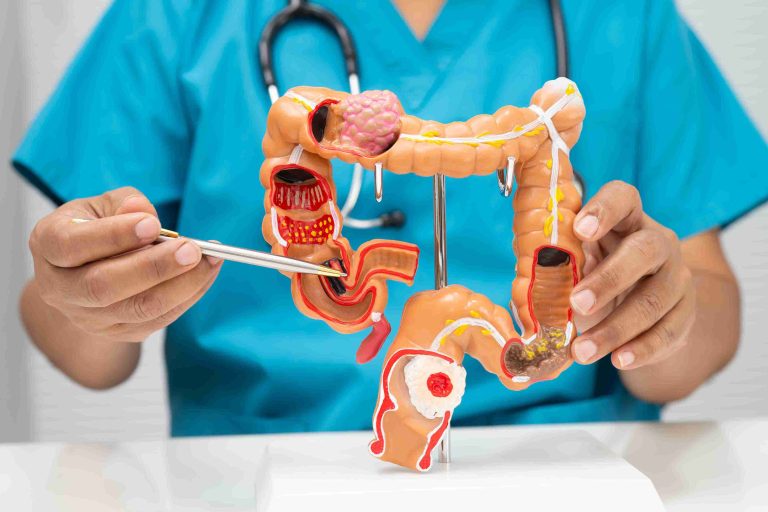
Discovering blood in stools can be a distressing experience. It often triggers anxiety and fear, as individuals may immediately associate it with serious health conditions. The uncertainty of the cause and potential implications can lead to heightened stress, affecting daily life and overall mental well-being. Recognizing and addressing these emotional responses is crucial for coping effectively.
While blood in stools can be a sign of various conditions, ranging from minor issues like hemorrhoids to more severe concerns like gastrointestinal bleeding, the emotional burden it carries is significant.
Feelings of helplessness, frustration, or even embarrassment may arise, making it essential to adopt strategies to manage these emotions. It is important to understand that experiencing health anxiety is a normal response, and seeking ways to manage it can improve overall well-being.
Acknowledging and Managing Anxiety
Anxiety is a common response to unexpected health symptoms. The sight of blood in stools can immediately trigger worst-case scenario thinking, leading to excessive worry and stress. To manage this anxiety effectively, consider the following approaches:
- Stay informed but avoid self-diagnosis: It is natural to seek answers online, but excessive searching can lead to misinformation and increased anxiety. Instead, rely on trusted medical sources and seek professional advice.
- Practice mindfulness techniques: Engaging in deep breathing exercises, meditation, or progressive muscle relaxation can help calm anxious thoughts and promote emotional stability.
- Limit exposure to distressing content: Avoid reading alarming medical stories or engaging in discussions that intensify fear. Focusing on balanced, fact-based information will provide a more rational perspective.
- Engage in positive self-talk: Instead of focusing on negative thoughts, practice affirmations that reinforce resilience and hope. Reminding yourself that you are taking proactive steps to address the situation can help in managing stress.
- Seek distractions: Engaging in a hobby, reading a book, or spending time with loved ones can help shift focus away from overwhelming thoughts.
Seeking Medical Guidance for Peace of Mind
One of the most effective ways to ease emotional distress is to consult a healthcare professional. A doctor can assess the potential causes of blood in stools and recommend appropriate diagnostic tests. Knowing that you are taking proactive steps toward identifying the issue can significantly reduce anxiety.
When discussing symptoms with a doctor, being open and honest about emotional concerns can be beneficial. Many healthcare providers understand the psychological impact of health issues and can offer reassurance or refer patients to support services if needed.
It is also helpful to prepare for the consultation by writing down any symptoms, questions, or concerns to discuss with the doctor. This approach can provide a sense of control and structure, making the visit more productive.
Additionally, if further medical tests are required, understanding the process and what to expect can help alleviate fear. Asking the doctor to explain the tests in detail and discussing possible outcomes can provide reassurance. Remember that early detection and diagnosis can lead to more effective treatment options and better health outcomes.
Emotional Support from Loved Ones
Coping with health concerns is often easier with a strong support system. Family members, close friends, or even support groups can provide comfort during times of uncertainty. Sharing feelings and concerns with trusted individuals can help alleviate emotional stress.
In cases where discussing the issue with loved ones feels uncomfortable, seeking the guidance of a mental health professional can be a valuable alternative. Therapists or counselors can offer coping strategies tailored to individual emotional needs.
Support groups, both in-person and online, can also be helpful as they provide a space to connect with others who have experienced similar concerns. Knowing that others have gone through similar situations and found ways to cope can be reassuring.
Lifestyle Adjustments for Emotional Well-Being
Maintaining a healthy lifestyle plays a crucial role in emotional resilience. Small but impactful lifestyle adjustments can make a difference in how one copes with stress and uncertainty related to health issues.
- Balanced diet and hydration: Eating a fiber-rich diet and staying hydrated can aid digestive health, reducing the likelihood of conditions that contribute to blood in stools. Foods high in fiber, such as whole grains, fruits, and vegetables, can promote regular bowel movements and prevent constipation.
- Regular physical activity: Exercise releases endorphins, which help counteract stress and anxiety. Engaging in activities such as walking, yoga, or swimming can improve overall mood. Physical movement also contributes to better digestion, which may help alleviate some digestive concerns.
- Adequate rest: Ensuring sufficient sleep allows the body and mind to recover, improving emotional balance and reducing anxiety levels. Sleep deprivation can exacerbate feelings of stress and anxiety, making it essential to establish a consistent sleep routine.
- Engaging in hobbies: Participating in enjoyable activities can serve as a healthy distraction, providing relief from distressing thoughts. Activities such as painting, playing a musical instrument, or gardening can help refocus the mind and bring a sense of calm.
- Limiting caffeine and alcohol consumption: Stimulants like caffeine and alcohol can heighten feelings of anxiety and disrupt sleep patterns. Reducing intake can contribute to a more stable emotional state.
Cultivating a Positive Mindset
It is essential to shift focus from fear to empowerment. Viewing health concerns as an opportunity for proactive care rather than an impending crisis can be a powerful mindset shift. Practicing gratitude, focusing on aspects of life that bring joy, and maintaining realistic optimism can help manage emotional stress.
Journaling feelings or tracking symptoms in a non-obsessive way can also provide a sense of control. This approach allows individuals to recognize patterns and progress while giving doctors useful information during consultations. Writing about emotions can be therapeutic, helping to process thoughts and feelings constructively.
Additionally, focusing on what can be controlled—such as maintaining a healthy diet, staying active, and attending medical appointments—rather than dwelling on uncertainties can contribute to a greater sense of peace. Understanding that health concerns do not define one’s overall well-being is key to fostering a positive mindset.
When to Seek Professional Mental Health Support
In some cases, the emotional impact of blood in stools may become overwhelming, leading to persistent anxiety, depression, or difficulty managing daily responsibilities. If emotions become too difficult to handle, seeking help from a mental health professional is advisable. Therapy or counseling can offer valuable coping mechanisms and strategies for emotional regulation.
Additionally, if health concerns trigger past traumatic experiences or deep-seated fears, addressing these through professional support can provide long-term emotional relief. Seeking therapy does not indicate weakness but rather a proactive approach to managing emotional well-being. Cognitive-behavioral therapy (CBT) and mindfulness-based therapy are effective in addressing health-related anxiety.
Conclusion
The experience of seeing blood in stools can be unsettling, but understanding how to manage the emotional toll is just as important as addressing the physical cause. Acknowledging anxiety, seeking medical reassurance, relying on emotional support, making lifestyle adjustments, and fostering a positive mindset can significantly ease distress.
If emotions become overwhelming, professional mental health support can offer additional guidance. By taking proactive steps in both physical and emotional health, individuals can navigate this experience with greater confidence and resilience. Through self-care, education, and support, it is possible to maintain a balanced emotional state while addressing health concerns effectively.