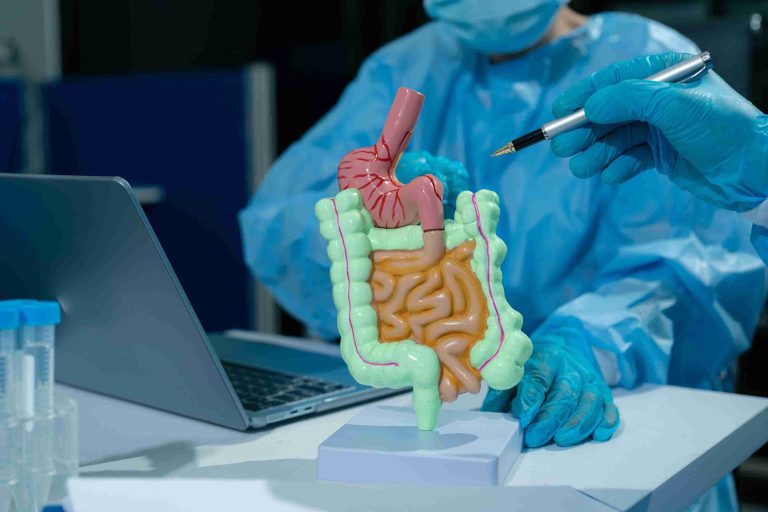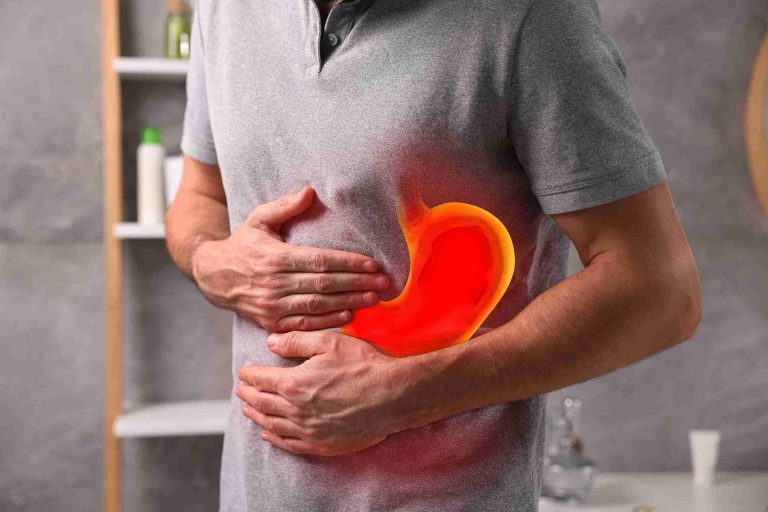
Gastric pain is a common symptom that many people experience at some point in their lives. While occasional stomach discomfort may be harmless and temporary, persistent gastric pain can be a sign of an underlying digestive disorder. Understanding the connection between gastric pain and digestive conditions is essential for timely diagnosis and effective treatment. This article explores the various digestive disorders associated with gastric pain, their symptoms, causes, and management strategies.
Understanding Gastric Pain
Gastric pain, also referred to as stomach pain or abdominal discomfort, can manifest in different ways. It may present as a dull ache, sharp cramp, burning sensation, or bloating. The pain can be localized to the upper abdomen or spread throughout the stomach area. The intensity and duration of gastric pain can vary depending on the underlying cause, ranging from mild and temporary to severe and chronic.
Common Digestive Disorders Associated with Gastric Pain
Several digestive disorders can lead to gastric pain. Identifying the root cause is crucial for effective treatment and long-term relief.
Gastroesophageal Reflux Disease (GERD)
GERD is a chronic digestive disorder that occurs when stomach acid frequently flows back into the esophagus, causing irritation and discomfort. Gastric pain associated with GERD is often described as a burning sensation in the upper abdomen or chest, commonly referred to as heartburn.
Other symptoms include regurgitation, difficulty swallowing, and a sour taste in the mouth. Lifestyle modifications, such as avoiding trigger foods, eating smaller meals, and sleeping with an elevated head, can help manage GERD symptoms. Medications like proton pump inhibitors (PPIs) and H2 blockers may also be prescribed.
Peptic Ulcers
Peptic ulcers are open sores that develop on the lining of the stomach or the upper part of the small intestine. They are primarily caused by the bacterium Helicobacter pylori (H. pylori) or long-term use of nonsteroidal anti-inflammatory drugs (NSAIDs).
Gastric pain due to peptic ulcers is often described as a burning or gnawing pain in the upper abdomen, which may worsen on an empty stomach. Treatment includes antibiotics to eradicate H. pylori, acid-reducing medications, and lifestyle changes to prevent recurrence.
Irritable Bowel Syndrome (IBS)
IBS is a functional gastrointestinal disorder that affects the large intestine and can cause gastric pain, bloating, cramping, diarrhea, and constipation. The exact cause of IBS remains unclear, but factors such as stress, diet, and gut microbiome imbalance may contribute to its symptoms. Management of IBS involves dietary modifications, stress reduction techniques, and medications to alleviate specific symptoms, such as antispasmodics and fiber supplements.
Gastritis
Gastritis refers to inflammation of the stomach lining, which can be acute or chronic. Common causes include excessive alcohol consumption, prolonged NSAID use, bacterial infections, and stress.
Gastric pain from gastritis may be accompanied by nausea, vomiting, bloating, and a feeling of fullness. Treatment depends on the underlying cause and may involve antibiotics, acid-suppressing medications, and lifestyle changes, such as avoiding spicy foods and reducing alcohol intake.
Gallbladder Disease
Gallbladder disease, including gallstones and cholecystitis (inflammation of the gallbladder), can cause gastric pain, particularly in the upper right abdomen. The pain may be triggered by fatty meals and accompanied by nausea, vomiting, and jaundice. Diagnosis typically involves imaging tests, such as ultrasound, and treatment may include dietary adjustments or gallbladder removal surgery in severe cases.
Celiac Disease
Celiac disease is an autoimmune disorder in which the ingestion of gluten triggers an immune response that damages the small intestine. Gastric pain, bloating, diarrhea, and weight loss are common symptoms of celiac disease. The only effective treatment is a strict gluten-free diet, which helps prevent symptoms and promotes intestinal healing.
Inflammatory Bowel Disease (IBD)
Inflammatory bowel disease, which includes Crohn’s disease and ulcerative colitis, is characterized by chronic inflammation of the gastrointestinal tract. Gastric pain in IBD is often accompanied by diarrhea, fatigue, and unintended weight loss. Treatment options include anti-inflammatory medications, immunosuppressants, and, in some cases, surgery.
How to Manage Gastric Pain Effectively
Managing gastric pain depends on its underlying cause. However, general strategies can help alleviate symptoms and improve digestive health.
Dietary Modifications
Eating a balanced diet plays a crucial role in preventing and managing gastric pain. Some key dietary recommendations include:
- Avoiding spicy, acidic, and fatty foods that may irritate the stomach lining.
- Eating smaller, more frequent meals to prevent excessive acid production.
- Incorporating fiber-rich foods to promote healthy digestion and prevent constipation.
- Drinking plenty of water to aid digestion and prevent dehydration.
Stress Management
Stress can exacerbate digestive disorders and contribute to gastric pain. Engaging in relaxation techniques, such as deep breathing exercises, meditation, and yoga, can help reduce stress and improve gut health.
Probiotics and Gut Health
Probiotics are beneficial bacteria that promote a healthy gut microbiome. Consuming probiotic-rich foods, such as yogurt, kefir, and fermented vegetables, or taking probiotic supplements may help reduce digestive discomfort and improve overall gut function.
Medical Interventions
For persistent or severe gastric pain, seeking medical advice is essential. Depending on the diagnosis, a healthcare provider may recommend medications such as:
- Antacids to neutralize stomach acid.
- Proton pump inhibitors (PPIs) to reduce acid production.
- Antibiotics to treat H. pylori infection.
- Anti-inflammatory drugs to manage conditions like IBD.
When to Seek Medical Attention
While mild gastric pain can often be managed with lifestyle modifications, certain symptoms warrant immediate medical attention. These include:
- Severe or persistent abdominal pain.
- Blood in stools or vomit.
- Unexplained weight loss.
- Difficulty swallowing.
- Chronic diarrhea or constipation.
- Jaundice (yellowing of the skin and eyes).
Early diagnosis and treatment of digestive disorders can prevent complications and improve overall health.
Conclusion
Gastric pain is a common symptom that can be linked to various digestive disorders, including GERD, peptic ulcers, IBS, gastritis, gallbladder disease, celiac disease, and IBD. Understanding the connection between gastric pain and these conditions is crucial for proper diagnosis and treatment.
By adopting a healthy diet, managing stress, and seeking medical guidance when necessary, individuals can effectively manage gastric pain and improve their digestive health. If you experience persistent or severe gastric pain, consulting a healthcare provider is essential for timely intervention and long-term relief.