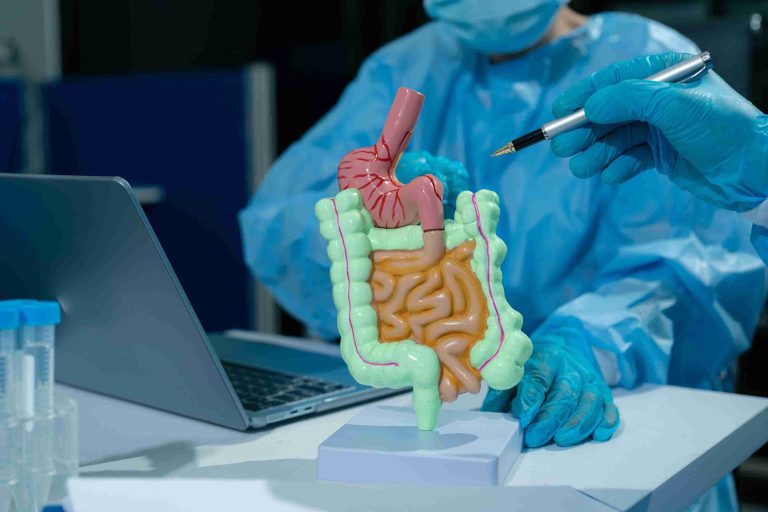
Gastroscopy is a diagnostic procedure used to visualize the esophagus, stomach, and the first part of the small intestine. It involves the use of a flexible tube equipped with a camera, allowing doctors to examine the lining of these organs for abnormalities such as inflammation, ulcers, or tumors.
While gastroscopy is a valuable tool in diagnosing gastrointestinal conditions, there are instances when the results may warrant further consideration. This article will explore when and why patients might consider seeking a second opinion on their gastroscopy results.
Understanding Gastroscopy and Its Importance
Gastroscopy is performed for various reasons, including persistent abdominal pain, difficulty swallowing, unexplained weight loss, or gastrointestinal bleeding. The procedure allows healthcare providers to make accurate diagnoses and develop effective treatment plans based on the findings.
Patients often have different reactions to their gastroscopy results. Some may receive a clear diagnosis and treatment plan, while others might find the results ambiguous or concerning. In these cases, seeking a second opinion can provide additional insights and peace of mind.
Reasons to Seek a Second Opinion
While a diagnosis from a qualified gastroenterologist is generally reliable, there are several valid reasons to consider seeking a second opinion regarding gastroscopy results.
1. Unclear or Conflicting Findings
Gastroscopy results can sometimes be unclear, particularly if multiple conditions may be present simultaneously. If the initial results do not provide a definitive diagnosis or if there are conflicting interpretations, consulting another specialist can clarify the situation. A second opinion may help identify the underlying issue more accurately.
2. Significant Changes in Symptoms
If a patient experiences significant changes in their symptoms after the gastroscopy, it may be worthwhile to seek a second opinion. For instance, if new symptoms arise or existing symptoms worsen despite treatment recommendations, a different perspective may reveal overlooked factors or alternative diagnoses.
3. Serious or Life-Altering Diagnoses
When gastroscopy results indicate a serious condition, such as cancer or a severe gastrointestinal disorder, the stakes are high. Patients may wish to obtain a second opinion to confirm the diagnosis and explore all possible treatment options. A second opinion can provide reassurance and confidence in the chosen treatment plan.
4. Desire for Alternative Treatment Options
Patients often seek second opinions not only for confirmation but also for alternative treatment options. If the initial recommendations involve invasive procedures or significant lifestyle changes, obtaining another perspective may introduce new, less invasive treatment strategies or additional management approaches.
5. Lack of Confidence in Initial Healthcare Provider
Patients should feel comfortable with their healthcare providers. If there are concerns about the initial provider’s expertise, communication style, or approach to treatment, seeking a second opinion can offer reassurance and a sense of empowerment. A different provider may be more in line with the patient’s preferences and needs.
6. Seeking Additional Information
Patients may want more information about their condition, treatment options, or prognosis. Seeking a second opinion can provide access to new research, different treatment methodologies, or clinical trials that may not have been mentioned in the initial consultation.
How to Approach Seeking a Second Opinion
If you decide to seek a second opinion regarding your gastroscopy results, here are some steps to follow to make the process as smooth as possible.
1. Prepare Your Medical Records
Before consulting with a new healthcare provider, gather your medical records, including the original gastroscopy results, biopsy reports, and any other relevant tests or imaging studies. This information will provide the new provider with context and assist them in making an informed assessment.
2. Research Potential Specialists
Take time to research gastroenterologists or specialists who are known for their expertise in your specific condition. Look for providers with a strong reputation, relevant experience, and positive patient reviews. Referrals from your primary care physician or recommendations from trusted friends and family can also be valuable.
3. Schedule an Appointment
Once you have identified potential specialists, schedule an appointment to discuss your concerns and the results of your gastroscopy. During the visit, be open and honest about your symptoms, previous findings, and any specific questions you may have.
4. Ask Questions
Prepare a list of questions to ask during your appointment. Some useful questions might include:
- What do you think of my gastroscopy results?
- Are there additional tests or procedures you would recommend?
- What treatment options are available, and what are their potential benefits and risks?
- Are there any lifestyle changes I should consider?
5. Evaluate the New Provider’s Approach
Pay attention to how the new provider communicates and whether they take the time to address your concerns. A good specialist should explain things clearly and involve you in the decision-making process.
6. Consider the Recommendations
After receiving a second opinion, take time to reflect on the new provider’s recommendations and how they align with the initial results. Consult with your primary healthcare provider to discuss both opinions and determine the best course of action.
The Emotional Aspect of Seeking a Second Opinion
Seeking a second opinion can be an emotional journey for many patients. It is normal to experience feelings of doubt, confusion, or anxiety about the diagnosis and treatment process. Here are some tips for managing these emotions:
1. Acknowledge Your Feelings
Recognize that seeking a second opinion is a common and acceptable practice in healthcare. Acknowledge your feelings and concerns; they are valid. Understand that you are advocating for your health and well-being.
2. Communicate Openly with Loved Ones
Discuss your concerns and thoughts with trusted family members or friends. Sharing your experiences can provide emotional support and help clarify your thoughts.
3. Focus on Empowerment
Remember that seeking a second opinion is an empowering step in managing your health. By taking an active role in your healthcare decisions, you are working to ensure that you receive the best possible treatment and support.
Conclusion
Gastroscopy is a valuable tool for diagnosing gastrointestinal conditions, but it can lead to uncertainty and confusion for patients. Knowing when to seek a second opinion on gastroscopy results is crucial in navigating your healthcare journey. Whether due to unclear findings, significant symptom changes, serious diagnoses, or a desire for alternative treatment options, pursuing a second opinion can provide valuable insights and reassurance.