Key Takeaways
- Doctors may recommend earlier screening for individuals with increased colorectal cancer risk factors.
- Colonoscopy helps detect precancerous polyps and other abnormalities before symptoms appear.
- Family history, lifestyle habits, and certain medical conditions may increase the need for earlier evaluation.
- Early detection through screening may improve treatment outcomes and reduce complications.
Colorectal cancer is one of the most common cancers worldwide, yet many cases develop silently over several years before symptoms appear. Traditionally, routine screening was often recommended beginning at age 50 for average-risk adults. However, healthcare providers are increasingly encouraging some individuals to undergo screening at an earlier age.
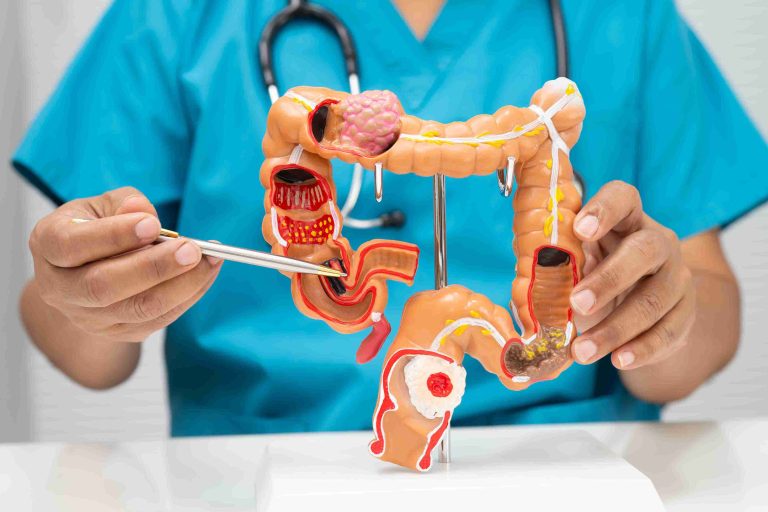
Doctors may recommend colonoscopy screening earlier due to rising colorectal cancer cases in younger adults, family history, digestive symptoms, lifestyle factors, and certain medical conditions that increase cancer risk. Identifying abnormalities early may help prevent disease progression and support more effective treatment [1].
Understanding why earlier evaluation may be necessary can help individuals make informed decisions about their digestive health. Below are eight important reasons why doctors may advise earlier colonoscopy testing.
| Reason for Earlier Screening | Why It Matters |
| Family history of colorectal cancer | Increases inherited cancer risk |
| Rising colorectal cancer rates in younger adults | Supports earlier detection |
| Personal history of polyps | Higher likelihood of recurrence |
| Chronic inflammatory bowel disease | Long-term inflammation may raise cancer risk |
| Persistent digestive symptoms | Symptoms may require investigation |
| Unhealthy lifestyle factors | Smoking, alcohol, and diet may contribute to risk |
| Genetic syndromes | Certain inherited conditions increase cancer risk significantly |
| Type 2 diabetes or obesity | Associated with higher colorectal cancer risk |
1. Family History of Colorectal Cancer
A strong family history of colorectal cancer is one of the most important reasons doctors may recommend earlier colonoscopy screening.
Individuals with parents, siblings, or close relatives diagnosed with colorectal cancer or advanced polyps may have a higher risk of developing similar conditions. In some cases, doctors advise screening several years earlier than the age at which the affected family member received a diagnosis [2].
Early testing may help detect abnormal growths before they become cancerous. It also allows healthcare providers to monitor individuals who may carry inherited risk factors.
2. Increasing Rates of Colorectal Cancer in Younger Adults
Healthcare providers have observed a concerning rise in colorectal cancer cases among younger adults over recent years. While the exact reasons are still being studied, factors such as dietary habits, sedentary lifestyle, obesity, and environmental influences may contribute [3].
Because of this trend, many doctors now encourage earlier colonoscopy screening for individuals with additional risk factors or unexplained digestive symptoms.
Detecting abnormalities early may improve treatment outcomes and reduce the likelihood of advanced disease. Earlier evaluation may also identify precancerous polyps before they develop into cancer.
3. Personal History of Colon Polyps
Individuals who previously had colon polyps removed may require ongoing monitoring through colonoscopy screening.
Certain polyps have the potential to become cancerous over time, especially if they are large, numerous, or contain abnormal cellular changes. Even after removal, some patients remain at increased risk of developing new polyps later.
Doctors may recommend more frequent or earlier follow-up procedures depending on the type and number of polyps previously identified.
4. Chronic Inflammatory Bowel Disease
Inflammatory bowel diseases such as ulcerative colitis and Crohn’s disease may increase the risk of colorectal cancer, particularly when inflammation affects the colon over many years [4].
Long-term inflammation can damage the intestinal lining and contribute to abnormal cellular changes. For this reason, individuals with inflammatory bowel disease often require closer monitoring.
Earlier colonoscopy health screening allows doctors to look for signs of inflammation, tissue changes, or precancerous abnormalities before symptoms worsen.
5. Persistent Digestive Symptoms
Certain digestive symptoms may indicate the need for earlier medical evaluation, even in younger adults.
Symptoms such as persistent abdominal pain, unexplained weight loss, rectal bleeding, chronic diarrhea, changes in bowel habits, anemia, or ongoing bloating should not be ignored. Although these symptoms may result from less serious conditions, they can sometimes signal colorectal disease.
A colonoscopy screening procedure helps doctors examine the colon directly and identify potential causes of symptoms.
6. Lifestyle and Dietary Factors
Lifestyle habits may also influence colorectal cancer risk. Diets high in processed meats, low fiber intake, smoking, excessive alcohol consumption, and physical inactivity have all been associated with increased colorectal cancer risk [5].
Obesity and sedentary behavior may further contribute to inflammation and metabolic changes linked to digestive disease.
For individuals with multiple lifestyle-related risk factors, doctors may consider recommending earlier colonoscopy screening tests as part of preventive healthcare.
Adopting healthier habits alongside regular medical evaluation may help reduce long-term risk.
7. Genetic Syndromes Linked to Colorectal Cancer
Certain inherited genetic conditions significantly increase the likelihood of developing colorectal cancer at a younger age.
Conditions such as Lynch syndrome and familial adenomatous polyposis (FAP) may lead to early development of multiple polyps or cancerous changes. Individuals with these syndromes often require specialized screening plans beginning much earlier than average-risk adults.
Genetic counseling and regular colonoscopy screening may help detect abnormalities early and support timely treatment.
8. Obesity and Type 2 Diabetes
Research suggests that obesity and type 2 diabetes may be associated with a higher risk of colorectal cancer [6].
Excess body weight may contribute to chronic inflammation, hormonal imbalances, and insulin resistance, which can affect cellular growth and cancer development. Individuals with diabetes may also experience metabolic changes linked to increased colorectal cancer risk.
Doctors may consider these factors when assessing whether an earlier colonoscopy screening procedure is appropriate, particularly if other risk factors are also present.
What Happens During Colonoscopy Screening?
Many patients feel anxious before undergoing the procedure because they are unsure what to expect.
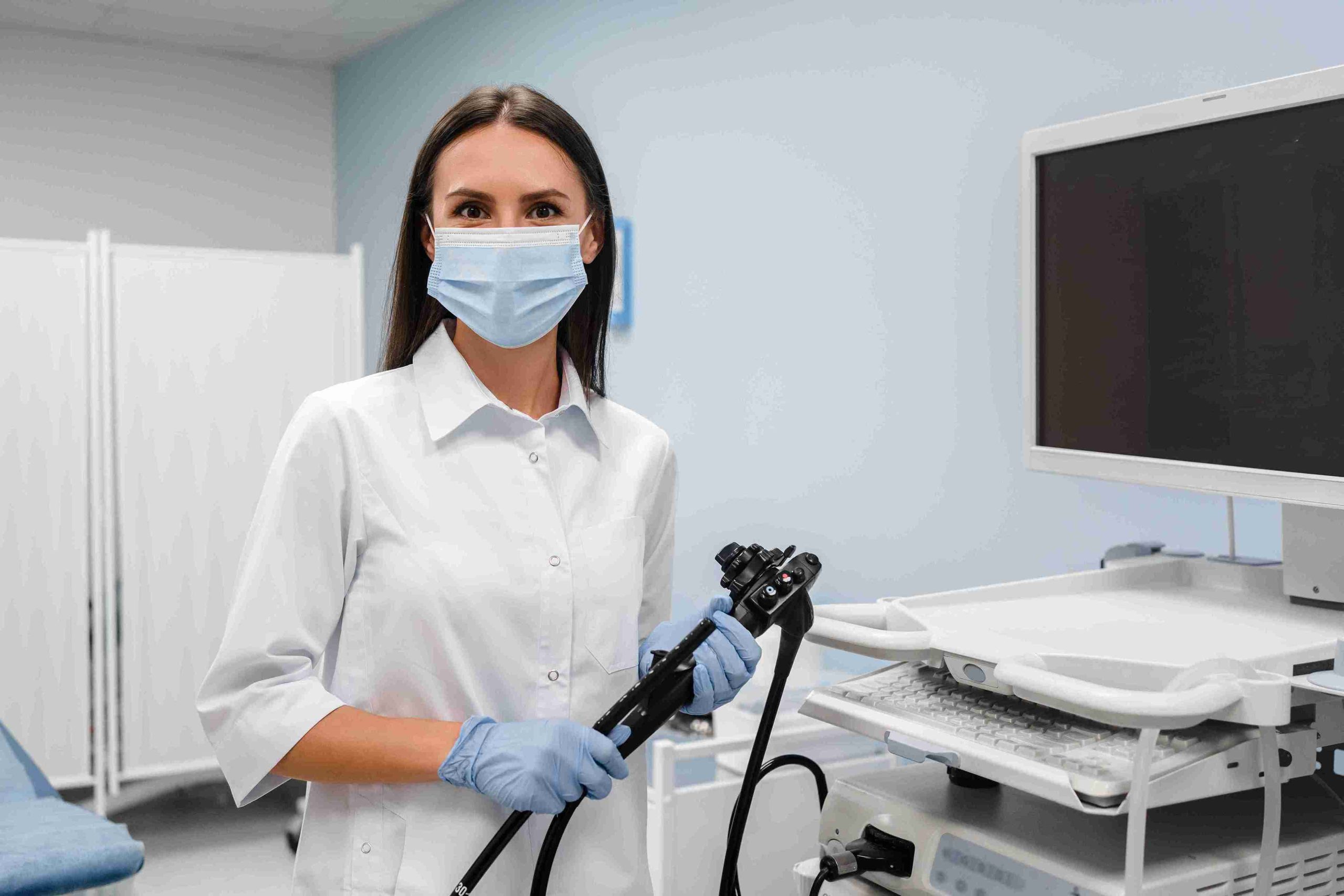
During colonoscopy cancer screening, a doctor inserts a thin, flexible tube with a camera into the rectum to examine the colon. The procedure is commonly performed under sedation to improve comfort.
If abnormal tissue or polyps are identified, doctors may remove them or collect biopsy samples during the same procedure. Most patients can return home on the same day after recovery.
Although bowel preparation beforehand may be inconvenient, proper preparation is important because it allows doctors to obtain a clear view of the colon lining.
Benefits of Early Detection
One of the greatest advantages of colonoscopy screening is the ability to identify abnormalities before cancer develops or symptoms appear.
Precancerous polyps can often be removed immediately, reducing the likelihood of future cancer formation. Early-stage colorectal cancer also tends to have better treatment outcomes compared to advanced disease.
In addition to cancer detection, the procedure may help diagnose inflammatory bowel disease, bleeding sources, diverticular disease, and other digestive conditions.
By identifying problems early, patients may receive treatment sooner and potentially avoid more serious complications.
Conclusion
Doctors may recommend earlier screening for individuals with higher colorectal cancer risk due to family history, genetic syndromes, digestive symptoms, lifestyle factors, inflammatory bowel disease, obesity, or previous polyps.
Colonoscopy screening plays an important role in detecting precancerous changes and digestive abnormalities before serious complications develop. As colorectal cancer rates continue to rise among younger adults, timely evaluation and early detection remain increasingly important.
Individuals experiencing persistent digestive symptoms or known risk factors should consult a healthcare professional to discuss whether earlier screening may be appropriate for their needs.
References
- American Cancer Society. (2024). Colorectal cancer screening guidelines. https://www.cancer.org/cancer/types/colon-rectal-cancer/detection-diagnosis-staging/acs-recommendations.html
- National Cancer Institute. (2024). Genetics of colorectal cancer (PDQ®)–Health professional version. https://www.cancer.gov/types/colorectal/hp/colorectal-genetics-pdq
- National Cancer Institute. (2024). Colorectal cancer rising among younger adults. https://www.cancer.gov/news-events/cancer-currents-blog/2020/colorectal-cancer-rising-younger-adults
- Mayo Clinic. (2024). Inflammatory bowel disease (IBD). https://www.mayoclinic.org/diseases-conditions/inflammatory-bowel-disease/symptoms-causes/syc-20353315
- World Health Organization. (2024). Colorectal cancer. https://www.who.int/news-room/fact-sheets/detail/colorectal-cancer
- American Cancer Society. (2024). Colorectal cancer risk factors. https://www.cancer.org/cancer/types/colon-rectal-cancer/causes-risks-prevention/risk-factors.html