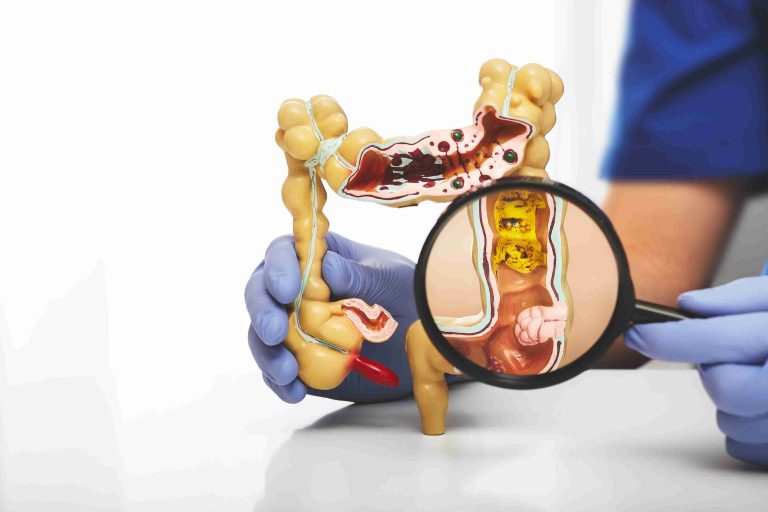
Colonoscopies are typically recommended starting at age 50—or even age 45, according to newer guidelines—but there are several situations in which this important screening tool may be necessary much earlier.
Many people associate a colonoscopy with routine age-based cancer checks, but the truth is, symptoms and risk factors can appear at any time. Knowing when to get evaluated could mean detecting a serious condition in its earliest stages, when it’s most treatable.
In this article, we’ll examine the common and sometimes subtle signs that may point to the need for earlier colon screening, what a colonoscopy can reveal, and why early detection is so important.
Unexplained Changes in Bowel Habits
Paying close attention to your bowel habits can reveal early warning signs of underlying issues. If you notice persistent changes in the frequency, consistency, or color of your stools—such as chronic diarrhea, prolonged constipation, or narrow stools—it may signal that something more serious is going on.
While occasional digestive irregularities are normal, a consistent shift in your routine that lasts more than a couple of weeks should not be ignored. These changes can indicate inflammation, polyps, or even early stages of colorectal cancer.
Blood in Your Stool or Rectal Bleeding
Perhaps one of the most important red flags for colon issues is the presence of blood in your stool. Whether the blood appears bright red or darker and mixed within the stool, it’s essential to have it evaluated by a doctor.
While not always indicative of cancer—since conditions like hemorrhoids or anal fissures can also cause bleeding—blood in the stool can be a symptom of tumors or advanced polyps. Even occasional rectal bleeding should prompt a closer look, especially if you’re under the age of 50 and have other risk factors or symptoms present.
Ongoing Abdominal Discomfort
Chronic abdominal pain, bloating, or cramping without a clear cause can be a subtle yet serious symptom that something may be wrong in the colon. While gas and indigestion are common, persistent or unexplained abdominal pain may suggest inflammation, blockages, or the growth of polyps that are large enough to disrupt normal digestion.
If these symptoms do not resolve with diet changes or standard treatments, a colonoscopy may be recommended to rule out more significant problems in the colon or rectum.
Sudden Unexplained Weight Loss
If you’re losing weight without trying—and there’s no change in diet or exercise routine—this could be a signal that your body is fighting something internally. Unexplained weight loss is often a warning sign that should never be ignored, as it can point to serious underlying conditions, including gastrointestinal cancers.
In cases where other digestive symptoms are also present, your doctor may suggest a colonoscopy to look for sources of bleeding, obstruction, or malignancy that may be affecting your ability to absorb nutrients or triggering metabolic changes.
Family History of Colorectal Cancer or Polyps
Your family’s medical history plays a crucial role in determining your risk for colon cancer. If a close relative—such as a parent, sibling, or child—was diagnosed with colorectal cancer or advanced polyps before the age of 60, you may be advised to start screening up to 10 years earlier than the age they were diagnosed.
Some individuals may even need to start screening in their 30s or earlier if they carry hereditary conditions like Lynch syndrome or familial adenomatous polyposis (FAP). Genetic predispositions dramatically increase risk, making early and regular screening essential for prevention.
Personal History of Inflammatory Bowel Disease
If you have been diagnosed with inflammatory bowel disease (IBD), such as Crohn’s disease or ulcerative colitis, you already face a higher risk of developing colon cancer. Long-term inflammation of the colon can lead to precancerous changes in the cells lining the bowel.
Because of this increased risk, doctors often recommend regular surveillance colonoscopies even in younger patients with IBD. The frequency of screening will depend on how long you’ve had the condition and how much of the colon is affected.
Fatigue and Low Iron Levels
Ongoing fatigue, especially when paired with low iron levels or anemia, can be a subtle indicator of chronic blood loss in the gastrointestinal tract. This type of blood loss may not always be visible in the stool, making it more difficult to detect without proper screening.
When iron deficiency is unexplained—especially in adults over 40—it is standard practice to investigate further, and a colonoscopy may be ordered to identify hidden sources of bleeding, such as ulcers, polyps, or tumors.
Screening After Positive Stool Tests
Some individuals may first undergo stool-based screening tests, such as the fecal immunochemical test (FIT) or guaiac-based fecal occult blood test (gFOBT), to check for hidden blood. These tests are often recommended for people who aren’t yet eligible for a full colonoscopy or who prefer less invasive testing initially.
However, a positive result on any of these stool tests warrants immediate follow-up with a colonoscopy. It is the only definitive method to identify and remove polyps or diagnose colon cancer in its early stages.
A Closer Look: What a Colonoscopy Reveals
A colonoscopy is more than just a diagnostic tool—it’s also a preventive measure. The procedure allows doctors to directly examine the entire colon and rectum for abnormalities. If polyps are found, they can often be removed during the same procedure, preventing them from developing into cancer over time.
Because the procedure is so comprehensive, it remains the gold standard for detecting colorectal conditions early, when treatment is most effective. Modern colonoscopy techniques are relatively safe and quick, with most patients able to resume normal activities the next day.
Breaking the Myth: Colonoscopies Are Not Just for the Elderly
Many people mistakenly believe that colonoscopies are only necessary for seniors. However, cases of colorectal cancer are rising among younger adults. Researchers have seen a notable uptick in diagnoses in people under 50 in recent years, with many of them presenting at more advanced stages due to delayed diagnosis.
That’s why it’s critical to pay attention to symptoms at any age. By recognizing these early signs and getting screened when appropriate, you dramatically improve the chances of early detection and successful treatment.
Conclusion
Colonoscopies save lives—but only when people get them at the right time. If you’re experiencing ongoing digestive issues, unexplained weight loss, rectal bleeding, or have a family history of colorectal disease, don’t wait until your next routine check-up. These could be signs that you need a colonoscopy sooner than you think.
Always discuss your symptoms and risk factors with your doctor. Together, you can decide when screening is appropriate and create a plan that prioritizes prevention. Early action is the key to peace of mind and long-term health.