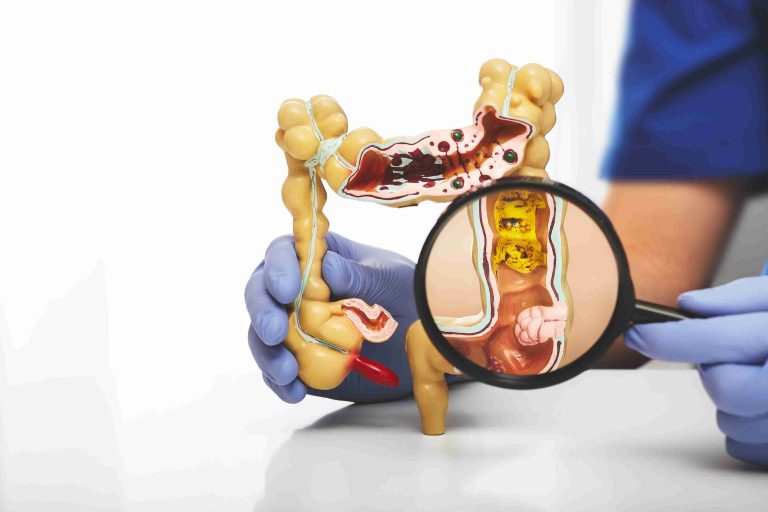
A colonoscopy is a crucial medical procedure used to examine the inner lining of the colon and rectum for abnormalities such as polyps, inflammation, or signs of colorectal cancer. While it is a routine and generally safe procedure, it can cause temporary discomfort. Many patients experience bloating, cramping, or mild pain after a colonoscopy, primarily due to the air introduced into the colon during the examination. Understanding how to manage these post-procedure symptoms effectively can make the recovery process more comfortable and stress-free.
Understanding Common Post-Colonoscopy Symptoms
After undergoing a colonoscopy, it is common to experience some discomfort as the body recovers. The most frequently reported symptoms include:
- Bloating and Gas: During the procedure, air is pumped into the colon to improve visibility. This can lead to temporary bloating and excess gas, causing mild to moderate discomfort.
- Cramping or Abdominal Pain: Some individuals may feel mild cramping as the colon readjusts and expels the remaining air.
- Fatigue: The sedation used during the procedure may cause drowsiness or lingering fatigue for several hours.
- Mild Rectal Bleeding: If polyps were removed or a biopsy was taken, a small amount of rectal bleeding may occur but should resolve quickly.
These symptoms are generally short-lived, typically resolving within a day or two. However, knowing how to manage them effectively can aid in a smoother recovery.
Managing Bloating and Gas
One of the most common discomforts after a colonoscopy is bloating and excess gas. To relieve this, consider the following strategies:
- Walking: Gentle movement, such as walking around the house, can help the body expel trapped gas and reduce bloating.
- Drinking Warm Liquids: Herbal teas, such as peppermint or chamomile, can aid digestion and soothe bloating.
- Avoiding Carbonated Beverages: Soft drinks and sparkling water can introduce more gas into the digestive system, worsening bloating.
- Lying in a Comfortable Position: Some individuals find that lying on their left side helps facilitate gas expulsion.
Easing Abdominal Cramping
Mild abdominal cramping after a colonoscopy is usually due to the stretching of the colon during the procedure. To reduce cramping:
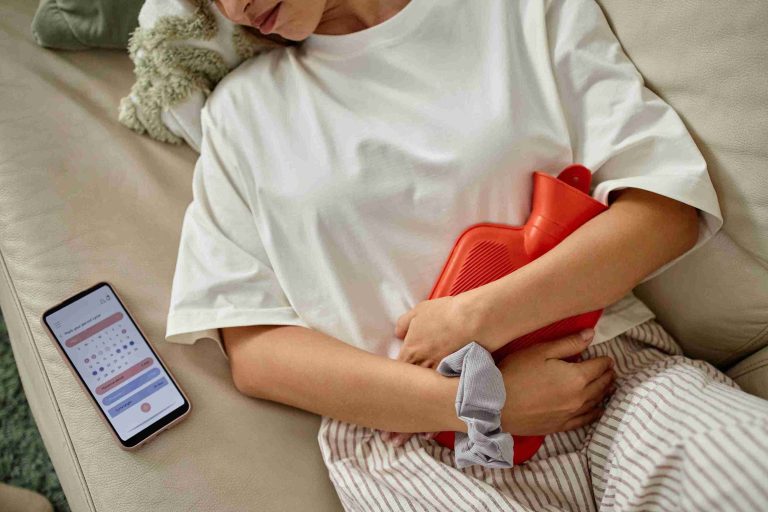
- Apply a Warm Compress: Placing a warm heating pad or warm towel on the abdomen can relax the muscles and alleviate discomfort.
- Stay Hydrated: Drinking plenty of fluids, especially warm water, helps stimulate digestion and prevents cramping.
- Consume Easily Digestible Foods: Eating soft, low-fiber foods such as soup, mashed potatoes, and yogurt can reduce irritation in the digestive tract.
- Use Over-the-Counter Medications If Necessary: Medications like simethicone can help alleviate gas pain if symptoms persist.
Addressing Fatigue and Drowsiness
Since sedation is often used during a colonoscopy, it is normal to feel drowsy or tired after the procedure. Managing this side effect involves:
- Resting Adequately: Plan for a full day of rest after the colonoscopy. Avoid strenuous activities or tasks requiring full alertness.
- Staying Hydrated: Drinking enough water can help flush out the sedation drugs from your system and re-energize the body.
- Avoiding Alcohol and Heavy Meals: Alcohol and rich, fatty foods can prolong drowsiness and digestive discomfort.
- Having a Support Person Nearby: If possible, arrange for a friend or family member to assist you for the rest of the day.
Managing Mild Rectal Bleeding
If a biopsy was taken or polyps were removed during the colonoscopy, minor rectal bleeding may occur. While usually not a cause for concern, it can be managed by:
- Avoiding Straining During Bowel Movements: Drinking plenty of fluids and eating fiber-rich foods can prevent constipation and reduce the risk of further irritation.
- Applying a Cold Compress: If the rectal area feels sore, a cold compress or sitz bath can provide relief.
- Monitoring the Amount of Bleeding: A small amount of blood is normal, but if bleeding is excessive or does not stop, seek medical attention immediately.
When to Seek Medical Attention
While most post-colonoscopy symptoms are mild and short-lived, there are some situations where medical attention is necessary. Contact a healthcare provider if you experience:
- Severe Abdominal Pain: Persistent or intense pain could indicate a complication such as a perforation.
- Heavy or Prolonged Rectal Bleeding: If bleeding is excessive or does not stop, it may require medical evaluation.
- Fever or Chills: This could indicate an infection or another complication.
- Persistent Vomiting or Inability to Pass Gas: If you are unable to expel gas or have persistent nausea, it may indicate a bowel obstruction.
Dietary Recommendations for Post-Colonoscopy Recovery
Choosing the right foods after a colonoscopy can aid in recovery and minimize discomfort. Consider the following dietary guidelines:
- Start with Clear Liquids: Immediately after the procedure, it’s best to consume clear liquids such as broth, herbal teas, and apple juice.
- Gradually Introduce Soft Foods: As the body readjusts, opt for foods like scrambled eggs, mashed potatoes, and bananas.
- Avoid Spicy and Greasy Foods: These can irritate the digestive system and worsen bloating.
- Reintroduce High-Fiber Foods Gradually: While fiber is essential for digestive health, introducing it too quickly can lead to gas and discomfort.
Lifestyle Adjustments for a Smoother Recovery
In addition to dietary changes, some lifestyle adjustments can help make post-colonoscopy recovery more comfortable:
- Avoid Heavy Lifting and Strenuous Activities: Give your body time to recover by avoiding high-impact activities for at least a day.
- Get Plenty of Sleep: Proper rest allows the body to heal and regain energy after sedation.
- Stay Close to a Restroom: Bowel movements may be irregular for a short period after the procedure, so plan accordingly.
- Follow Any Specific Doctor’s Instructions: Your doctor may provide additional guidance based on the findings of your colonoscopy.
The Importance of Following Up with Your Doctor
If your doctor performed a biopsy or removed polyps during your colonoscopy, they may schedule a follow-up appointment to discuss the results. This follow-up is essential for:
- Receiving Biopsy Results: If tissue samples were taken, your doctor will inform you of any abnormalities.
- Discussing Any Additional Tests: If further testing or imaging is required, your doctor will outline the next steps.
- Planning Future Colonoscopies: Depending on your risk factors, your doctor will recommend when your next screening should be scheduled.
Conclusion
Managing discomfort after a colonoscopy is an essential part of the recovery process. While mild symptoms such as bloating, cramping, and fatigue are common, they usually resolve within a day or two with proper self-care. Staying hydrated, resting, eating easy-to-digest foods, and walking can all aid in a smoother recovery.
However, if severe pain, heavy bleeding, fever, or other concerning symptoms arise, it is crucial to seek medical attention promptly. By understanding what to expect and how to manage post-procedure discomfort, patients can recover more comfortably and return to normal activities with confidence.