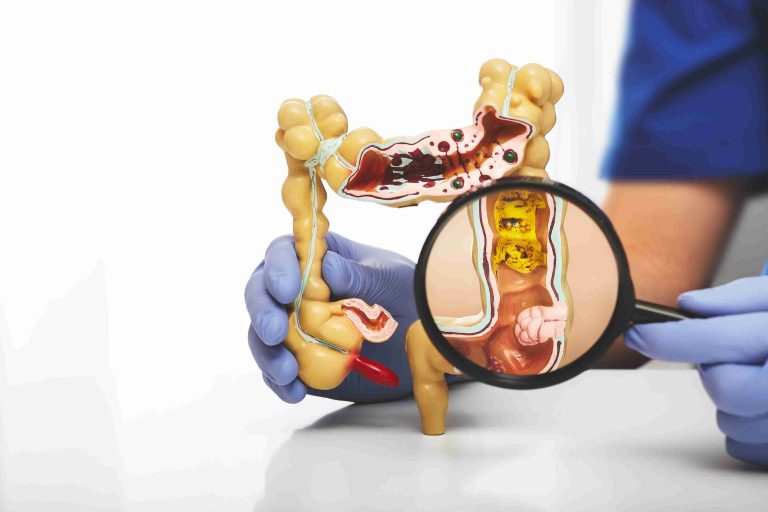
Colorectal cancer is one of the most preventable types of cancer, yet it remains one of the leading causes of cancer-related deaths. One of the most effective tools in preventing and detecting this disease early is colonoscopy screening. While routine screening usually begins at age 45 for average-risk individuals, those considered high-risk may benefit from starting much earlier.
Understanding what it means to be high-risk and how early colonoscopy screening could protect your health is essential. This article explores why early screening matters, who falls into the high-risk category, and how early detection can make a life-saving difference.
What Is Colonoscopy Screening?
Colonoscopy screening is a procedure used to examine the inner lining of the colon and rectum. It allows doctors to identify and remove abnormal growths called polyps before they become cancerous.
The procedure is typically done under sedation and involves the insertion of a long, flexible tube with a camera into the rectum. Colonoscopy not only helps detect cancer at an early stage but also plays a preventive role by removing polyps during the same procedure.
Most people with average risk are recommended to begin screening at age 45 and repeat it every 10 years if no issues are found. However, if you are in a high-risk group, starting earlier and being screened more often could be the safer path.
Who Is Considered High-Risk?
Being considered high-risk means you have factors that significantly increase your chances of developing colorectal cancer. Recognizing these factors can help you take proactive steps to protect your health.
Family history is one of the most important indicators. If you have a parent, sibling, or child who has been diagnosed with colon or rectal cancer, especially before the age of 50, your risk is higher.
Genetic conditions such as Lynch syndrome or familial adenomatous polyposis (FAP) also put individuals at significantly higher risk. People with these inherited conditions often develop cancer at a younger age and may need to start screening in their twenties or even earlier.
A personal history of inflammatory bowel diseases like Crohn’s disease or ulcerative colitis also increases your risk. These conditions cause chronic inflammation in the colon, which can lead to cellular changes over time.
If you fall into any of these categories, early colonoscopy screening is not just recommended, it may be crucial for your long-term health.
Why Early Screening Can Save Lives
Colorectal cancer often develops silently, without symptoms, until it reaches an advanced stage. This is one of the main reasons it can be so deadly. Early screening allows doctors to detect and remove precancerous polyps before they turn into cancer.
For high-risk individuals, the disease may progress more quickly. By the time symptoms like rectal bleeding, abdominal pain, or changes in bowel habits appear, the cancer could already be advanced.
Colonoscopy screening is highly effective because it allows direct visualization of the colon. It can identify even small polyps and lesions that other tests might miss. When caught early, colorectal cancer has a survival rate of over 90 percent. Without early screening, that rate drops significantly.
If you are high-risk, waiting until age 45 or 50 might not be safe. Earlier screening increases the chances of identifying and treating problems before they become life-threatening.
Signs You May Need Early Colonoscopy Screening
While being high-risk is enough reason to talk to your doctor, there are certain warning signs that also suggest the need for earlier evaluation. Even if you’re younger than 45, you should not ignore these symptoms.
Persistent rectal bleeding is one of the most common symptoms of colon issues. Blood in the stool, especially if it’s dark or mixed with mucus, should always be investigated.
Chronic constipation or diarrhea that lasts for more than a few weeks can also be a red flag. These changes in bowel habits might indicate a blockage or inflammation in the colon.
Unexplained weight loss, fatigue, and abdominal pain are other signs that should prompt a medical evaluation. While these symptoms can be caused by various conditions, they are sometimes the first indication of colon cancer.
If you have any of these symptoms and belong to a high-risk group, colonoscopy screening should be considered sooner rather than later.
How Early Is Early?
The recommended age to begin colonoscopy screening procedure for high-risk individuals depends on several factors. If you have a first-degree relative diagnosed with colorectal cancer, screening should start at age 40, or 10 years before the age at which your relative was diagnosed, whichever comes first.
For those with genetic conditions, screening may begin in the teen years or early twenties. In cases of inflammatory bowel disease, screening often starts 8 to 10 years after the disease first appears.
Your healthcare provider will help determine the best timeline for your situation. They may also recommend more frequent screenings, such as every 1 to 5 years, depending on the findings and your risk level.
What to Expect from the Procedure
Many people avoid colon cancer screening due to fear or discomfort. However, modern colonoscopies are safe, relatively quick, and performed under sedation.
Preparation typically involves a bowel cleanse the day before, which helps clear the colon of waste. Though the prep can be unpleasant, it is essential for an effective and accurate examination.
The procedure itself usually takes about 30 to 60 minutes. You’ll be given medication to help you relax or sleep, and most people feel no pain during the exam. After the screening, you may feel some bloating or mild cramping, but recovery is usually fast. Most people can return to their normal activities the next day.
Risks of Delaying Colonoscopy Screening
Delaying colonoscopy screening tests when you are high-risk can have serious consequences. Without screening, polyps can grow unchecked and eventually turn into cancer. Once cancer spreads beyond the colon, treatment becomes more complicated and survival rates decrease.
Delaying also reduces your chances of benefiting from less invasive treatments. Early-stage cancers may be treated with surgery alone, while advanced cases often require chemotherapy, radiation, or other aggressive interventions.
Some people postpone screening out of fear or discomfort. Others believe that they are too young to worry about cancer. But colorectal cancer in younger adults is on the rise, and early screening can provide peace of mind as well as protection.
Taking Action
If you think you may be at high risk for colorectal cancer, the first step is to talk to your doctor. They can evaluate your medical history, family background, and symptoms to determine whether early colonoscopy screening is appropriate for you.
Your doctor may also suggest genetic testing if a hereditary condition is suspected. In some cases, screening methods such as stool tests or flexible sigmoidoscopy may be used alongside or prior to a full colonoscopy.
Taking action early could prevent cancer before it starts. It can also reduce anxiety and uncertainty by providing clear answers about your colon health.
Conclusion
For those at high risk, early colonoscopy screening might not just be safer, it could be life-saving. Colon cancer often develops without symptoms, and delaying screening increases the risk of a late-stage diagnosis.
Whether you have a family history, genetic condition, or chronic digestive illness, starting screening before the standard age of 45 may significantly improve your outcomes.
If you have any concerns about your risk level or are experiencing unexplained symptoms, do not wait. Speak with your healthcare provider about whether early colonoscopy screening is right for you. Prevention and early detection are powerful tools in the fight against colon cancer.