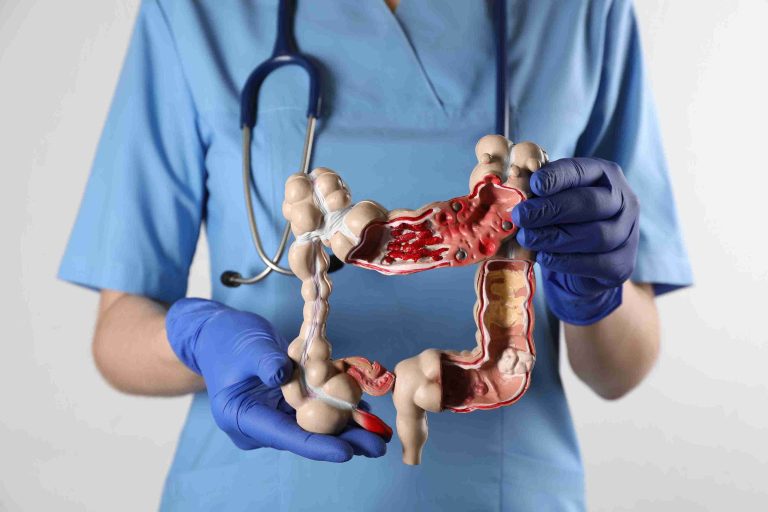
Endoscopy is one of the most common diagnostic procedures used in modern medicine to examine the digestive tract, identify diseases, and even perform certain treatments. In Singapore, this procedure is widely available in both public and private hospitals, offering patients convenient access to high-quality care.
However, for many individuals, the financial aspect can be confusing or even intimidating. Understanding the endoscopy cost in Singapore, what contributes to it, and how to avoid unexpected charges can make the experience less stressful and more financially manageable.
Understanding Endoscopy and Its Purpose
Endoscopy involves inserting a flexible tube with a camera into the body to view internal organs or tissues. Depending on the symptoms and areas to be examined, doctors may recommend an upper gastrointestinal (GI) endoscopy, colonoscopy, bronchoscopy, or other variations of the procedure. It allows physicians to visually inspect the digestive tract, collect tissue samples, and even perform minor interventions such as polyp removal.
In Singapore, endoscopy is performed in both inpatient and outpatient settings. It’s a routine procedure for investigating issues like abdominal pain, persistent nausea, heartburn, rectal bleeding, or changes in bowel habits. While the technology and safety standards are exceptional, the endoscopy cost in Singapore can vary widely depending on multiple factors.
Typical Endoscopy Cost in Singapore
The endoscopy cost in Singapore depends on whether the procedure is done at a public or private hospital, the type of endoscopy performed, and whether additional services are needed. In public hospitals, the price for a basic endoscopy can range from SGD 600 to SGD 1,200 before government subsidies. For Singapore citizens and Permanent Residents, Medisave and MediShield Life may help reduce the final bill.
In private hospitals or specialist clinics, costs tend to be higher due to facility fees, personalized care, and shorter waiting times. The typical price range for an upper GI endoscopy or colonoscopy is SGD 1,500 to SGD 3,000, but complex procedures or those requiring biopsy or polyp removal may cost up to SGD 4,000 or more.
Patients should always request an estimate before booking, as additional items like anesthesia, lab tests, or follow-up consultations can add significantly to the total amount.
What Determines the Total Cost
The total endoscopy cost in Singapore isn’t limited to the base procedure fee. Several elements contribute to the final bill:
- Type of Endoscopy: An upper GI endoscopy typically costs less than a colonoscopy or double-balloon enteroscopy, which are more complex.
- Purpose of the Procedure: Screening procedures are often less expensive than diagnostic ones because diagnostic endoscopies may involve tissue sampling or therapeutic interventions.
- Sedation and Anesthesia: The choice between light sedation and general anesthesia impacts the total cost. An anesthesiologist’s professional fee adds to the expense.
- Biopsy or Polyp Removal: If tissue samples are taken for analysis or polyps are removed, laboratory and pathology fees will be added.
- Specialist’s Fee: Experienced gastroenterologists may charge higher consultation and procedural fees, but their expertise ensures greater accuracy and safety.
- Facility Charges: Using a private hospital or a same-day surgery center usually costs more than a public healthcare institution.
Knowing what influences the cost helps patients plan better and avoid being caught off guard after the procedure.
Screening vs Diagnostic Endoscopy Costs
It’s important to distinguish between screening and diagnostic endoscopies. A screening endoscopy is a preventive procedure for individuals without symptoms but at risk of conditions like stomach ulcers or colorectal cancer. Diagnostic endoscopies, on the other hand, are ordered when symptoms such as abdominal discomfort, bleeding, or unexplained weight loss are present.
Screenings tend to have more predictable endoscopy costs, especially in package deals offered by hospitals or clinics. Diagnostic procedures may incur higher and variable costs because they often involve additional tests or treatments during the same session. Understanding this difference helps patients interpret pricing more accurately.
Hidden Costs Patients Should Watch Out For
One of the main reasons patients feel shocked after receiving their hospital bill is because of hidden or unexpected charges. When discussing the endoscopy cost in Singapore with a healthcare provider, it’s essential to clarify what the quoted price includes and excludes.
Hidden endoscopy costs may include:
- Pre-procedure consultations and tests such as blood work, ECGs, or X-rays.
- Sedation or anesthesia fees not included in the base package.
- Pathology and lab fees for biopsy samples.
- Medication and recovery room charges after the procedure.
- Post-procedure consultation to review results.
Asking for a detailed quotation that breaks down all potential endoscopy costs can prevent unpleasant surprises later.
Ways to Minimize Endoscopy Costs
Patients can take several proactive steps to keep the cost of endoscopy in Singapore within budget.
- Use Medisave and MediShield Life: Singapore’s healthcare financing system allows patients to use Medisave to offset part of the endoscopy cost. Generally, one can claim up to SGD 950 from Medisave for a day surgery like an endoscopy. MediShield Life and Integrated Shield Plans can further reduce the cost depending on the level of coverage.
- Check Insurance Policies: For those with private health insurance, review whether endoscopy is covered under outpatient, inpatient, or surgical benefits. Always verify coverage before undergoing the procedure.
- Compare Facilities: Different hospitals and clinics charge differently for similar procedures. Public hospitals are more affordable but may have longer waiting times. Private clinics offer convenience and personalized care at a higher cost.
- Ask About Package Rates: Some medical centers offer bundled packages that include sedation, consultation, and post-procedure review. These are often cheaper than paying separately for each component.
- Schedule During Subsidy Periods: Occasionally, hospitals run health screening promotions or government-supported campaigns that offer discounted rates for endoscopic screenings.
Being financially informed before the procedure can help patients manage healthcare expenses wisely.
Why Transparency Matters
Transparent pricing is becoming a top priority in Singapore’s healthcare landscape. Patients have the right to know how much their treatment will cost and what each item on the bill represents. Many hospitals now provide cost estimators or pre-procedure counseling to help patients understand expected charges.
For example, before an upper GI endoscopy, patients can request an estimated breakdown that includes doctor’s fees, sedation, hospital facility charges, and any optional services. This clarity builds trust and prevents billing disputes later.
The Value of Investing in Early Diagnosis
While focusing on minimizing expenses is important, it’s equally crucial to remember the health benefits of timely diagnosis. Endoscopy can detect serious conditions like stomach ulcers, inflammatory bowel disease, and colorectal cancer at an early stage—when they are easier and less costly to treat.
Delaying the procedure because of cost concerns can lead to more severe health problems and higher medical bills in the future. Therefore, while being mindful of the endoscopy cost in Singapore, patients should also consider the long-term value of investing in preventive care.
Choosing the Right Specialist and Facility
Selecting the right gastroenterologist and medical facility can make a significant difference—not only in cost but also in comfort and safety. Public hospitals like Singapore General Hospital (SGH) and Tan Tock Seng Hospital (TTSH) offer reliable services at lower costs with subsidies. Meanwhile, private institutions such as Mount Elizabeth Hospital, Parkway East Hospital, and Raffles Hospital provide advanced technology and shorter waiting times for those willing to pay more.
When selecting a provider, patients should prioritize quality, accreditation, and transparency over the lowest possible cost. Reading reviews and seeking recommendations can also help in choosing a reputable facility.
Conclusion
Understanding the endoscopy cost in Singapore and taking steps to minimize unexpected charges can transform a stressful medical experience into a manageable one. Costs vary based on hospital type, procedure complexity, and added services like sedation or biopsy.
By comparing prices, using Medisave and insurance benefits, and asking for detailed cost breakdowns, patients can make informed choices that protect both their health and finances. Endoscopy remains an invaluable tool for early disease detection and long-term digestive health—an investment that can ultimately save both lives and money.