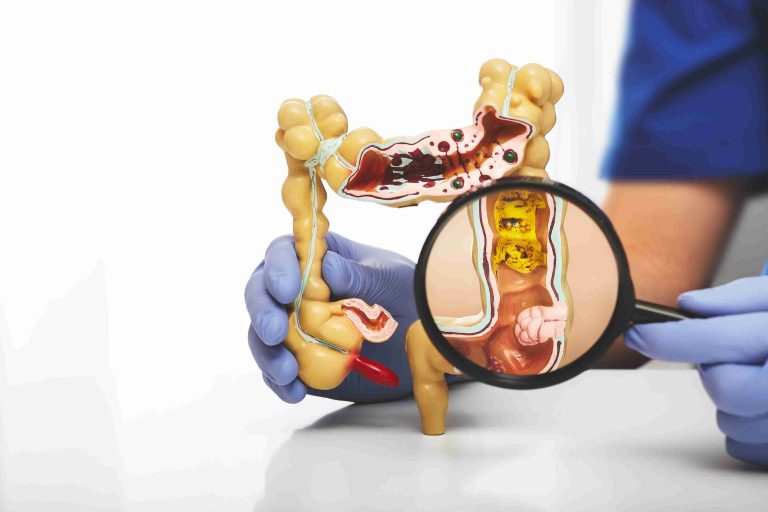
Colonoscopy screening is one of the most effective methods for detecting colorectal cancer and other abnormalities in the colon. It allows doctors to examine the inner lining of the large intestine using a flexible tube with a camera. This procedure is crucial for early detection and prevention, particularly in individuals at higher risk due to personal or family history.
But how does family history influence the frequency of colonoscopy screenings? Understanding the link between genetic predisposition and colorectal cancer can help individuals take proactive steps toward their health.
The Role of Family History in Colorectal Cancer Risk
Family history plays a significant role in determining the likelihood of developing colorectal cancer. If you have a first-degree relative—such as a parent, sibling, or child—who has been diagnosed with colorectal cancer, your risk increases considerably.
Studies show that individuals with an affected first-degree relative are two to three times more likely to develop colorectal cancer than those without a family history. The risk increases further if multiple family members have had the disease or if they were diagnosed at a younger age.
Additionally, hereditary conditions like Lynch syndrome and familial adenomatous polyposis (FAP) significantly raise the likelihood of developing colorectal cancer. These conditions require even more frequent screenings, often beginning at a much earlier age than routine screenings for the general population.
How Often Should You Get a Colonoscopy If You Have a Family History?
For individuals without a family history, colonoscopy screening typically begins at age 50 (or 45, as recent guidelines suggest). However, for those with a family history of colorectal cancer or polyps, screenings should start earlier and occur more frequently.
- If a first-degree relative was diagnosed before age 60: A colonoscopy screening should begin at age 40 or 10 years before the age at which the relative was diagnosed, whichever comes first. For example, if your parents were diagnosed at 45, you should begin screenings at 35.
- If a first-degree relative was diagnosed at or after age 60: Screening should begin at 40, but the frequency depends on findings from the initial test.
- If multiple family members have had colorectal cancer: More frequent screenings (every three to five years) may be necessary, depending on medical advice.
- If a hereditary condition like Lynch syndrome or FAP is present: Screenings may begin as early as 20-25 years old, with annual or biennial frequency.
Why Earlier and More Frequent Screenings Matter
Colorectal cancer often develops from precancerous polyps that grow in the colon over several years. Detecting and removing these polyps early can prevent cancer from developing. Because individuals with a family history have a higher likelihood of developing these polyps at a younger age, delaying colonoscopy screening can allow potential cancers to progress undetected.
Moreover, colorectal cancer is more treatable in its early stages. The five-year survival rate for localized colorectal cancer is over 90%, but this drops significantly if the disease spreads to other parts of the body. Frequent screenings enable doctors to catch abnormalities before they become life-threatening.
Other Risk Factors That May Influence Screening Frequency
While family history is a major factor in determining how often you should undergo a colonoscopy, other lifestyle and medical factors can also increase the risk of colorectal cancer. These include:
- Dietary habits: High consumption of red or processed meats and low fiber intake can contribute to colon cancer development.
- Smoking and excessive alcohol consumption: Both have been linked to an increased risk of colorectal cancer.
- Obesity and sedentary lifestyle: Lack of physical activity and excess body weight are known risk factors.
- Inflammatory bowel diseases (IBD): Conditions like Crohn’s disease and ulcerative colitis can increase colorectal cancer risk, requiring more frequent screenings.
Preparing for a Colonoscopy Screening
If you are advised to undergo more frequent colonoscopy screenings due to family history, proper preparation is key to ensuring a successful procedure. Preparation typically involves:
- Dietary restrictions: A low-fiber diet a few days before the procedure and clear liquids 24 hours before.
- Bowel cleansing: Laxatives or special cleansing solutions prescribed by the doctor to empty the intestines.
- Temporary medication adjustments: Some medications, such as blood thinners, may need to be paused or adjusted before the procedure.
Following the preparation guidelines carefully improves the quality of the examination and ensures that the doctor can clearly identify any abnormalities.
The Psychological and Emotional Impact of Frequent Screenings
For individuals with a family history of colorectal cancer, the need for earlier and more frequent colonoscopy screenings can bring anxiety and stress. The anticipation of undergoing a medical procedure, coupled with concerns about potential findings, can be emotionally taxing.
However, it is important to remember that these screenings are a proactive step in safeguarding health. Regular check-ups empower individuals to take control of their well-being and significantly reduce the risk of advanced colorectal cancer. Support from family, medical professionals, and patient advocacy groups can also help ease the psychological burden of frequent screenings.
Advances in Colonoscopy and Screening Technologies
With advancements in medical technology, colonoscopy procedures have become more comfortable and efficient. Sedation techniques and improved imaging capabilities allow for a smoother patient experience. Additionally, alternative screening methods such as stool DNA tests, virtual colonoscopy (CT colonography), and flexible sigmoidoscopy offer options for individuals who may not be able to undergo traditional colonoscopies frequently.
While these alternative tests can be useful, colonoscopy remains the gold standard for detecting and removing precancerous polyps in real-time. Therefore, individuals at high risk should prioritize colonoscopy screenings over other methods whenever possible.
The Importance of Discussing Family History with Your Doctor
If you have a family history of colorectal cancer, discussing your risk factors with a healthcare provider is essential. Your doctor can assess your individual risk level, determine the appropriate screening schedule, and provide personalized recommendations.
Additionally, if you are unsure about your family’s medical history, consider speaking with relatives or undergoing genetic testing to evaluate your inherited risk factors. Understanding your genetic predisposition can help you make informed decisions about preventive healthcare.
Taking Proactive Steps for Your Health
Colonoscopy screening is a vital tool in the early detection and prevention of colorectal cancer, particularly for individuals with a family history of the disease. If you have close relatives who have been diagnosed with colorectal cancer or polyps, it is crucial to begin screenings earlier and adhere to a more frequent screening schedule.
By staying informed, maintaining a healthy lifestyle, and discussing your risk factors with a healthcare provider, you can take proactive steps to reduce your chances of developing colorectal cancer. Regular screenings can mean the difference between catching a problem early and facing a more advanced, harder-to-treat condition. Your health is worth the effort—prioritize it today.