Key Takeaways
- Daily fermented foods support colon health by promoting a balanced gut microbiome, improving bowel movements, and may reduce inflammation, while occasional detox-style cleanses have no proven long-term benefit.
- Scientific evidence doesn’t support routine colon cleanses for health outside of medical preparation, such as before a colonoscopy, and some methods carry risks.
- A diet rich in probiotics, fiber, and whole foods is consistently linked with better digestive outcomes and potentially lower colon cancer risk than cleanses.
- The only universally accepted reason to perform an intensive cleanse is to prepare the colon for a colonoscopy, where a clean bowel improves polyp detection and safety.
When asking “Which helps your colon more: daily fermented foods or occasional cleanses?”— The evidence is clear: regular intake of fermented foods incorporated into a balanced diet supports digestive health more reliably than occasional cleanses, and cleanses are not recommended for general wellness outside of specific clinical contexts such as before a colonoscopy.
Your colon (large intestine) plays a critical role in absorbing water, electrolytes, and processing waste. Maintaining its health involves supporting its microbial ecosystem and ensuring regular, soft bowel movements. What you eat, not what you periodically eliminate, generally has the strongest impact [1].
How Fermented Foods Help the Colon
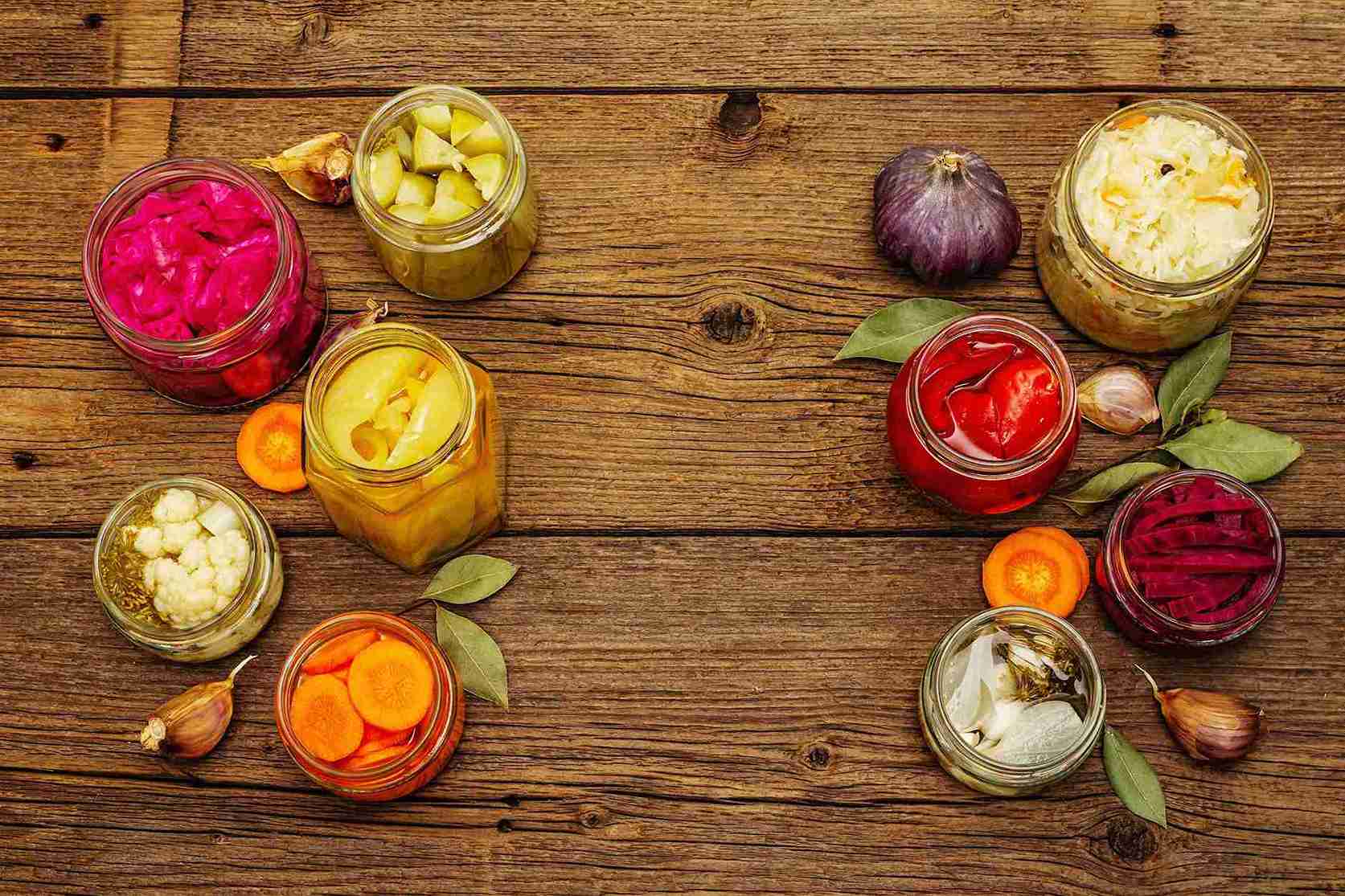
Fermented foods are foods transformed by bacteria or yeasts, producing live cultures (probiotics) that interact with the gut microbiome. Common examples include yogurt, kefir, kimchi, sauerkraut, miso, and kombucha.
Research shows that fermented foods can beneficially impact bowel movement frequency, stool consistency, and gastrointestinal symptoms, likely through effects on microbiome balance and intestinal transit time [2].
Mechanisms of Benefit
- Microbiome balance: Probiotics in fermented foods may help maintain a healthier gut bacterial balance, improving digestion and reducing symptoms such as bloating or constipation.
- Improved bowel function: Systematic reviews and meta-analyses indicate that fermented food consumption is associated with increased bowel movement frequency and improved stool consistency.
- Potential cancer risk reduction: Observational studies suggest that consumption of certain fermented dairy products, such as yogurt and cheese, may be linked to a lower risk of colorectal cancer in some populations [3].
Multiple systematic reviews and randomized studies show that regular fermented food consumption can influence bowel habits more consistently than episodic cleansing.
Practical Tips for Daily Habit Formation
- Include probiotic-rich yogurt or kefir with breakfast.
- Add kimchi or sauerkraut as a side with meals.
- Try miso in soups or dressings.
Combined with dietary fiber from fruits, vegetables, and whole grains, these habits support regular bowel movements naturally, without extreme fasting or harsh interventions.
Why Occasional Cleanses Fall Short
The idea behind many popular colon cleanse products and protocols is that the body accumulates toxins that require external removal. However, this “detox” or autointoxication theory has been scientifically disproven [4].
What the Evidence Says
Major health authorities report no evidence that colon cleansing removes toxins or provides lasting health benefits beyond specific clinical use, such as preparation for a colonoscopy [5]. Most claims about enhanced immunity, energy, or colon cancer prevention through cleanses lack robust scientific support, and products marketed for colon health are often unregulated and unsupported by evidence [5].
Health Risks to Consider
Some cleanse methods can be harmful:
- Dehydration and electrolyte imbalance from laxatives.
- Bacterial imbalance and infections from unregulated colon irrigation.
- Potential colon perforation with invasive irrigation techniques.
Medical sources warn that colon cleanses outside clinical need can remove beneficial bacteria and disrupt the microbiome, leading to adverse effects.
When a Cleanse Is Medically Appropriate: Colonoscopy Preparation
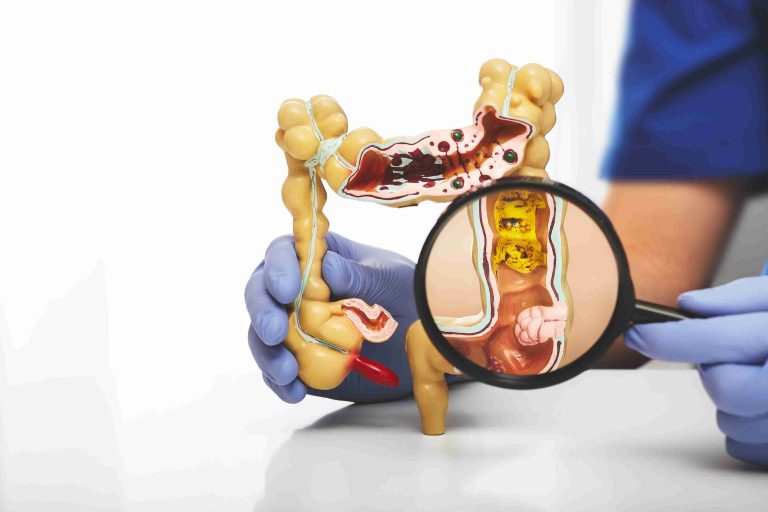
There is one legitimate medical context in which colon cleansing is necessary: preparation for a colonoscopy. A colonoscopy is a diagnostic procedure in which a clinician inspects the colon lining through a camera to look for precancerous polyps, tumors, or inflammation. For a successful colonoscopy:
- The bowel must be thoroughly emptied to provide clear visibility.
- Physicians prescribe a bowel prep regimen (typically a laxative solution) the day before the procedure — this is not the same as general wellness cleanses and is tailored for safe, effective screening [6].
This prep is a careful type of cleanse tailored to the colonoscopy test and is very different from wellness cleanses you see marketed online. Without complete cleansing, small lesions or polyps may be missed during the procedure, reducing its effectiveness in colon cancer screening.
Routine cleanses outside of colonoscopy preparation do not improve gastrointestinal health or prevent disease and are not endorsed by medical professionals.
Fermented Foods vs Cleanses: Summary of Evidence
| Aspect | Daily Fermented Foods | Occasional Cleanses |
| Scientific support for gut/colon health | Moderate evidence for bowel function and microbiome support | No strong evidence for detox benefits |
| Impact on inflammation or symptoms | May reduce bloating & regulate stool | May cause discomfort, diarrhea, or imbalance |
| Colon cancer risk | Some association with lower risk in observational studies | No evidence of benefit |
| Safety profile | Generally safe when consumed in moderation | Risky without medical oversight |
| Role in colonoscopy | No | Yes (pre-procedure cleansing) |
Real-World Recommendations
For most adults seeking colon health:
✔ Eat a balanced diet rich in fermented foods, fiber, lean proteins, and hydration.
✔ Reserve cleansing protocols for medical indications like a colonoscopy and follow physician instructions.
✔ Regularly screen for colon cancer starting at age 45 (or earlier if recommended based on family history).
By focusing on consistent, evidence‑based dietary habits, you support your colon’s natural functions and reduce the need for dramatic interventions that lack scientific merit.
Conclusion
Daily fermented foods offer consistent, safe benefits to digestive health and may contribute to lower colon disease risks, whereas occasional detox cleanses lack evidence, pose safety concerns, and are only justified medically when preparing for a colonoscopy.
References
- Bao, Y., Han, J., Hu, F. B., et al. (2022). Fermented dairy food intake and risk of colorectal cancer: A meta-analysis. PubMed. https://pubmed.ncbi.nlm.nih.gov/35692761/
- Mayo Clinic. (2023). Prebiotics, probiotics and the microbes in your gut: Key to your digestive health. https://mcpress.mayoclinic.org/dairy-health/prebiotics-probiotics-and-the-microbes-in-your-gut-key-to-your-digestive-health/
- Mukherjee, A., Farsi, E., Garcia-Gutierrez, S., et al. (2025). Impact of fermented foods consumption on gastrointestinal wellbeing in healthy adults: A systematic review and meta-analysis. https://pmc.ncbi.nlm.nih.gov/articles/PMC12549620/
- Mayo Clinic. (2024). Colon cleansing: Is it helpful or harmful? https://www.mayoclinic.org/healthy-lifestyle/consumer-health/expert-answers/colon-cleansing/faq-20058435/
- WebMD. (2023). Colon cleanse: Benefits, methods, risks & health implications. https://www.webmd.com/balance/natural-colon-cleansing-is-it-necessary
- WebMD. (2024). How to prepare for a colonoscopy. https://www.webmd.com/colorectal-cancer/prepare-for-colonoscopy