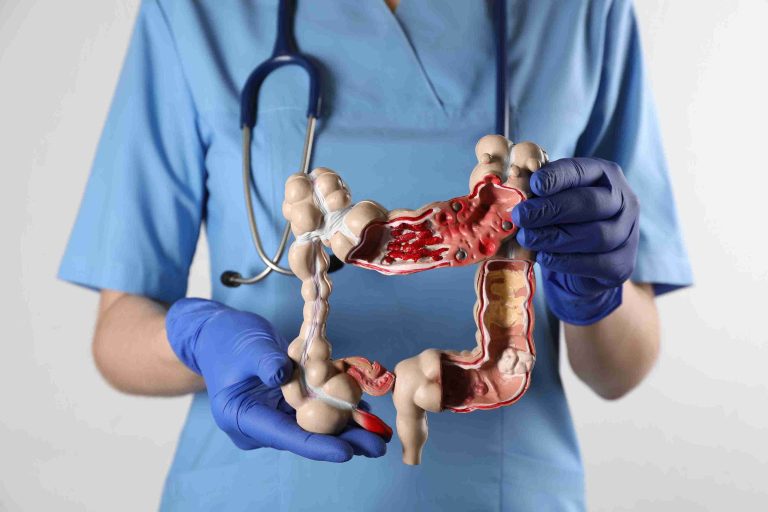
In Singapore, colonoscopy has become an essential tool for detecting and preventing colorectal cancer, one of the most common cancers in the region. As more people become aware of the importance of early screening, understanding how the colonoscopy cost has evolved over time becomes increasingly relevant. From public healthcare subsidies to private clinic pricing and insurance changes, several factors have influenced how much patients pay for this procedure today compared to previous years.
The Growing Importance of Colonoscopy
Colonoscopy is a minimally invasive procedure that allows doctors to examine the large intestine for abnormalities such as polyps, bleeding, inflammation, or signs of cancer. It serves both diagnostic and preventive roles, helping detect issues before they become serious.
Over the past two decades, Singapore has heavily promoted regular colonoscopy screening as part of its national health campaigns. This push has contributed to earlier cancer detection rates and improved patient outcomes. However, as demand for colonoscopy rose, so did attention to the colonoscopy cost, which can vary depending on the purpose of the test, the type of facility, and additional services involved.
Early Colonoscopy Costs: A Limited Procedure
In the early 2000s, colonoscopy in Singapore was mostly performed in public hospitals and targeted individuals with clear symptoms such as blood in stools, chronic abdominal pain, or unexplained changes in bowel habits. At that time, colonoscopy cost was relatively low in public institutions, especially for citizens under government healthcare schemes.
Private hospitals, however, charged significantly higher prices. A typical colonoscopy procedure could range from SGD 800 to SGD 1,500 depending on whether it was diagnostic or therapeutic. Insurance coverage was limited, and many Singaporeans viewed the test as an expensive and intimidating procedure unless medically necessary.
Shifts in Public Awareness and Screening Programs
Around the mid-2000s to early 2010s, government health agencies began emphasizing colorectal cancer screening. Public awareness campaigns encouraged individuals aged 50 and above to undergo colonoscopy as a preventive measure rather than waiting for symptoms.
This shift caused a gradual increase in the number of procedures performed annually. More demand meant more clinics offering the service, leading to competition and variation in colonoscopy cost. The introduction of government-subsidized screening programs also played a key role in keeping prices accessible for public hospital patients.
In addition, flexible spending schemes like MediSave were allowed to cover part of the expenses, easing the financial burden on families. These policy adjustments made colonoscopy screening a realistic option for a larger segment of the population.
Technological Advancements and Cost Factors
Over the years, colonoscopy technology has advanced tremendously. High-definition imaging, improved sedation methods, and disposable scopes have increased accuracy, comfort, and safety. However, these improvements also raised the base cost of the procedure due to higher equipment and maintenance expenses.
Private healthcare providers began offering enhanced colonoscopy packages that included same-day consultation, advanced imaging, and detailed diagnostic reporting. Depending on the facility, such packages could push the colonoscopy cost to between SGD 1,800 and SGD 3,500.
Public hospitals, while still offering subsidized rates, also adjusted their prices to reflect new technologies and inflation. Nonetheless, Singapore maintained a balance between affordability and quality care through strong regulatory oversight.
The Role of Insurance and Health Subsidies
One of the major influences on the colonoscopy cost trend in Singapore has been health insurance. In the past, many insurance plans did not fully cover screening procedures unless symptoms were present. This meant patients had to pay out of pocket for preventive colonoscopies.
In recent years, however, insurance providers and the Ministry of Health have revised their policies to encourage early detection. Some integrated shield plans now provide partial or full reimbursement for screening colonoscopies, especially for individuals in high-risk groups. MediSave withdrawals are allowed up to a fixed limit, further helping with cost management.
This has led to a more sustainable colonoscopy cost structure across both private and public healthcare sectors. Patients are now more willing to undergo colonoscopy without the fear of excessive expenses.
Comparing Screening and Diagnostic Colonoscopy Costs
Another factor influencing the trend in colonoscopy cost is the distinction between screening and diagnostic procedures. A screening colonoscopy is performed in healthy individuals with no symptoms, while a diagnostic one investigates specific complaints such as bleeding, anemia, or bowel irregularities.
Screening colonoscopies tend to be less expensive since they usually require fewer interventions. Diagnostic procedures, on the other hand, may include biopsies, polyp removal, or additional pathology testing, which increase the final bill.
Currently, in public hospitals, a screening colonoscopy may cost between SGD 600 and SGD 1,200 after subsidies, while in private clinics, it can range from SGD 1,800 to over SGD 3,000. Diagnostic colonoscopies can exceed these figures depending on the complexity of the findings.
The Impact of COVID-19 on Colonoscopy Costs
The COVID-19 pandemic temporarily disrupted elective medical services worldwide, including colonoscopy. In Singapore, screening programs were delayed, and supply chain challenges affected medical equipment and staffing.
These disruptions indirectly affected the colonoscopy cost as clinics adapted to new infection control measures. Additional protective gear, testing protocols, and longer appointment times slightly increased operational expenses. However, as the healthcare system stabilized, prices normalized, and clinics resumed routine screening programs.
The pandemic also reinforced public awareness about the importance of preventive health screenings. Many individuals who postponed their colonoscopy are now prioritizing it, leading to a steady demand for these services in recent years.
Current Trends and Future Outlook
Today, the colonoscopy cost in Singapore reflects a balance between affordability, quality, and access. While private facilities remain more expensive, they often provide quicker appointments and more personalized care. Public hospitals continue to be the most cost-effective option for most residents, thanks to government support and MediSave utilization.
Looking ahead, several trends may influence costs. The adoption of artificial intelligence in image detection could enhance diagnostic precision but may raise equipment costs. At the same time, greater competition among healthcare providers could stabilize or even reduce prices for standard procedures.
Singapore’s continued emphasis on preventive medicine and patient education ensures that colonoscopy remains both accessible and encouraged. As technology improves and healthcare financing evolves, patients can expect better value and transparency in what they pay.
Conclusion
Understanding how colonoscopy cost has changed over the years helps patients make informed healthcare choices. From a once-expensive and symptom-driven test, colonoscopy has transformed into a vital preventive tool supported by technology, awareness, and government initiatives.
Whether performed in a public hospital or private clinic, colonoscopy continues to be one of the most reliable ways to protect long-term digestive health. The trend in Singapore clearly points toward accessible, high-quality care—ensuring that cost is never a barrier to early detection and peace of mind.