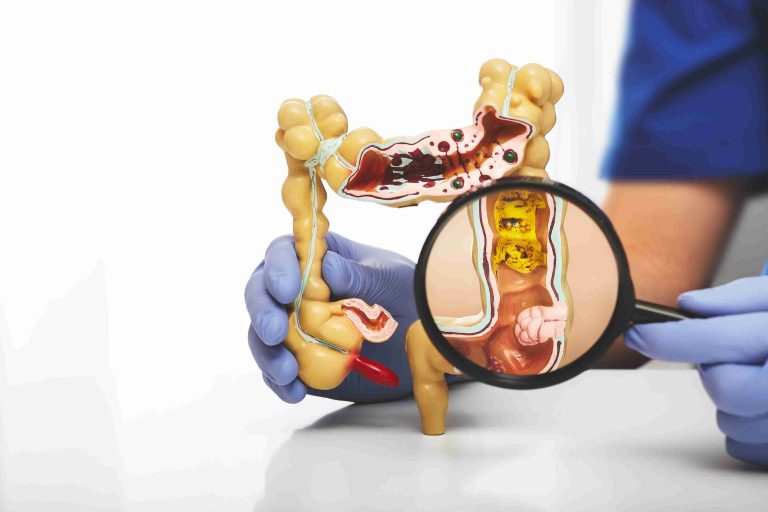
Key Takeaways
- Blood in stools generally indicates bleeding somewhere along the digestive tract and may come from benign causes like hemorrhoids or more serious conditions such as inflammatory bowel disease (IBD) or cancer.
- When blood in stools appears together with mucus, it more strongly suggests inflammation or infection of the bowel lining and deserves prompt medical evaluation.
- Mucus in stools alone is often harmless when present in small amounts, but large or persistent mucus can signal inflammation, infection, or IBS.
- Not all changes in stools with blood or mucus are life‑threatening, but any persistent or unexplained symptoms should be discussed with a healthcare provider.
Blood in stools refers to visible bleeding during or after a bowel movement, while mucus in stools involves a clear, jelly-like substance passing with feces. Although both can occur occasionally with minor issues like constipation or diarrhea, repetitive or significant blood in stools often points to a source of bleeding in the digestive tract that may require medical evaluation, and mucus can be a clue to inflammatory conditions such as IBD [1].
Blood in stools should always be taken seriously, as it indicates that there is bleeding somewhere along the gastrointestinal (GI) tract — from the anus to the stomach — and its characteristics (bright red vs dark or tarry) help doctors identify the likely source.
What Is Blood in Stools?
Blood in stools (sometimes called rectal bleeding) can appear as bright red, dark red, or black tarry blood, and it always reflects bleeding somewhere along the gastrointestinal (GI) tract [2]. Bright red blood typically indicates bleeding in the lower GI tract — such as the colon, rectum, or anus — while darker or tarry stools suggest bleeding higher up in the digestive system [3].
Common causes of blood in stools include:
- Hemorrhoids: Swollen veins in the rectum or anus that bleed during bowel movements.
- Anal fissures: Small tears in the anal lining causing sharp pain and bright red blood.
- Gastrointestinal infections: Bacterial or viral infections causing bloody diarrhea.
- Inflammatory bowel disease (IBD): Chronic inflammatory conditions like ulcerative colitis or Crohn’s disease.
- Peptic ulcers or upper GI bleeding: Sores in the stomach or duodenum that result in dark or tarry stools.
- Colon polyps and cancer: Growths in the colon that may bleed intermittently.
Symptoms That May Accompany Blood in Stools
Other than visible blood, symptoms may include:
- Abdominal cramps
- Diarrhea or constipation
- Weakness or fatigue
- Unintended weight loss
- Black or tarry stools
Persistent symptoms accompanying blood in stools should prompt urgent medical assessment [4].
What Is Mucus in Stools?
Mucus is a protective, jelly-like substance produced by the intestines to lubricate and protect the GI tract. While a small amount of mucus may be normal, visible or excessive mucus in stools often signals irritation or inflammation of the intestinal mucosa [5].
Mucus may occur in functional disorders like irritable bowel syndrome (IBS) and in inflammatory bowel diseases such as ulcerative colitis and Crohn’s disease.
Common causes of mucus in stools include:
- Irritable bowel syndrome (IBS): Functional disorder causing changes in bowel habits and mucus production.
- Intestinal infections: Viral, bacterial, or parasitic infections stimulating mucus production.
- Inflammatory bowel diseases (IBD): Conditions like ulcerative colitis and Crohn’s disease.
- Proctitis: Inflammation of the rectum causing mucus discharge.
- Food intolerances or sensitivities: Certain foods triggering mucus production.
Even though mucus in stools is often harmless, persistent or large amounts, especially with blood, may indicate a more serious condition [6].
Symptoms That May Accompany Mucus in Stools
Excess mucus may be paired with changes in bowel habits (like diarrhea or constipation), abdominal pain or cramping, and visible jelly-like or whitish streaks in the stool. Alone, mucus can be benign, but persistent or large amounts often warrant evaluation, particularly if other symptoms are present.
Blood in Stools vs Mucus in Stools: Key Differences
| Feature | Blood in Stools | Mucus in Stools |
| Appearance | Bright red, dark red, or black tarry blood | Clear, white, or yellow jelly-like substance |
| Typical Causes | Bleeding in GI tract, hemorrhoids, fissures, ulcers, IBD, cancer | Irritation or inflammation of intestinal lining, IBS, infection |
| Associated Conditions | Sometimes serious (cancer, ulcers, IBD) | Often benign but can indicate disease when excessive |
| Accompanied by Other Symptoms | Pain, changes in stool color/consistency, fatigue | Bloating, cramping, diarrhea or constipation |
Key distinction: bloody stools always reflect bleeding, whereas mucus in stools reflects increased mucus production due to irritation or inflammation.
When Both Blood and Mucus Appear
The presence of both blood and mucus in stools often suggests more significant bowel inflammation or irritation. This combination may occur in inflammatory bowel disease (both ulcerative colitis and Crohn’s disease), certain infections like dysentery or infectious colitis, and sometimes diverticulitis or proctitis. Because this combination can indicate chronic disease, medical evaluation including stool testing, colonoscopy, or imaging is often recommended.
When to Seek Medical Attention
Any instance of persistent or unexplained blood in stools should be evaluated by a healthcare provider, especially if accompanied by dizziness, fatigue, significant pain, or weight loss. Similarly, persistent or excessive mucus in stools, especially when paired with blood or other symptoms, requires professional assessment. Diagnostic procedures may include stool tests for occult blood or pathogens, colonoscopy, and imaging studies.
Conclusion
Both blood in the feces and mucus in stools can arise from minor digestive issues, but blood in stools always indicates active or recent bleeding in the GI tract. In contrast, mucus in stools reflects increased mucus production due to irritation, inflammation, or infection. The presence of mucus along with blood more strongly suggests underlying inflammatory conditions such as IBD or infections. Persistent, unexplained, or severe symptoms should always be evaluated by a healthcare professional.
References
- American Cancer Society. (2025). Does blood in stool mean cancer? Signs and symptoms of cancer. https://www.cancer.org/cancer/diagnosis-staging/signs-and-symptoms-of-cancer/blood-in-stool.html
- Cleveland Clinic. (2023). Rectal bleeding (blood in stool): Causes, colors & treatments. https://my.clevelandclinic.org/health/symptoms/14612-rectal-bleeding
- National Institute of Diabetes and Digestive and Kidney Diseases. (2025). Symptoms & causes of GI bleeding. https://www.niddk.nih.gov/health-information/digestive-diseases/gastrointestinal-bleeding/symptoms-causes
- Centers for Disease Control and Prevention. (2024). Ulcerative colitis basics. https://www.cdc.gov/inflammatory-bowel-disease/about/ulcerative-colitis-uc-basics.html
- Cleveland Clinic. (2025). Mucus in stool (poop). https://my.clevelandclinic.org/health/symptoms/mucus-in-stool
- Medical News Today. (2023). Mucus in stool: Is it normal? What causes it? https://www.medicalnewstoday.com/articles/310101