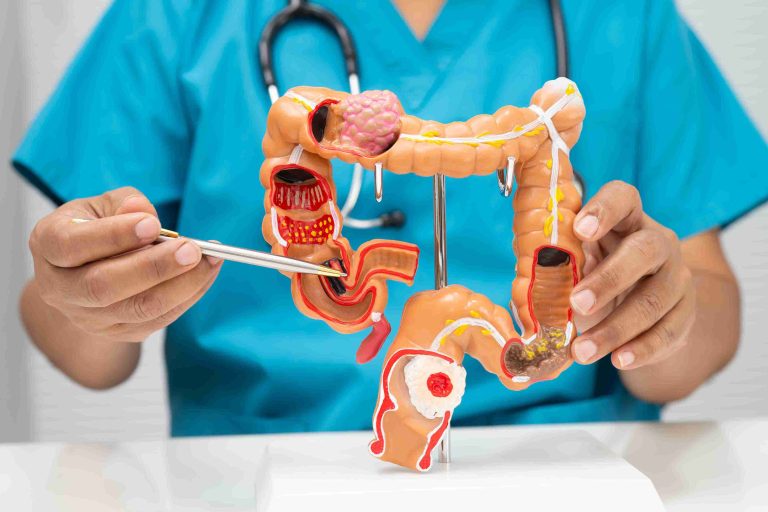
Key Takeaways
- Early detection and medical evaluation are essential to prevent complications and ensure timely treatment.
- Recognizing associated symptoms and risk factors helps differentiate between benign and serious causes.
- Blood in stools can indicate a wide range of conditions, from minor hemorrhoids to serious gastrointestinal disorders.
- A structured approach to evaluation, including diagnostic tests, improves patient outcomes.
Noticing blood in stools can be alarming and should never be ignored. The main reason blood in stools warrants prompt medical evaluation is that it may signal underlying gastrointestinal issues ranging from minor hemorrhoids to life‑threatening conditions like colorectal cancer or gastrointestinal bleeding [1]. Identifying the cause early allows for appropriate management and improves outcomes.
Here are the top 10 causes of blood in stools that patients should be aware of.
1. Hemorrhoids
Hemorrhoids, or swollen veins in the rectum or anus, are among the most common causes of blood in stools. They usually result in bright red blood coating the stool or seen on toilet paper, and are often related to straining during bowel movements or chronic constipation [2]. Causes include straining during bowel movements, chronic constipation, or pregnancy. Hemorrhoid-related bleeding is generally painless but may recur if the underlying cause persists.
2. Anal Fissures
Anal fissures are small tears in the lining of the anus, often caused by hard or large stools. Patients may notice bright red blood on the surface of the stool accompanied by sharp pain during bowel movements [3].
3. Diverticulosis
Diverticulosis occurs when small pouches form in the colon wall, which can bleed and cause bloody stools. This bleeding may be intermittent and can require diagnostic imaging or colonoscopy to identify the source [4]. Diverticular bleeding may be intermittent, often requiring diagnostic imaging or colonoscopy to identify the source.
4. Colorectal Polyps
Polyps are abnormal growths on the inner lining of the colon or rectum. Certain polyps can bleed, resulting in rectal bleeding, and early detection through routine screening is important as some polyps may progress to colorectal cancer if left untreated [5].
5. Colorectal Cancer
Colorectal cancer is a serious cause of blood in stools. Blood may appear as streaks on the stool or cause dark, tarry stools if bleeding occurs higher in the colon. Prompt colonoscopy is essential for early diagnosis and treatment [6].
6. Gastrointestinal Infections
Bacterial or viral infections affecting the intestines can cause inflammation and blood in stools. Conditions such as bacterial dysentery or severe gastroenteritis may produce stools that are loose, bloody, and accompanied by abdominal cramps, fever, and nausea. Early medical evaluation ensures appropriate treatment, especially for severe infections.
7. Inflammatory Bowel Disease (IBD)
Inflammatory bowel diseases, including ulcerative colitis and Crohn’s disease, often present with stool with blood. Symptoms may include diarrhea, abdominal pain, urgency, and weight loss. IBD is a chronic condition that requires long-term management and monitoring to prevent complications such as severe bleeding or anemia.
8. Angiodysplasia
Angiodysplasia is a vascular condition where fragile blood vessels in the gastrointestinal tract rupture, causing intermittent blood in stools. It is more common in older adults and may require endoscopic evaluation for diagnosis and treatment. Though often painless, repeated bleeding can lead to anemia.
9. Peptic Ulcers
Peptic ulcers in the stomach or upper small intestine can occasionally lead to blood in stools if the bleeding is significant. Ulcer-related bleeding often results in dark, tarry stools, sometimes accompanied by nausea, vomiting, and abdominal discomfort. Timely diagnosis and treatment reduce the risk of severe blood loss and complications.
10. Angiomas or Vascular Malformations
Rare vascular malformations or benign tumors in the gastrointestinal tract can cause blood in stools. While uncommon, these lesions may bleed intermittently and require diagnostic procedures such as colonoscopy or imaging for identification and management.
Summary Table: Common Causes of Blood in Stools
| Cause | Typical Presentation | Additional Symptoms | Notes |
| Hemorrhoids | Bright red blood on stool/toilet paper | Itching, discomfort | Often related to straining |
| Anal fissures | Bright red blood, pain during defecation | Sharp anal pain | Usually minor but persistent |
| Diverticulosis | Painless bleeding, sometimes large amounts | None typically | Requires colonoscopy if recurrent |
| Colorectal polyps | Occasional bleeding | Usually asymptomatic | Early detection prevents cancer |
| Colorectal cancer | Streaks or dark stools | Weight loss, bowel changes, fatigue | Requires urgent evaluation |
| GI infections | Bloody diarrhea | Fever, cramps, nausea | Treat underlying infection |
| Inflammatory bowel disease | Blood with diarrhea | Abdominal pain, urgency, weight loss | Chronic management needed |
| Angiodysplasia | Intermittent bleeding | Fatigue if anemia develops | Common in older adults |
| Peptic ulcers | Dark/tarry stools | Nausea, vomiting, epigastric pain | Requires endoscopic treatment |
| Vascular malformations | Intermittent bleeding | Often none | Diagnosis via imaging or endoscopy |
When to Seek Medical Attention
Any occurrence of blood in stools should prompt medical evaluation, especially if accompanied by:
- Persistent or heavy bleeding
- Abdominal pain or cramping
- Unexplained weight loss
- Fatigue or signs of anemia
Diagnostic procedures such as colonoscopy, stool tests, and imaging may be necessary to determine the cause and guide treatment. Early identification of serious conditions like colorectal cancer or IBD improves outcomes.
Preventive Measures
To reduce the risk of conditions causing blood in stools:
- Maintain a high-fiber diet to prevent constipation and hemorrhoids
- Stay hydrated and exercise regularly
- Undergo recommended colonoscopy screening for early detection of polyps or cancer
- Avoid excessive use of NSAIDs, which may contribute to ulcers
- Seek timely treatment for gastrointestinal infections
Conclusion
Blood in stools is a symptom that should never be ignored, as it can indicate both minor and serious gastrointestinal conditions. Hemorrhoids, anal fissures, diverticulosis, colorectal polyps, cancer, infections, IBD, vascular conditions, and ulcers are among the top causes.
Recognizing associated symptoms such as abdominal pain, changes in stool color, fatigue, or weight loss helps differentiate serious causes from minor ones. Prompt medical evaluation, appropriate diagnostic testing, and timely intervention are essential to prevent complications and ensure optimal outcomes.
Early attention to blood in stools can save lives, improve quality of life, and reduce the risk of advanced gastrointestinal disease.
References
- WebMD. (2024). Blood in stool (hematochezia): Causes, symptoms, and treatment. https://www.webmd.com/digestive-disorders/blood-in-stool
- Cleveland Clinic. (2025). Rectal bleeding (blood in stool): Causes, colors & treatments. https://my.clevelandclinic.org/health/symptoms/14612-rectal-bleeding
- Harvard Health Publishing. (2025). What can cause blood in stool? https://www.health.harvard.edu/diseases-and-conditions/what-can-cause-blood-in-stool
- MedicineNet. (2024). Blood in stool: What it means and how to treat it. https://www.medicine.net/news/Gastroenterology/Blood-in-Stool-What-It-Means-and-How-to-Treat-It.html
- GoodRx Health. (2025). Blood in stool causes and symptoms. https://www.goodrx.com/well-being/gut-health/blood-in-your-stool-causes-of-rectal-bleeding
- Medical News Today. (2025). Blood in stool: Causes and when to worry. https://www.medicalnewstoday.com/articles/blood-in-stool