Key Takeaways
- Colonoscopy is a gold-standard procedure for detecting and preventing colorectal diseases, including cancer.
- The procedure allows direct visualization of the entire colon, enabling diagnosis, biopsy, and polyp removal in one session.
- Understanding the science and mechanics of colonoscopy helps patients prepare effectively and reduces anxiety.
- Colonoscopy is both diagnostic and therapeutic, making it a cost-effective and vital tool for long-term colon health.
Understanding Colonoscopy
A colonoscopy is a medical procedure that examines the inner lining of the large intestine (colon) and rectum using a flexible tube equipped with a camera called a colonoscope. The procedure provides high-resolution images, allowing physicians to identify abnormalities, polyps, ulcers, inflammation, or early signs of colorectal cancer.
Colonoscopy test is recommended for:
- Routine colorectal cancer screening in adults aged 45 and older
- Evaluation of gastrointestinal symptoms such as rectal bleeding, chronic diarrhea, or unexplained abdominal pain
- Monitoring patients with a history of polyps or inflammatory bowel disease
How Colonoscopy Works: The Mechanics
1. Preparation
Before a colonoscopy, patients must undergo bowel preparation to clear the colon of stool. This is crucial for:
- Ensuring clear visibility of the colon lining
- Improving diagnostic accuracy
- Reducing the risk of missed lesions
Preparation typically involves:
- A clear liquid diet for 24 hours before the procedure
- Oral laxatives to cleanse the bowel
- Hydration to prevent dehydration during the process
2. Sedation and Comfort
A colonoscopy procedure is usually performed under sedation to minimize discomfort and anxiety. Sedation allows patients to remain relaxed and often unaware of the procedure. Local anesthesia may also be used to reduce any minor discomfort at insertion sites.
3. Insertion of the Colonoscope
The colonoscope, a flexible tube with a camera and light source, is gently inserted through the rectum. High-definition imaging allows real-time visualization of the colon wall. The scope can be maneuvered through the entire colon, reaching the cecum, which connects to the small intestine.
4. Insufflation
Air or carbon dioxide is introduced to expand the colon. This creates space for better visibility and allows the colonoscope to move smoothly. CO₂ is often preferred as it is absorbed faster, reducing post-procedure bloating.
5. Detection of Abnormalities
The colonoscope provides magnified images of the mucosa, helping physicians detect abnormalities such as:
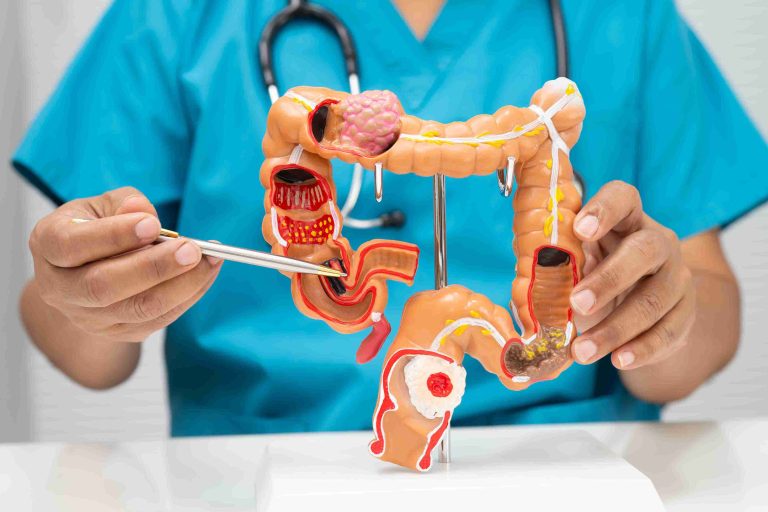
- Polyps (precancerous growths)
- Inflammation or ulcers
- Tumors or masses
Detection is enhanced by advanced imaging techniques, including narrow-band imaging (NBI) and high-definition scopes, which increase diagnostic accuracy.
6. Biopsy and Polyp Removal
If abnormalities are found, the colonoscope allows for immediate intervention:
- Polyps can be removed using specialized tools passed through the scope
- Tissue biopsies can be taken for pathological analysis
This dual diagnostic and therapeutic capability makes colonoscopy exams both preventive and curative in many cases.
7. Completion and Withdrawal
The colonoscope is carefully withdrawn while the physician inspects the colon lining again. Withdrawal time is crucial; studies show longer withdrawal correlates with higher detection rates of polyps and lesions.
Why Colonoscopy Is So Effective
- Direct Visualization: Unlike imaging tests, colonoscopy screening provides direct visualization of the colon lining, enabling identification of subtle lesions.
- Real-Time Intervention: Polyps and abnormal tissues can be removed immediately, reducing the risk of progression to cancer.
- Biopsy Capabilities: Histological examination of biopsied tissue confirms diagnosis, guides treatment, and monitors chronic conditions.
- Personalized Screening: Frequency and timing of colonoscopy can be tailored based on patient risk factors, such as family history, previous polyps, or inflammatory bowel disease.
Safety and Risks
Colonoscopy check is generally safe, but patients should be aware of potential risks:
- Minor bloating, cramping, or throat discomfort from sedation
- Rare complications such as bleeding from polyp removal or perforation of the colon
- Sedation-related side effects, usually mild and temporary
Proper preparation, experienced operators, and modern technology minimize risks, making colonoscopy a safe procedure for most adults.
Technological Advances in Colonoscopy
Recent innovations have enhanced the effectiveness of colonoscopy:
- High-Definition Scopes: Provide clearer images, increasing detection of small polyps
- Capsule Colonoscopy: A non-invasive option where a small camera pill captures images of the colon
- AI-Assisted Colonoscopy: Artificial intelligence algorithms help identify polyps in real-time, reducing missed lesions
- Narrow-Band Imaging (NBI): Enhances contrast in the mucosa to detect subtle abnormalities
These advancements improve detection rates, procedural efficiency, and overall patient outcomes while maintaining safety.
Preparing for Your Colonoscopy
Proper preparation improves results and reduces stress:
- Follow your physician’s instructions for bowel cleansing and diet
- Arrange transportation if sedation is used
- Discuss medications, allergies, and medical conditions with your healthcare provider
- Ask questions about what to expect during and after the procedure
Being informed enhances comfort, confidence, and adherence to recommended screening schedules.
Conclusion
Colonoscopy is a highly effective tool for maintaining colon health, combining diagnostic precision with therapeutic capabilities. By allowing direct visualization, biopsy, and polyp removal in one session, colonoscopy prevents colorectal disease progression and facilitates early treatment.
Understanding how colonoscopy works, from preparation to completion, helps patients appreciate its value, reduces anxiety, and supports proactive healthcare decisions. Regular colonoscopy screenings, tailored to individual risk factors, remain the cornerstone of colorectal disease prevention and early intervention.