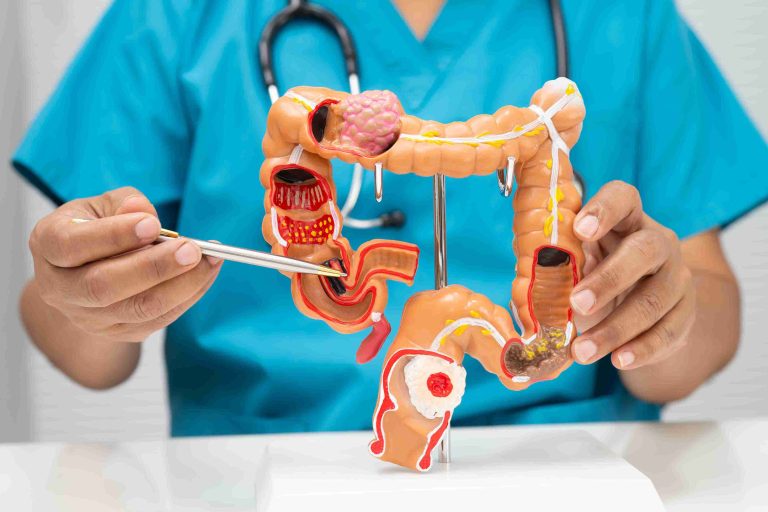
Key Takeaways
- Colonoscopy is a crucial screening tool for early detection of colorectal cancer and other gastrointestinal conditions.
- Delaying or skipping a colonoscopy increases the risk of late-stage disease, complications, and reduced treatment options.
- Colonoscopy can prevent colorectal cancer by identifying and removing polyps before they turn malignant.
- Regular colonoscopy screenings, as recommended by healthcare providers, significantly improve long-term digestive health outcomes.
Understanding Colonoscopy
A colonoscopy is a minimally invasive procedure in which a long, flexible tube equipped with a camera examines the entire colon and rectum. It allows physicians to identify abnormalities such as:
- Polyps or growths
- Early signs of colorectal cancer
- Inflammation or ulcers
- Sources of unexplained bleeding
Colonoscopy test is both diagnostic and preventive, making it a vital part of maintaining gastrointestinal health.
The Risks of Skipping Colonoscopy
Many individuals delay or skip colonoscopy due to fear, inconvenience, or cost concerns. However, postponing this procedure can have serious consequences:
1. Late Detection of Colorectal Cancer
The colonoscopy procedure is the gold standard for detecting colorectal cancer early. Skipping scheduled screenings may allow cancer to progress unnoticed, reducing survival rates and treatment effectiveness.
2. Missed Polyp Removal
Polyps are small growths in the colon that can develop into cancer over time. Colonoscopy allows for immediate polyp removal, preventing malignant transformation. Skipping the procedure eliminates this preventive opportunity.
3. Increased Complications
Undetected colorectal disease can lead to complications such as bowel obstruction, severe bleeding, or perforation. Early detection via colonoscopy reduces the risk of emergency interventions and complex surgeries.
4. Misdiagnosis or Delayed Diagnosis
Symptoms like rectal bleeding, abdominal pain, or changes in bowel habits may mimic less serious conditions. Colonoscopy provides definitive evaluation, ensuring accurate diagnosis and timely management.
Who Should Get a Colonoscopy
Screening guidelines vary depending on risk factors, age, and family history:
- Adults aged 45 and above are generally recommended for routine colonoscopy screening.
- Individuals with a family history of colorectal cancer or genetic syndromes may require earlier and more frequent colonoscopy.
- Those with chronic gastrointestinal conditions, such as inflammatory bowel disease (IBD), should follow individualized screening plans.
Adhering to recommended screening schedules ensures maximum preventive benefits.
How Colonoscopy Prevents Serious Disease
Colonoscopy is unique because it can both detect and prevent disease:
- Polyp Removal: Most colon cancers develop from polyps, which are easily removed during colonoscopy.
- Early Detection: Identifying cancer at an early stage improves treatment success and survival rates.
- Monitoring High-Risk Patients: Patients with previous polyps or family history benefit from regular follow-up colonoscopy, reducing long-term risk.
Skipping this procedure removes these protective benefits, increasing vulnerability to serious gastrointestinal conditions.
Common Barriers and Misconceptions
Fear and Anxiety
Many individuals avoid colonoscopy due to fear of discomfort or embarrassment. Understanding the procedure, sedation options, and preparation process can reduce anxiety and improve compliance.
Cost Concerns
While colonoscopy can be expensive, insurance coverage, public healthcare subsidies, and payment plans help make it more accessible. Delaying colonoscopy may result in higher future healthcare costs due to late-stage disease treatment.
Misunderstanding Symptoms
Some patients assume the absence of symptoms means colonoscopy is unnecessary. Colorectal cancer and polyps often develop silently, making routine colonoscopy essential even without symptoms.
Preparing for Colonoscopy
Proper preparation is crucial for a successful and accurate colonoscopy:
- Follow fasting and bowel preparation instructions carefully.
- Discuss medications, allergies, and medical history with your healthcare provider.
- Arrange transportation and post-procedure rest if sedation is used.
Effective preparation ensures clear visualization of the colon and accurate detection of abnormalities.
What to Expect During and After Colonoscopy
- The procedure typically lasts 30–60 minutes under sedation for patient comfort.
- Mild cramping or bloating may occur post-procedure but usually resolves within hours.
- Results may be communicated immediately if visual findings are conclusive, or after biopsy analysis.
Understanding these expectations can reduce anxiety and increase willingness to undergo regular colonoscopy.
Strategies to Stay Compliant with Screening
- Set Reminders: Schedule routine colonoscopy well in advance and use reminders to stay on track.
- Discuss Sedation Options: Sedation choices, including conscious sedation or anesthesia, can improve comfort and reduce anxiety.
- Leverage Insurance and Subsidies: Check coverage details and apply for public healthcare subsidies where available to manage out-of-pocket colonoscopy costs.
- Seek Support: Discuss the procedure with family or friends for encouragement and emotional support.
- Maintain Healthy Lifestyle: Diet, exercise, and avoiding tobacco or excessive alcohol can complement colonoscopy by reducing overall colorectal cancer risk.
Conclusion
Skipping a colonoscopy can lead to delayed diagnosis, untreated polyps, increased complications, and higher risk of colorectal cancer. Regular colonoscopy screenings provide both diagnostic and preventive benefits, improving long-term gastrointestinal health and survival outcomes.
Understanding the procedure, preparing adequately, and utilizing insurance or subsidy options help mitigate barriers and reduce anxiety. By prioritizing routine colonoscopy, individuals actively protect their digestive health and gain peace of mind, making early detection and prevention of serious gastrointestinal conditions achievable.