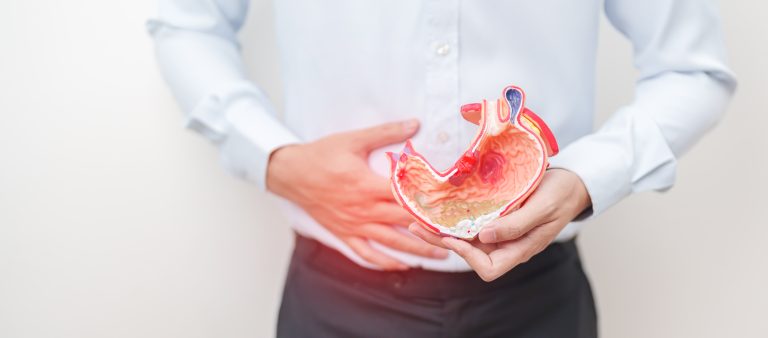
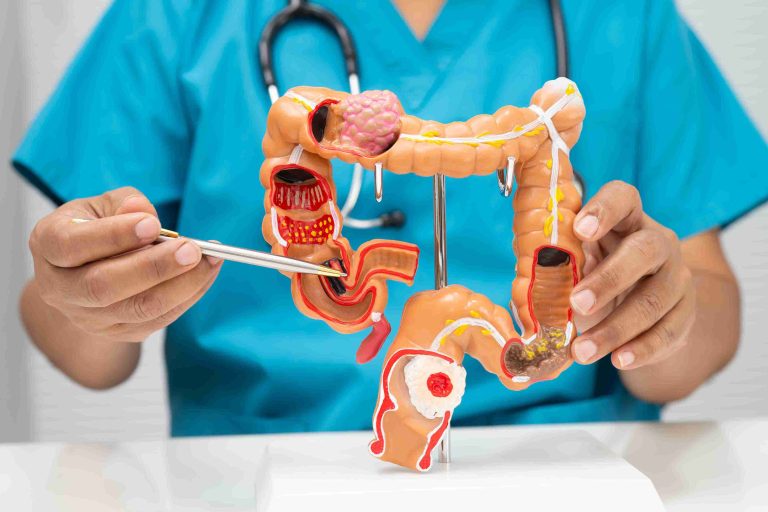
Colonoscopy is considered a very important screening procedure for detecting polyps, colorectal cancer, and other gastrointestinal issues. However, its accuracy largely depends on how well your bowel is prepared beforehand. A clean colon allows doctors to clearly visualize the intestinal lining, while an inadequate bowel prep can obscure findings and lead to missed diagnoses or the need to repeat the procedure.
Unfortunately, many patients make simple but critical mistakes before their colonoscopy. Understanding these errors can make the process smoother, more comfortable, and more effective.
Why Proper Bowel Prep Matters
The success of a colonoscopy heavily relies on bowel cleanliness. During the procedure, a thin, flexible tube with a camera is inserted through the rectum to examine the colon. Any residue, stool, or fluid can block the doctor’s view, making it difficult to detect small polyps or lesions.
If the bowel isn’t properly cleared, the procedure might need to be repeated—doubling discomfort, cost, and time. That’s why following the bowel preparation instructions exactly as prescribed is crucial.
Mistake #1: Not Following the Prep Instructions Exactly
One of the most common and serious mistakes patients make before a colonoscopy is failing to follow the doctor’s prep instructions precisely. Each medical facility may have its own specific prep protocol—often involving dietary restrictions and laxative schedules designed for maximum effectiveness.
Ignoring or modifying these instructions, such as taking the prep solution at a different time or skipping doses, can lead to poor results. Even small deviations—like eating solid food too soon—can leave stool residue in the colon and compromise the exam’s accuracy.
Mistake #2: Eating Solid Food Too Close to the Procedure
Most colonoscopy prep guidelines require patients to switch to a clear liquid diet at least 24 hours before the procedure. This means avoiding solid foods, dairy, and colored liquids that could mimic blood in the colon.
Many people mistakenly assume that a light meal, such as soup with bits of vegetables or crackers, won’t affect the procedure—but even small food particles can interfere with visibility. Clear liquids include water, clear broth, plain tea or coffee (without milk or creamer), and electrolyte drinks. Following this rule ensures the laxative solution can effectively flush the colon.
Mistake #3: Drinking the Bowel Prep Too Quickly or Too Slowly
The timing and pace of drinking the bowel prep solution are just as important as the solution itself. Some people gulp it down too fast in hopes of finishing early, while others sip it too slowly because of the unpleasant taste.
Drinking it too quickly can cause nausea, vomiting, and bloating—reducing the amount your body absorbs. Drinking it too slowly can lead to incomplete cleaning before the colonoscopy begins.
Doctors typically recommend drinking one glass every 10–15 minutes until the full dose is consumed. Splitting the prep into two doses (a split-dose method) is often the most effective way to ensure a clean colon without severe discomfort.
Mistake #4: Ignoring Hydration
Dehydration is another major issue during colonoscopy preparation. The laxatives used in bowel prep flush fluids and electrolytes from your system, which can leave you weak or dizzy.
Many patients avoid drinking extra water because they think it will dilute the prep solution—but the opposite is true. Proper hydration actually helps move the solution through your digestive system more efficiently, improving the cleansing effect.
Doctors recommend drinking plenty of clear fluids (water, broth, or electrolyte drinks) before, during, and after taking the prep solution, unless otherwise advised for medical reasons.
Mistake #5: Taking Medications Without Consulting the Doctor
Certain medications can interfere with a colonoscopy exam or increase the risk of complications. Blood thinners, diabetes medications, and iron supplements are common examples. Iron tablets can darken the lining of the colon, making it harder for doctors to see clearly.
Blood thinners increase bleeding risks if polyps are removed during the procedure. Patients should always discuss their current medications with their doctor well in advance of their colonoscopy test to receive specific guidance on what to stop or continue taking.
Mistake #6: Failing to Plan for Bathroom Access
Bowel prep is not a process to take lightly—it often requires several hours of frequent trips to the bathroom. Some patients underestimate this and try to go about their usual activities during prep.
The result? Uncomfortable situations, unnecessary stress, and sometimes incomplete cleaning if they can’t get to a restroom quickly enough. For the best results, it’s wise to stay home during the prep period. Keep your bathroom stocked with wipes, soothing ointments, and hydration drinks to make the process more tolerable.
Mistake #7: Choosing the Wrong Time to Take the Prep
Timing is everything when it comes to colonoscopy preparation. Some patients take the prep too early, leaving too much time between the cleaning and the procedure, allowing new waste to accumulate. Others take it too late, resulting in an incomplete bowel movement when they arrive at the clinic.
The ideal schedule is determined by your doctor, but in general, the split-dose method—taking half the prep the night before and the other half 4–6 hours before the procedure—has been shown to produce the cleanest results. This timing ensures your colon remains clear while minimizing discomfort.
Mistake #8: Avoiding the Prep Because of Taste
Let’s be honest—the taste of bowel prep solutions is not pleasant. Some patients find the salty, medicinal flavor unbearable and may stop halfway through. However, failing to finish the prep means incomplete cleansing. There are a few tricks to make the process easier:
- Chill the solution before drinking—it tastes better cold.
- Sip it through a straw to minimize contact with your taste buds.
- Suck on a lemon wedge or rinse with mouthwash between doses.
Newer low-volume or flavored solutions are now available in many colonoscopy centers, offering better tolerance without compromising effectiveness.
Mistake #9: Ignoring the Importance of Post-Prep Care
Once the bowel prep is done, some patients assume they can eat or drink anything before the colonoscopy. However, consuming solid food too soon before the procedure can lead to aspiration risks during sedation and interfere with the scope’s visibility.
Most clinics recommend stopping all liquids at least 2–4 hours before the procedure. After the colonoscopy, it’s also important to rehydrate and start with light, easily digestible meals to give your body time to recover from the laxative effects.
Mistake #10: Not Reporting Prep Problems to the Doctor
Sometimes, despite following instructions carefully, patients may experience issues such as vomiting, severe bloating, or inability to finish the solution. Many people feel embarrassed to call their doctor—but communication is essential.
If you vomit up part of the prep or cannot pass clear liquid stools by the end of the preparation, your doctor may need to adjust the plan. It’s better to reschedule or modify the approach than to proceed with an incomplete prep and risk an inaccurate colonoscopy.
Why These Mistakes Matter
Poor bowel preparation doesn’t just cause inconvenience—it can directly impact your health outcomes. Studies have shown that inadequate prep can cause doctors to miss up to 40% of polyps during a colonoscopy. These polyps, if undetected, could later develop into colorectal cancer. Additionally, incomplete prep often means repeating the entire process, which means more time off work, additional costs, and prolonged discomfort.
Tips for a Successful Colonoscopy Prep
To make your colonoscopy as effective and stress-free as possible, follow these key tips:
- Carefully read all instructions days before your procedure.
- Adjust your diet gradually—avoid high-fiber foods a few days before prep.
- Stay well-hydrated with clear liquids.
- Start the prep on time and complete every dose.
- Communicate with your doctor if any issues arise.
These small steps can make a big difference in ensuring accurate results and a smoother experience.
Conclusion
Preparing for a colonoscopy may not be the most pleasant experience, but it’s a vital step in preventing serious diseases like colorectal cancer. The procedure itself is safe, quick, and highly effective—if the colon is properly cleaned.
Avoiding common mistakes such as skipping instructions, eating solid food too soon, or cutting corners on hydration ensures that your doctor gets the clearest view possible. In short, the better your bowel prep, the better your colonoscopy outcome—and that means greater peace of mind for your long-term digestive health.