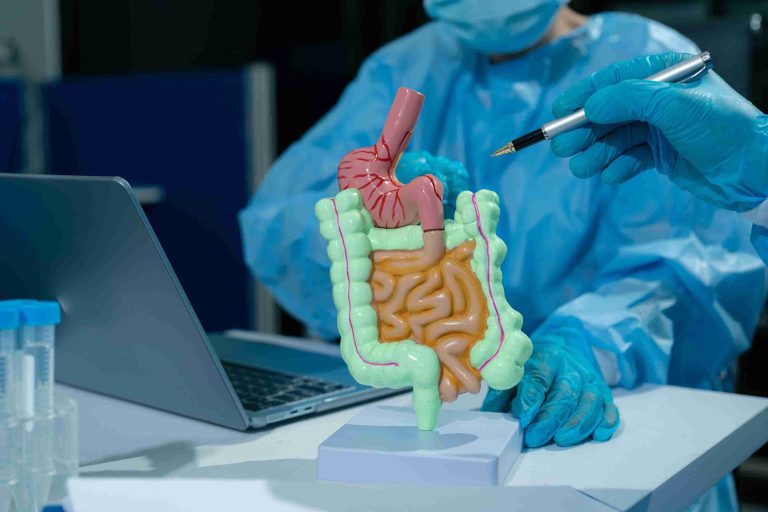
As life expectancy continues to rise, maintaining health and quality of life in the later years becomes more important than ever. One of the key preventive measures for older adults is colonoscopy screening, a powerful tool for detecting colorectal cancer early or even preventing it altogether.
While colonoscopy is widely recommended for adults aged 45 and above, questions often arise regarding its necessity, risks, and benefits for elderly patients. Understanding these factors helps older adults and their caregivers make informed, evidence-based decisions about their health.
Why Colonoscopy Screening Matters
Colorectal cancer remains one of the most common and deadly cancers worldwide, particularly affecting people over the age of 60. The disease often develops slowly, beginning as small, noncancerous growths called polyps that can become cancerous over time. Colonoscopy screening allows doctors to visualize the entire colon and rectum, remove polyps during the same procedure, and biopsy suspicious tissue.
Unlike other screening methods such as stool-based tests, a colonoscopy provides a comprehensive view of the colon lining, making it the gold standard for detection and prevention. For elderly patients, early detection is crucial because cancer treatment becomes more complex with age and comorbidities.
Age and the Role of Risk Factors
While the general recommendation is to begin colonoscopy screening at age 45, the decision to continue or stop screening later in life depends on individual health status and life expectancy. The U.S. Preventive Services Task Force (USPSTF) recommends routine screening up to age 75 for individuals in good health. Beyond this age, the decision becomes more personalized. For adults aged 76 to 85, the benefits of colonoscopy screening depend on several factors:
- Overall health and life expectancy: Screening may be beneficial for those expected to live at least 10 more years.
- Previous screening history: If a patient has never undergone a colonoscopy, they may still gain significant benefit even at an older age.
- Risk factors: A family history of colorectal cancer, certain genetic syndromes (like Lynch syndrome), or inflammatory bowel diseases (IBD) increase the need for continued vigilance.
For patients over 85, the risks of colonoscopy often outweigh the benefits due to increased vulnerability to complications and decreased likelihood of living long enough to benefit from early detection.
Benefits in Older Adults
The benefits of colonoscopy screening for elderly patients are substantial, especially when performed selectively and thoughtfully. Early detection leads to better treatment outcomes and, in many cases, complete removal of precancerous lesions before they turn malignant.
1. Early Detection Saves Lives
Early-stage colorectal cancer is far more treatable, often requiring less invasive treatment and offering higher survival rates. Colonoscopy can detect abnormalities before symptoms appear, giving elderly patients a fighting chance against a disease that can otherwise progress silently.
2. Prevention Through Polyp Removal
One unique advantage of the procedure is the ability to prevent cancer rather than just detect it. Removing precancerous polyps during the procedure reduces the risk of colorectal cancer developing later.
3. Improved Quality of Life
For older adults, avoiding advanced-stage cancer means maintaining independence and reducing the physical and emotional toll of complex treatments such as chemotherapy and surgery. Prevention is not only lifesaving but also enhances overall well-being.
Risks and Considerations in the Elderly
While colonoscopy is a safe procedure, the risks do increase slightly with age. Understanding these risks helps in balancing potential benefits against possible complications.
1. Procedural Risks
Older patients are more prone to complications such as bleeding, perforation of the colon, or adverse reactions to sedation. The risk of perforation increases slightly due to age-related thinning of the intestinal walls.
2. Sedation-Related Concerns
Sedation is generally safe, but elderly patients with heart, lung, or neurological conditions may experience slower recovery or temporary confusion after the procedure. In such cases, lighter sedation or alternative screening methods may be considered.
3. Bowel Preparation Challenges
Preparing for a colonoscopy test requires clearing the colon using laxatives and dietary restrictions, which can be physically demanding. Dehydration, electrolyte imbalances, and fatigue may occur, particularly in frail older adults. Physicians often adjust the prep method to ensure safety and comfort.
4. Diminishing Returns in Very Old Age
As individuals reach their late 80s or 90s, the benefits of detecting slow-growing cancers diminish. The decision to continue screening should consider the patient’s overall health, mobility, and personal preferences.
Alternatives to Colonoscopy Screening
For elderly patients unable or unwilling to undergo colonoscopy exams, several noninvasive alternatives are available. These may serve as preliminary tests or substitutes in specific situations.
- Fecal Immunochemical Test (FIT): Detects hidden blood in the stool, which can indicate cancer or large polyps. It is done annually and poses no risk.
- Stool DNA Test (Cologuard): Checks stool samples for DNA mutations and blood associated with colorectal cancer. It’s done every 3 years and requires no bowel preparation.
- CT Colonography (Virtual Colonoscopy): Uses imaging to visualize the colon. While less invasive, it still requires bowel prep and exposes patients to low-dose radiation.
These alternatives can be particularly useful for elderly patients with medical conditions that make traditional colonoscopy riskier.
Personalized Decision-Making: Balancing Benefits and Risks
Colonoscopy procedures in elderly patients should never follow a one-size-fits-all rule. Instead, it should be a shared decision between the patient, their family, and their healthcare provider. The decision should consider:
- Life expectancy and overall health status
- Prior screening results and findings
- Patient preferences and values
- Risks associated with sedation and preparation
For example, an active 78-year-old with no major illnesses and a family history of colon cancer might still benefit from the procedure. In contrast, an 82-year-old with multiple chronic diseases may be better off avoiding it and focusing on comfort and quality of life.
Preparing Elderly Patients for Colonoscopy
Proper preparation can significantly improve the safety and effectiveness of screening for older adults. Here are a few key recommendations:
- Hydration Is Key: Encourage plenty of clear fluids before and after bowel prep to avoid dehydration.
- Medication Review: Doctors should review all medications, including blood thinners, diabetes drugs, and heart medications, to prevent interactions or complications.
- Supervised Recovery: Elderly patients should have someone accompany them before and after the procedure due to temporary sedation effects.
- Tailored Sedation: Using lighter or shorter-acting sedatives can help minimize confusion or dizziness after the procedure.
With proper planning, the majority of older adults can undergo colonoscopy safely and comfortably.
What Recent Research Says
Studies continue to affirm the value of colonoscopy for selected elderly patients. Research published in the Journal of the American Medical Association (JAMA) found that screening individuals between 76 and 85 years old reduced colorectal cancer mortality rates, particularly among those with no prior screenings. However, beyond age 85, the benefit sharply declines.
Another study from Gastroenterology reported that colonoscopy remains cost-effective up to age 80 in individuals without major comorbidities. These findings highlight that chronological age alone should not determine screening eligibility—functional status and health outlook matter more.
The Future of Colon Cancer Prevention in Aging Populations
As medicine advances, colon cancer screening is becoming more personalized and less invasive. Innovations such as artificial intelligence-assisted colonoscopy, improved bowel preps, and targeted genetic testing are making screening safer and more precise. For elderly patients, this means more options and fewer risks.
Healthcare providers now emphasize “right patient, right test, right time.” Rather than stopping screening based on age alone, the focus is shifting to individualized care that maximizes benefits and minimizes harm.
Conclusion
Colon cancer screening remains one of the most effective tools for detecting and preventing colorectal cancer—even in older adults. While risks increase with age, careful assessment of each patient’s health status, preferences, and life expectancy ensures that screening remains both safe and beneficial.
For elderly patients in good health, continuing screening may be a life-saving choice. For those with serious illnesses or limited mobility, less invasive alternatives can still provide peace of mind. Ultimately, the goal is not just longevity, but maintaining a healthy, fulfilling life—something preventive care like colonoscopy helps make possible.