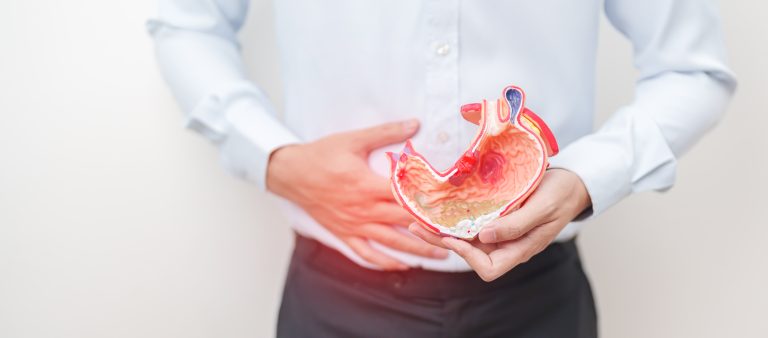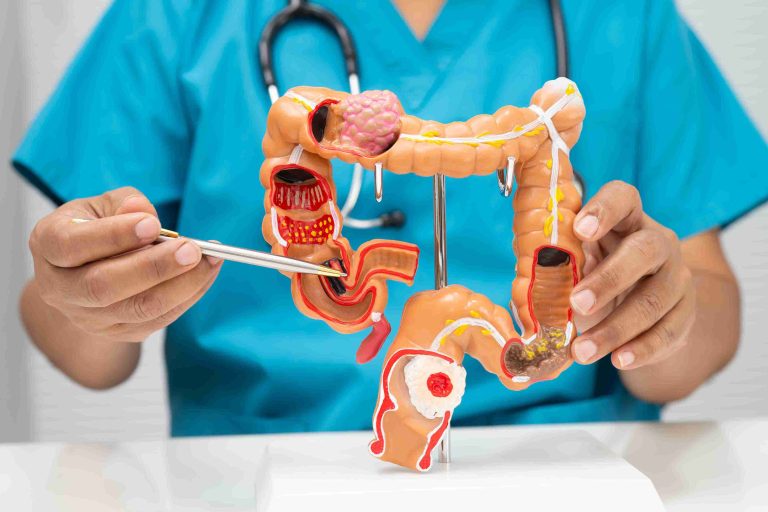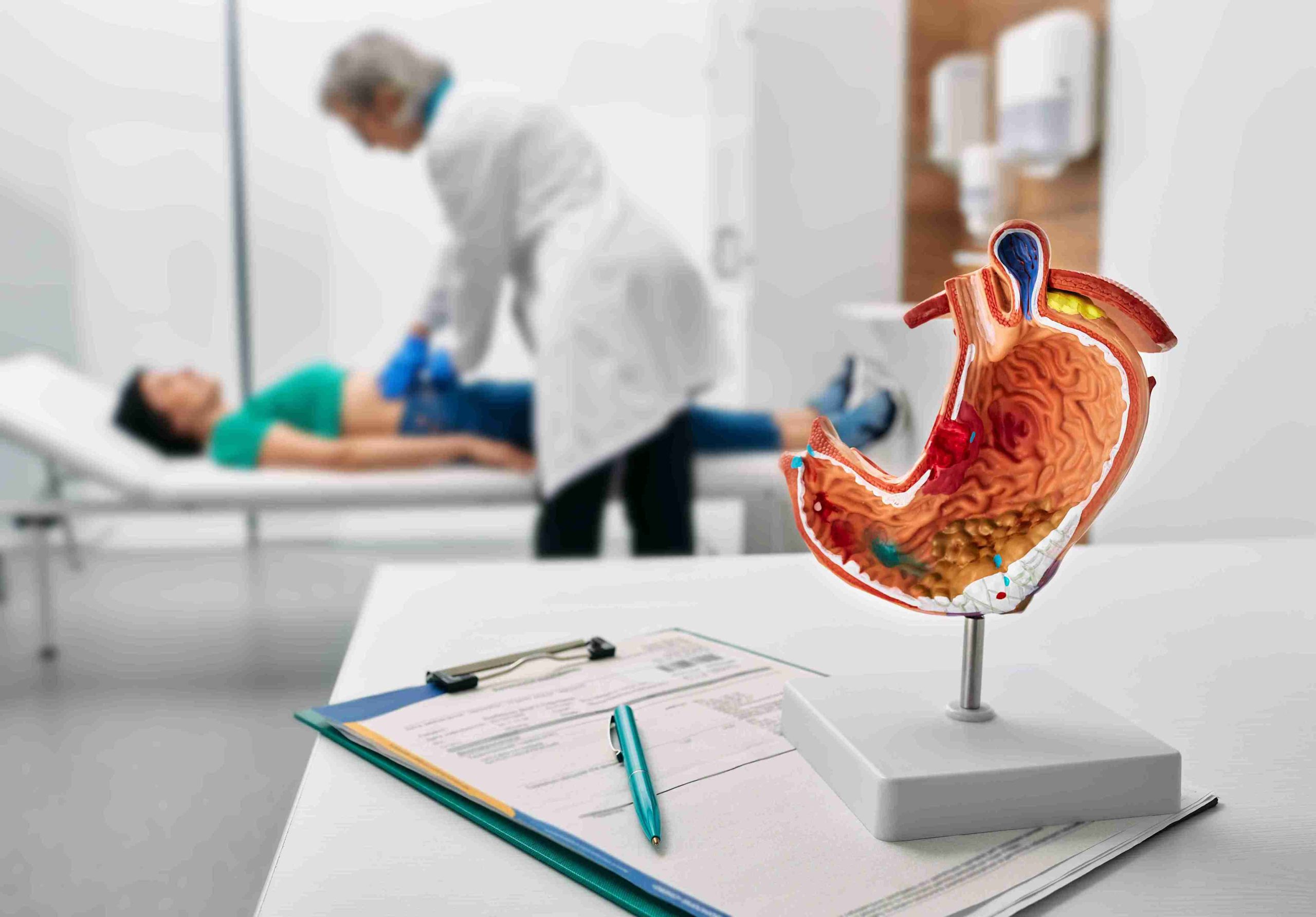
Stomach pain is a common complaint that can range from mild discomfort to severe distress. It can be caused by various factors, including gastritis, ulcers, infections, or even more serious conditions such as stomach cancer. Identifying the root cause of persistent or severe stomach pain is crucial for effective treatment. One of the most reliable diagnostic tools for stomach-related issues is gastroscopy. This procedure allows doctors to examine the inside of the stomach and esophagus in detail, helping to diagnose and manage various gastrointestinal conditions.
What Is Gastroscopy?
Gastroscopy, also known as an upper endoscopy, is a medical procedure that involves the insertion of a thin, flexible tube with a camera (endoscope) through the mouth into the esophagus, stomach, and the first part of the small intestine (duodenum).
This procedure provides a clear, real-time view of the digestive tract, allowing doctors to detect abnormalities such as inflammation, ulcers, or tumors. In some cases, gastroscopy can also be used to collect tissue samples (biopsy) or perform minor treatments, such as stopping internal bleeding.
When Is Gastroscopy Recommended for Stomach Pain?
Doctors may recommend gastroscopy if a patient experiences persistent stomach pain that does not improve with initial treatment or lifestyle changes. Some specific situations where gastroscopy is beneficial include:
- Chronic or Severe Stomach Pain: If stomach pain lasts for weeks or months without a clear cause, gastroscopy can help identify underlying conditions such as peptic ulcers or gastritis.
- Unexplained Weight Loss: Significant weight loss without dietary changes may indicate an underlying gastrointestinal issue that requires investigation.
- Difficulty Swallowing (Dysphagia): Trouble swallowing can be a symptom of esophageal narrowing, inflammation, or tumors.
- Vomiting or Nausea: Frequent vomiting, especially if it contains blood, could indicate stomach ulcers, bleeding, or other serious conditions.
- Suspected Gastrointestinal Bleeding: If there is blood in stools or vomit (which may appear black and tarry), gastroscopy can help locate and address the source of bleeding.
- Persistent Acid Reflux or Heartburn: Chronic acid reflux (GERD) can cause damage to the esophagus and may lead to complications such as Barrett’s esophagus.
How Gastroscopy Helps Diagnose and Treat Conditions
Gastroscopy is a valuable tool in both diagnosing and treating stomach pain-related conditions. Here’s how it aids in different gastrointestinal disorders:
1. Peptic Ulcers
Peptic ulcers are open sores that develop on the lining of the stomach or small intestine. They can cause burning stomach pain, nausea, and bloating. Gastroscopy allows doctors to directly visualize ulcers and determine their severity. In some cases, they may also test for Helicobacter pylori (H. pylori), a bacteria linked to ulcer formation. Treatment often includes antibiotics and acid-reducing medications.
2. Gastritis
Gastritis is inflammation of the stomach lining, which can be caused by infections, long-term use of NSAIDs (such as ibuprofen), excessive alcohol consumption, or stress. Gastroscopy helps confirm the presence of inflammation and allows doctors to take biopsies if needed to rule out more serious conditions like cancer.
3. Gastroesophageal Reflux Disease (GERD)
GERD occurs when stomach acid frequently flows back into the esophagus, causing symptoms such as heartburn and chest pain. Gastroscopy is useful in detecting complications such as esophagitis (inflammation of the esophagus) and Barrett’s esophagus, a condition that increases the risk of esophageal cancer.
4. Stomach Cancer
Although stomach cancer is less common than other digestive diseases, early detection is key to successful treatment. Gastroscopy allows doctors to examine suspicious growths and take biopsies for further analysis. If detected early, stomach cancer has a better prognosis with timely medical intervention.
5. Hiatal Hernia
A hiatal hernia occurs when part of the stomach pushes through the diaphragm into the chest cavity. It can cause stomach pain, acid reflux, and difficulty swallowing. Gastroscopy helps diagnose hiatal hernias and assess their severity.
What to Expect During and After a Gastroscopy
During the Procedure
Gastroscopy is usually performed as an outpatient procedure and takes about 15-30 minutes. The patient may receive a local anesthetic to numb the throat and a mild sedative to relax. The doctor gently inserts the endoscope through the mouth, down the esophagus, and into the stomach and duodenum. Images from the camera are displayed on a monitor, allowing for real-time examination.
After the Procedure
Following the gastroscopy, patients may experience mild throat discomfort or bloating due to the air introduced during the procedure. These symptoms usually subside within a few hours. If sedation was used, it is advised to rest for the remainder of the day and avoid driving or making important decisions.
Risks and Complications
Gastroscopy is generally a safe procedure with minimal risks. However, as with any medical procedure, there are potential complications, including:
- Sore Throat: Mild irritation in the throat that usually resolves quickly.
- Bloating or Gas: Due to the air introduced during the examination.
- Bleeding: Rare but possible, especially if a biopsy was taken or a treatment was performed.
- Perforation: Extremely rare but serious, this occurs when a small hole is made in the stomach or esophagus.
If a patient experiences severe chest pain, difficulty breathing, fever, or persistent bleeding after the procedure, they should seek immediate medical attention.
Alternative Diagnostic Methods
While gastroscopy is one of the most effective methods for diagnosing gastrointestinal issues, other diagnostic tests may be used in certain cases:
- Barium Swallow X-ray: A contrast dye is swallowed, and X-rays are taken to detect abnormalities in the esophagus and stomach.
- CT Scan or MRI: These imaging techniques provide detailed cross-sectional images of the digestive tract.
- Stool Tests: Can help detect infections, blood, or digestive disorders.
- Breath Tests: Often used to detect H. pylori infection.
When to Talk to a Doctor About Gastroscopy
Anyone experiencing persistent or severe stomach pain should consult a doctor to determine if gastroscopy is necessary. It is especially important to seek medical advice if symptoms include:
- Unexplained weight loss
- Blood in stool or vomit
- Frequent or severe acid reflux
- Difficulty swallowing
- Chronic nausea or vomiting
Early diagnosis through gastroscopy can lead to more effective treatment and better outcomes.
Conclusion
Gastroscopy is a valuable diagnostic tool for evaluating stomach pain and other digestive issues. It helps detect conditions such as ulcers, gastritis, GERD, and even stomach cancer, allowing for early treatment and management. The procedure is safe, minimally invasive, and provides detailed insights into the digestive tract. If stomach pain persists or worsens, consulting a doctor about gastroscopy can be a crucial step toward finding relief and improving overall digestive health.