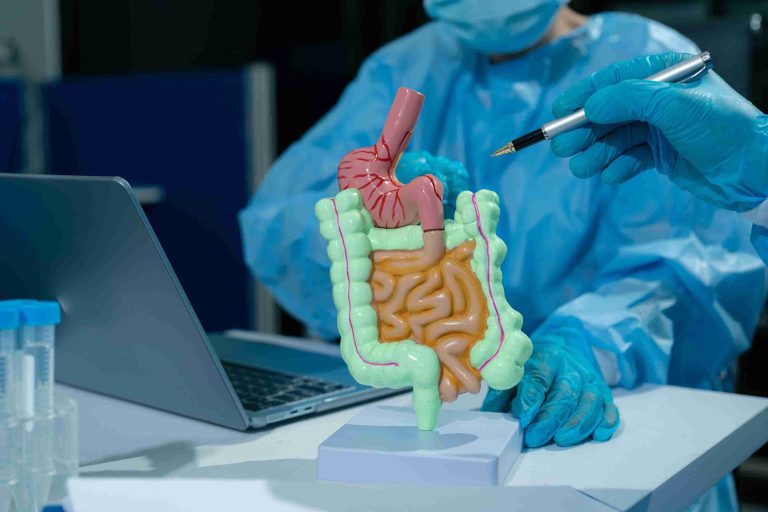
Colonoscopy screening is a crucial procedure for detecting and preventing colorectal cancer. It allows doctors to identify and remove polyps before they develop into cancer, significantly reducing the risk of the disease.
However, many people feel uncertain or anxious about discussing colonoscopy screening with their doctor. Understanding the importance of the procedure, knowing what questions to ask, and preparing for the conversation can help make the discussion more effective and reassuring.
Understanding the Importance of Colonoscopy Screening
Colonoscopy screening is recommended for individuals over the age of 45, or earlier if they have a family history of colorectal cancer or other risk factors. The procedure helps detect abnormalities in the colon, such as polyps or early signs of cancer, before symptoms appear. Since colorectal cancer is one of the leading causes of cancer-related deaths, early detection through screening can be life-saving.
By having an open discussion with your doctor, you can better understand how colonoscopy screening applies to your personal health. Your doctor can explain the benefits, risks, and alternatives to ensure you make an informed decision about your digestive health.
When to Bring Up Colonoscopy Screening with Your Doctor
If you are approaching the recommended screening age, have a family history of colorectal cancer, or experience symptoms such as changes in bowel habits, blood in stool, or unexplained weight loss, it is important to bring up colonoscopy screening with your doctor. The earlier you initiate the conversation, the sooner you can assess your risk and determine the best time for screening.
A good opportunity to discuss colonoscopy screening is during an annual physical exam or a wellness visit. If you have specific concerns about digestive health, mention them during your appointment so your doctor can provide appropriate guidance.
Questions to Ask Your Doctor About Colonoscopy Screening
To have a productive conversation with your doctor, prepare a list of questions regarding colonoscopy screening. Some important topics to cover include:
- When should I start colonoscopy screening? Age and risk factors influence the recommended timing for screening.
- How often should I have a colonoscopy? The frequency of screening depends on individual risk factors and previous test results.
- What are the risks and benefits of the procedure? Understanding potential complications, such as bleeding or perforation, alongside the benefits of early detection can help you make an informed choice.
- Are there alternative screening methods? While colonoscopy is the most effective, other tests such as stool-based screenings or virtual colonoscopy may be options.
- How should I prepare for the procedure? Your doctor can provide instructions on diet and bowel preparation to ensure the test is effective.
Addressing Concerns About the Procedure
It is common for patients to feel anxious about colonoscopy screening due to misconceptions about the procedure. Some people worry about discomfort, while others may fear the results. Your doctor can explain the sedation process used during the test, which ensures that patients are comfortable and pain-free.
If you are concerned about the bowel preparation process, your doctor may provide tips on making it more manageable, such as using flavored electrolyte solutions or splitting the preparation into two doses. Understanding what to expect can help alleviate anxiety and make you more comfortable with the decision to undergo screening.
Discussing Personal Risk Factors with Your Doctor
Your risk for colorectal cancer is influenced by various factors, including family history, diet, lifestyle, and underlying medical conditions such as inflammatory bowel disease (IBD) or a history of polyps. Inform your doctor about any relevant medical history, including:
- Family members who have had colorectal cancer or polyps
- A personal history of digestive issues, such as Crohn’s disease or ulcerative colitis
- Dietary habits, including high consumption of processed foods or low fiber intake
- Lifestyle factors such as smoking, alcohol consumption, or physical inactivity
By discussing these factors, your doctor can provide a personalized screening schedule and recommendations for reducing your risk through lifestyle changes.
Understanding the Screening Process
During your conversation, your doctor will explain how colonoscopy screening is performed. The procedure involves inserting a flexible tube with a camera into the colon to examine the lining for polyps or abnormalities. The test typically takes about 30 to 60 minutes, and patients are under sedation, making it a painless experience.
Your doctor will also explain the recovery process. Most patients can go home the same day, but they may need to rest and avoid driving due to the effects of sedation. Understanding the steps involved can help ease any apprehensions about the procedure.
What to Expect After the Colonoscopy
After the screening, your doctor will review the results and discuss any findings. If polyps are detected, they may be removed during the procedure and sent for testing. Depending on the results, your doctor will recommend when your next screening should be scheduled.
If no abnormalities are found, and you have an average risk of colorectal cancer, you may not need another colonoscopy for 10 years. However, if polyps or other concerns are present, more frequent screenings may be necessary. Your doctor will guide you on the appropriate follow-up care.
Encouraging Family Members to Get Screened
If you have a family history of colorectal cancer, discussing colonoscopy screening with your doctor can also help inform your loved ones about their own screening needs. Encourage family members to discuss screening with their doctors, as early detection can prevent colorectal cancer from developing. By sharing your experience and information, you can help others overcome fears or misconceptions about the procedure and promote the importance of preventive healthcare.
Overcoming Barriers to Colonoscopy Screening
Many people avoid colonoscopy screening due to fear, embarrassment, or concerns about the cost. If cost is a concern, ask your doctor about insurance coverage and available financial assistance programs. Many health plans cover colonoscopy screenings as a preventive service.
If fear or embarrassment is preventing you from scheduling a colonoscopy, talking openly with your doctor can help address these concerns. Remember that colonoscopy is a routine medical procedure designed to protect your health.
Conclusion
Colonoscopy screening is a vital tool for preventing and detecting colorectal cancer early. Having an open and informed discussion with your doctor about when to get screened, what to expect, and how to prepare can help ease concerns and ensure you receive the best possible care. By taking a proactive approach and encouraging loved ones to consider screening, you can play a crucial role in maintaining digestive health and reducing the risk of colorectal cancer.