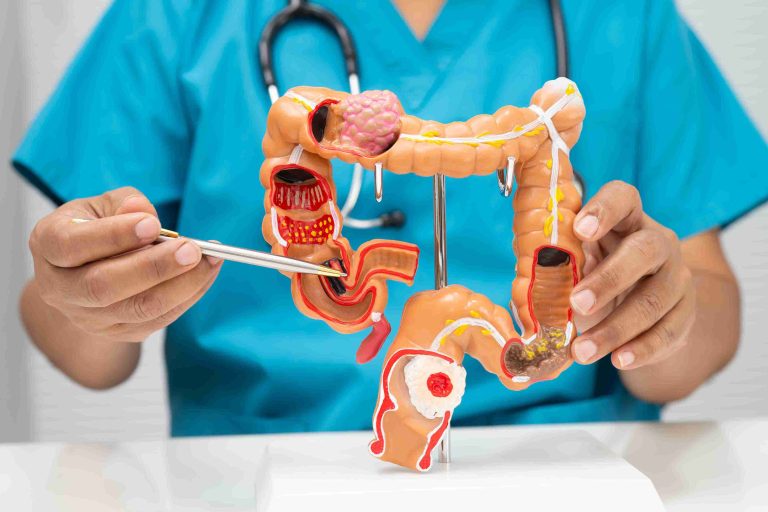
Abdominal pain is a common complaint that almost everyone experiences at some point. While most cases resolve on their own or with simple remedies, certain situations require immediate medical attention.
Understanding when abdominal pain becomes an emergency can make a critical difference in outcomes. In this article, we’ll explore the causes of abdominal pain, the warning signs of emergencies, and when to seek professional help.
Understanding Abdominal Pain: Common Causes
Abdominal pain can result from a variety of causes, ranging from mild digestive issues to life-threatening conditions. Common causes include indigestion, gas, constipation, or menstrual cramps, all of which are usually manageable with home remedies. On the other hand, more serious conditions such as appendicitis, gallstones, ulcers, or intestinal blockages can also present with abdominal discomfort.
The type, intensity, and location of the pain often provide clues about its underlying cause. For instance, sharp pain in the lower right abdomen might indicate appendicitis, while burning pain in the upper abdomen could signal a gastric ulcer. However, it’s essential to note that symptoms may overlap, making it difficult to self-diagnose.
Warning Signs of Emergency Abdominal Pain
Not all abdominal pain requires urgent medical care, but certain symptoms should never be ignored. If you experience any of the following warning signs, it is important to seek emergency medical attention immediately.
Severe and Sudden Pain
Pain that is sudden, intense, or feels like it came out of nowhere is a significant red flag. Conditions such as a ruptured appendix, perforated ulcer, or abdominal aortic aneurysm can cause sudden and severe abdominal pain, which requires immediate evaluation.
Pain with Fever and Chills
Abdominal pain accompanied by fever and chills may suggest an infection, such as diverticulitis, cholecystitis, or a pelvic inflammatory disease. These infections can escalate quickly and may require antibiotics or surgical intervention.
Persistent Vomiting or Blood in Vomit
While occasional vomiting due to a stomach virus or food poisoning is not uncommon, persistent vomiting that lasts more than 24 hours or contains blood is alarming. Vomiting blood may indicate gastrointestinal bleeding or an esophageal tear, both of which are medical emergencies.
Abdominal Pain with Blood in Stools
Blood in the stools, particularly when paired with abdominal pain, could signal conditions such as inflammatory bowel disease, colorectal cancer, or a bleeding ulcer. Bright red blood suggests bleeding in the lower gastrointestinal tract, while dark, tarry stools point to upper gastrointestinal bleeding.
Pain Worsening Over Time
Pain that starts mild but gradually worsens or spreads to other areas of the abdomen is concerning. For example, in appendicitis, the pain often begins near the navel before shifting to the lower right abdomen and intensifying over time.
Difficulty Breathing or Chest Pain
If abdominal pain is accompanied by shortness of breath, chest pain, or dizziness, it could indicate a heart attack, especially in women. Though typically associated with chest pain, heart attacks can sometimes present with abdominal discomfort.
Abdominal Pain in Specific Populations
Certain populations are at higher risk of complications from abdominal pain and may require extra vigilance.
Children
Children may not always articulate their symptoms clearly, making it challenging to determine the cause of abdominal pain. Conditions like intussusception, appendicitis, or urinary tract infections are more common in children and require prompt evaluation.
Pregnant Women
Abdominal pain during pregnancy could indicate serious issues such as ectopic pregnancy, preeclampsia, or placental abruption. Any abdominal discomfort during pregnancy should be assessed by a healthcare provider immediately.
Older Adults
In older adults, abdominal pain may be caused by more severe conditions such as ischemic bowel disease, aortic aneurysms, or cancer. Delayed treatment in these cases can lead to life-threatening complications.
When to Go to the Emergency Room
If you’re unsure whether abdominal pain warrants a visit to the emergency room, it’s better to err on the side of caution. Call an ambulance or head to the ER if you experience:
- Unbearable pain that disrupts daily activities
- Pain with signs of internal bleeding (blood in vomit or stools)
- Persistent vomiting or inability to pass stools or gas
- Severe dehydration symptoms, such as dizziness or confusion
- Pain following trauma, such as an accident or injury
Delaying care can lead to serious complications, particularly in conditions like a ruptured appendix or intestinal perforation.
How Doctors Diagnose Emergency Abdominal Pain
In emergency settings, doctors use a combination of physical examinations, imaging tests, and blood work to determine the cause of abdominal pain.
During the physical exam, the doctor may palpate the abdomen to identify areas of tenderness or swelling. Imaging tests such as ultrasound, CT scans, or X-rays provide a clearer picture of what’s happening inside the abdomen. Blood tests can reveal signs of infection, inflammation, or anemia.
The goal is to identify life-threatening conditions quickly so appropriate treatment can be initiated. This may involve medication, procedures like endoscopy, or emergency surgery.
Preventing Abdominal Pain Emergencies
While not all abdominal pain can be prevented, adopting a healthy lifestyle can reduce your risk of certain conditions. A balanced diet high in fiber can prevent constipation and diverticulosis, while avoiding excess alcohol and spicy foods may reduce the risk of ulcers and gastritis.
Additionally, regular health check-ups can help detect issues like gallstones or colorectal cancer early, preventing complications. If you have chronic conditions such as Crohn’s disease or irritable bowel syndrome, working closely with your doctor to manage your symptoms can also help prevent emergencies.
Conclusion
Abdominal pain can range from a mild inconvenience to a medical emergency. Knowing when to seek immediate care is crucial in preventing serious complications. Severe or persistent pain, blood in stools, or symptoms like vomiting and fever are clear indicators that medical attention is needed.
If you’re experiencing abdominal pain and are unsure of its severity, don’t hesitate to consult a healthcare provider. Timely intervention can save lives and ensure better health outcomes.