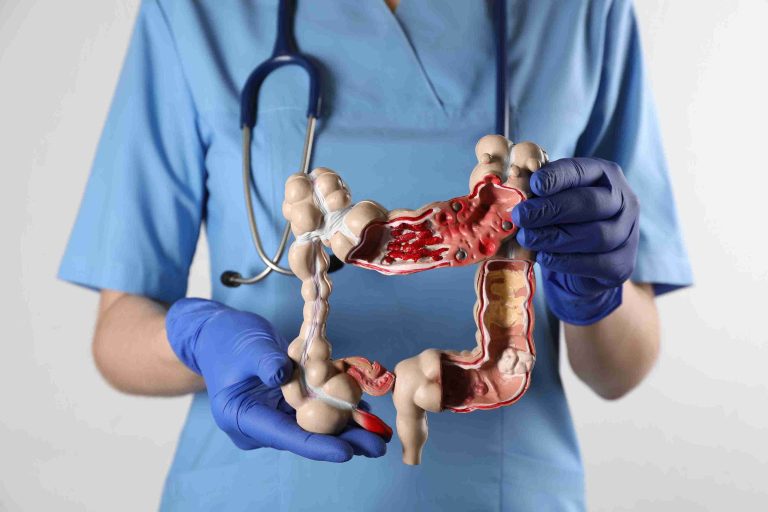
When it comes to diagnosing upper digestive tract problems, few tools are as valuable as a gastroscopy. This minimally invasive procedure allows doctors to view the inside of the esophagus, stomach, and the upper part of the small intestine using a flexible tube with a camera at its tip. It’s commonly recommended when patients report persistent symptoms like heartburn, nausea, vomiting, unexplained weight loss, or difficulty swallowing.
Early detection is key in managing digestive disorders, and gastroscopy offers a direct look at internal structures, enabling physicians to detect abnormalities even before symptoms become severe. Below are seven conditions that gastroscopy can help identify in their early stages, giving patients the best chance at effective treatment and recovery.
1. Gastric (Stomach) Ulcers
Gastric ulcers are sores that develop on the stomach lining due to an imbalance between digestive acids and protective mucus. The most common causes include Helicobacter pylori infection and the overuse of non-steroidal anti-inflammatory drugs (NSAIDs).
Symptoms can include a burning sensation in the stomach, bloating, and nausea. Left untreated, ulcers can bleed or even perforate, leading to serious complications. Gastroscopy allows direct visualization of the ulcer and the ability to biopsy the area to rule out cancerous changes.
2. Esophageal Cancer
Early-stage esophageal cancer often presents with subtle or no symptoms. By the time swallowing difficulties and weight loss occur, the disease may already be advanced. Gastroscopy is crucial for identifying early lesions or abnormal changes in the esophageal lining. In high-risk individuals—such as those with chronic acid reflux or Barrett’s esophagus—regular surveillance via gastroscopy can significantly increase the chances of detecting esophageal cancer early, when treatment outcomes are far better.
3. Barrett’s Esophagus
This condition occurs when chronic acid reflux causes the cells in the lower esophagus to change into a type not usually found there. These abnormal changes are considered precancerous and can lead to esophageal adenocarcinoma if not managed properly.
Patients with long-standing gastroesophageal reflux disease (GERD) are at higher risk for Barrett’s esophagus. Upper endoscopy allows for both visual identification and tissue biopsy of suspicious areas, helping doctors monitor and intervene before cancer develops.
4. Celiac Disease
Celiac disease is an autoimmune disorder where the ingestion of gluten leads to damage in the small intestine. Symptoms can vary widely, from diarrhea and weight loss to fatigue and nutrient deficiencies. While blood tests can point toward a diagnosis, gastroscopy tests are often needed to confirm celiac disease. During the procedure, doctors take biopsies of the small intestine lining to check for the characteristic damage caused by gluten exposure. Catching the condition early helps prevent long-term complications such as osteoporosis, infertility, and neurological issues.
5. Gastric (Stomach) Cancer
Like esophageal cancer, gastric cancer may not cause symptoms until it’s quite advanced. However, early-stage gastric cancer can sometimes be detected during a gastroscopy screening, especially in individuals with risk factors such as family history, chronic gastritis, or H. pylori infection. The procedure enables physicians to visually inspect the stomach lining and take biopsies of suspicious areas. Early detection dramatically improves survival rates and opens the door to less invasive treatment options, such as endoscopic resection.
6. Hiatal Hernia
A hiatal hernia occurs when part of the stomach pushes up through the diaphragm into the chest cavity. It’s often linked with acid reflux and may contribute to heartburn, chest discomfort, and difficulty swallowing. Gastroscopy helps in diagnosing hiatal hernias by allowing direct visualization of the esophagus-stomach junction. Knowing whether a hernia is present—and its size—can guide the choice of treatment, whether lifestyle modification, medication, or in some cases, surgery.
7. Upper Gastrointestinal Bleeding
Unexplained bleeding from the upper digestive tract can present as black or tarry stools, vomiting blood, or anemia. Common causes include ulcers, varices, or tumors. A gastroscopy can quickly identify the bleeding source and even treat it on the spot. Techniques such as cauterization, clipping, or injection can be performed during the same session, making it both a diagnostic and therapeutic procedure. Early intervention helps reduce the risk of further complications or hospitalization.
Why Early Detection Matters
Catching digestive issues early often makes the difference between a manageable condition and a serious health threat. Many of the diseases listed above are treatable—or even curable—when discovered in their initial stages. Delays in diagnosis may result in progression to more severe disease, greater discomfort, longer recovery times, and more invasive treatments. Gastroscopy provides an invaluable opportunity for intervention before symptoms become debilitating or complications arise.
What to Expect During a Gastroscopy
Patients are usually given a mild sedative or throat spray to minimize discomfort during the procedure. The scope is gently inserted through the mouth and guided down the esophagus into the stomach and upper small intestine. The entire process typically lasts 15 to 30 minutes. After the procedure, most people can go home the same day, though someone else should drive them if sedation was used. Mild throat soreness or bloating is normal and usually resolves within a few hours.
Who Should Consider a Gastroscopy?
Not everyone needs a gastroscopy, but it may be recommended if you experience:
- Persistent upper abdominal pain
- Long-term acid reflux or heartburn
- Difficulty swallowing
- Unexplained weight loss or appetite changes
- Vomiting, especially if it’s frequent or contains blood
- A family history of gastrointestinal cancers
- Signs of anemia without a clear cause
Your doctor will assess your symptoms, risk factors, and history before recommending the procedure. In some cases, it’s used not only for diagnosis but also for treatment—such as removing polyps, stopping bleeding, or dilating narrowed areas.
Conclusion
When used proactively, gastroscopy plays a key role in detecting conditions that may otherwise remain hidden until advanced. From cancer screening and chronic inflammation to autoimmune and structural disorders, this procedure offers clarity, safety, and the potential for early, life-saving treatment. If you’ve been advised to undergo a gastroscopy or are experiencing persistent upper digestive symptoms, don’t delay. Early diagnosis often leads to better outcomes, fewer complications, and greater peace of mind.